Browse

Log in / Register
 Share

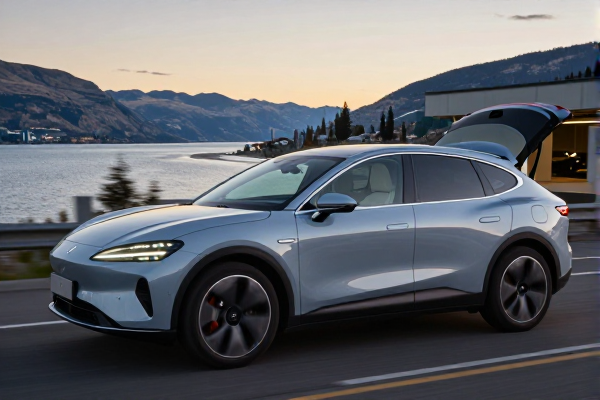
April 17, 2025 – Chinese smart electric vehicle manufacturers are facing a mounting crisis as a global shortage of key electronic components collides with soaring raw material prices, threatening to erode their competitive advantage in vehicle intelligence. Industry analysts warn the supply squeeze could persist for more than a year, delaying mass production of autonomous and connected features that have become the main selling point for Chinese EVs.
The crunch centers on two critical components: printed circuit boards (PCBs) and multilayer ceramic capacitors (MLCCs). These small but essential parts enable everything from advanced driver-assistance systems to in-car infotainment and over-the-air updates. According to supply chain officials, the global auto industry now faces a 20 to 30 percent shortfall of these components, with prices more than tripling over the past 12 months.
AI Boom Diverts Capacity
The root cause is the explosive growth of artificial intelligence infrastructure. AI data centers, which require massive numbers of PCBs and MLCCs for servers and networking equipment, have been rapidly consuming global production capacity. This leaves automakers, especially those in China racing to pack intelligence into every new model, scrambling for limited supply.
Chen Jinzhu, CEO of Shanghai Mingliang Auto Service, noted that the component shortage directly undermines the industry’s push toward autonomy. “These small parts are the backbone of making cars smarter. Even though overall EV demand is cooling, leading players are doubling down on intelligence to differentiate themselves,” he said. “The supply gap is hitting them hardest.”
Memory Chips Add to Cost Pressure
Memory chips remain the biggest cost driver for Chinese automakers, but the shortage of PCBs and MLCCs creates a more immediate production bottleneck. Dai Yong, an executive at Geely Auto, explained that without a steady supply of these components, assembly lines cannot function smoothly. “We can find alternative memory suppliers, but PCBs and MLCCs are standardized and tightly integrated into our designs. When they’re missing, we stop,” he said.
The price surge has forced some Chinese carmakers to negotiate long-term contracts with suppliers at premium rates, further squeezing profit margins. Smaller EV startups, lacking negotiating power, are particularly vulnerable.
Exclusive: China’s Response and Global Ripple Effects
In a move to mitigate the crisis, the China Association of Automobile Manufacturers (CAAM) recently urged local suppliers to accelerate capacity expansion. Several major Chinese automakers, including BYD and NIO, have begun developing in-house PCB and MLCC capabilities, though analysts say it will take at least 18 months to achieve meaningful volumes.
Meanwhile, the shortage is not limited to China. U.S. automakers such as Tesla and General Motors are also facing similar delays, but Chinese companies are more exposed due to their heavy reliance on imported components from Japan, South Korea, and Taiwan. Trade restrictions and geopolitical tensions further complicate efforts to secure alternative sources.
Outlook: A Year of Pain
Industry officials estimate that global production capacity for PCBs and MLCCs will not catch up with demand until at least mid-2026. In the meantime, Chinese smart carmakers will need to diversify their supply chains, invest in domestic production, and adjust product timelines. The race to stay ahead in vehicle intelligence now hinges not just on software innovation, but on hardware availability.
“The