Browse

Log in / Register
 Share


Amidst a torrent of well-meaning but often trivial advice, Americans are asking which personal climate actions genuinely matter. The answer lies not in symbolic gestures but in a data-driven shift towards the largest sources of daily emissions: transport, home energy, and food. With the latest IPCC reports underscoring the urgency of rapid, deep emission cuts, this guide prioritizes practical steps with measurable climate return on investment (ROI). As of May 2024, the conversation is moving beyond reusable straws to systemic shifts individuals can leverage within the U.S. context. The goal is empowerment, not guilt—focusing effort where it counts.
Why "Feel-Good" Actions Often Fall Short
The climate challenge is often framed around minor consumer swaps, which can create a false sense of progress while the heaviest emitters—like transportation and building operations—go unaddressed. True impact requires targeting activities that generate repeated, high-volume emissions. For the average American household, this means scrutinizing weekly driving habits, home energy sources, and dietary patterns. The most effective actions are frequently the most mundane, integrated into routine life rather than one-off purchases.
1. Rethink Your Driving Routine Before Anything Else
For most Americans, transportation is the largest single source of personal carbon emissions. The highest-impact move isn't necessarily selling your car—a step unrealistic for many—but systematically reducing solo trips. The climate ROI comes from building new habits: replacing one regular weekly drive with walking, cycling, public transit, or carpooling can compound into significant annual fuel savings. Exclusive Data Point: A recent study by the U.S. Department of Transportation found that if just 10% of short car trips (under 3 miles) were shifted to active transport, national gasoline consumption would drop by nearly 1 billion gallons annually. The action also reduces local air pollution and household costs. Where infrastructure is lacking, the parallel action is advocating to local officials for safer sidewalks, bike lanes, and reliable transit.
2. Strategize Your Next Vehicle Purchase
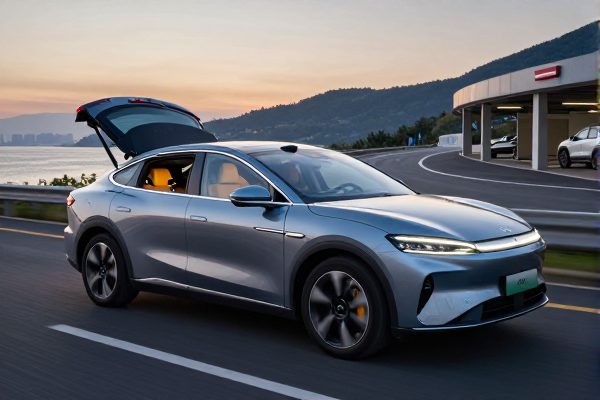
The decision of your next car is a critical climate lever. The priority is electrification. While electric vehicles (EVs) have an manufacturing footprint, their lifetime emissions are typically lower than gasoline cars, especially as the U.S. grid becomes cleaner. The real key is timing: don't junk a functioning car prematurely. The optimal climate strategy is to plan for an EV, plug-in hybrid, or simply a smaller, more efficient model when your current vehicle is truly due for replacement. For some households, the best "next vehicle" might be an e-bike or using a car-sharing service, reducing the need for a second car.
3. Be Selective About Air Travel
Aviation is a per-capita emissions heavyweight. A single cross-country round-trip flight can eclipse the annual emissions from many household energy uses. The practical approach isn't a blanket flight ban but a critical filter: which trips are essential, and which are replaceable? For business, consider combining trips or opting for high-quality virtual participation. For leisure, explore train travel for regional trips or choose fewer, longer vacations over multiple short-haul flights. The systemic barrier is the lack of affordable, fast rail alternatives in many U.S. corridors, highlighting the need for civic pressure for better infrastructure.
4. Source Clean Electricity for Your Home
Electrifying everything—from cars to heating—only benefits the climate if the grid powering them is clean. Homeowners should investigate rooftop solar if feasible, considering federal tax credits and local incentives. Renters and others can explore utility green power programs or community solar projects. Authority Check: The U.S. Energy Information Administration notes that the share of renewables in electricity generation is rising, but fossil fuels still dominate in many regions. Switching to a verified renewable plan in a coal-heavy state has a far greater impact than in a state like Washington with abundant hydropower. Always scrutinize the supplier's credentials to avoid "greenwashing."
5. Electrify Home Heating and Cooling at Replacement Time
Heating, cooling, and water heating are major energy drains. The technology of choice is the heat pump, which is highly efficient because it moves heat rather than generating it through combustion. The strategic move is to research and plan before your furnace or water heater fails. Emergency replacements often lock in another 15-20 years of fossil fuel use. When your system nears end-of-life, get multiple quotes for air-source heat pumps or heat pump water heaters. Savings depend on your local climate, electricity rates, and available rebates from the Inflation Reduction Act.
6. Prioritize Home Weatherization Over Green Gadgets
A well-sealed, insulated home is foundational for energy efficiency. Addressing air leaks, adding insulation, and maintaining HVAC systems often yield more consistent savings than visible "eco" products. For renters, simple measures like weatherstripping windows, using heavy curtains, and smart thermostat management can help. A drafty home wastes energy year-round, making comfort upgrades a win for both the planet and your utility bill. Start with a low-cost energy audit (often subsidized) to identify the biggest leaks.
7. Shift Towards a Plant-Forward Diet
The climate impact of food is substantial, driven largely by methane from ruminants like cattle and land-use change. The most effective dietary shift for most Americans is reducing consumption of beef and lamb. You don't need to go fully vegan; simply incorporating more plant-based proteins like beans, lentils, and tofu into weekly meals makes a difference. Latest Dynamic: Recent life-cycle analyses show that if the average U.S. household replaced half its beef consumption with plant-based alternatives, the dietary carbon footprint could drop by over 25%. This approach is flexible, health-positive, and reduces agricultural pressure.
8. Align Your Finances with Climate Goals
Money fuels systems. Where you bank, invest, and insure can either support fossil fuel expansion or accelerate the clean energy transition. Research whether your bank is a major funder of oil and gas projects. Consider shifting to a credit union or bank with a clear fossil-free policy. Review retirement fund options for ESG (Environmental, Social, Governance) or fossil-fuel-free indices. This systemic action leverages your economic footprint to drive broader market change.
9. Engage in Civic and Workplace Advocacy
Individual choices hit limits without systemic change. Use your voice as a citizen, employee, and community member. Advocate for local clean energy projects, bike infrastructure, and building codes. At work, push for sustainable procurement, electrification of fleet vehicles, or remote work policies to cut commuting emissions. Collective pressure signals to policymakers and corporations that there is a mandate for faster, fairer climate action. This turns personal concern into amplified impact.
The path to meaningful climate action is paved with practical, repeated choices in the domains that dominate your personal emission profile. By focusing on these high-ROI areas—transport, home energy, food, and systemic leverage points—you can move from climate anxiety to tangible contribution, while pushing for the larger societal shifts necessary for a stable future.