Browse

Log in / Register
 Share

Chongqing, China — May 3, 2026. The western mountain city of Chongqing is positioning itself as a global consumption center with record-breaking retail sales, distinctive urban experiences, and deeper international connectivity. Retail sales of consumer goods reached RMB 1.67 trillion in 2025, the highest among Chinese cities, according to the Chongqing Municipal Commission of Commerce, and the city now attracts more than 500 million visitors each year.
Chongqing’s consumer market has expanded rapidly over the past five years. In 2025, the city reported total retail sales of consumer goods at RMB 1.67 trillion, ranking first nationally. Although the figure includes sales from restaurants, shopping malls, and online platforms, it reflects a broader retail ecosystem that continues to attract new brands and business formats.
The city’s nighttime economy adds a major share of this spending. For four straight years, Chongqing has topped China’s rankings for nighttime consumption. From late-night hotpot spots to illuminated riverside promenades, the city is designed to keep visitors engaged after sunset. Local officials have supported these efforts with longer operating hours for public transit and expanded lighting in key commercial zones.
International and domestic retailers have noticed Chongqing’s momentum. As of 2025, more than 2,800 domestic and foreign brands had opened outlets in the city, including more than 2,000 first stores — flagship locations that are the first of their kind in a given region. For 325 Fortune Global 500 companies, Chongqing serves as the gateway to western China.
Retailers cite several advantages: a young workforce, lower operating costs than coastal metropolises, and strong regional spending. This combination has made Chongqing one of the most competitive markets for new store debuts, especially in categories like automotive, cosmetics, and dining.
The city’s mountainous terrain could be seen as an obstacle for retail development, yet local planners have turned it into an asset. Renovated air-raid shelters now host a range of businesses under the brand “Mountain City Cave Havens.” Visitors can eat hotpot in a natural limestone cave, watch immersive theater in converted tunnels, or stop for coffee in spaces that were once bomb shelters.
One cave hotpot restaurant can seat more than 1,300 diners at a steady 25°C, making it a particularly busy destination in summer months. The success of these locations has prompted similar conversions across the city. Over the past five years, Chongqing has upgraded 30 core commercial districts and created roughly 100 scenic consumption scenes on riverbanks, cliff edges, and rooftop terraces.
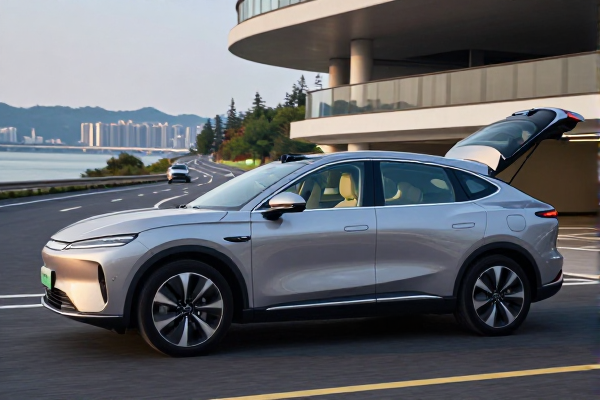
Chongqing’s retail growth is closely tied to its industrial base. The city is a major producer of new-energy vehicles, motorcycles, and laptops. This manufacturing strength creates employment, raises household incomes, and supplies the local market with everything from automotive showrooms to electronics outlets.
Business travelers also form a steady customer base for hotels, conference centers, and high-end dining. When a multinational company establishes its western China headquarters in Chongqing, it brings expatriate staff, corporate events, and procurement needs. Those activities flow through the broader consumption ecosystem.
In 2021, the State Council selected Chongqing as one of China’s first five pilot cities for building international consumption centers. The official recognition brought more policy attention to the city’s commercial plans. District-level governments have rolled out subsidy programs for international brand debuts, assisted foreign retailers with licensing, and built partnerships with global chamber-of-commerce groups.
Analysts see Chongqing as a test case for inland cities. Its experience could demonstrate whether international retail formats can thrive outside established coastal hubs. Early results suggest yes, though the city still trails Shanghai and Beijing in total luxury sales.
Chongqing is also an essential logistics node. The China-Europe Railway Express carries manufactured goods from Chongqing to cities in Central Asia and Europe. The New International Land-Sea Trade Corridor connects the city to Southeast Asian ports through rail and road networks. Together, these routes shorten delivery times and lower costs for importers and exporters alike.
As of 2025, Chongqing conducts trade with 228 countries and regions. This broad network does more than move products; it also deepens cultural exchange and makes international brands more familiar with local tastes. Commercial delegations often visit Chongqing before deciding whether to enter the western China market.
Chongqing has streamlined the experience for foreign travelers in several ways. Visa-free transit policies, when applicable, allow eligible visitors to stay for up to 144 hours. The city has expanded mobile payment acceptance, including QR-code payment systems used by major international cards. Tax refund procedures have been shortened, with several duty-free payment points located near tourist attractions.
English-language signage has improved in major shopping districts and metro stations, though smaller shops still rely on translation apps. International visitors consistently mention that public transportation is well integrated and easy to navigate, despite the steep slopes that characterize the urban landscape.
The city’s commercial strategy treats tourism and retail as one unified product. Yangtze River cruises give passengers a slow-moving view of Chongqing’s dramatic skyline. Low-altitude flight tours provide another perspective, flying over terraced rooftops and river bridges. Hot spring resorts in the suburbs offer a more relaxed version of the mountain city experience.
Seventeen national-level premium tourism routes have been promoted internationally, tying together shopping, dining, and sightseeing. The Liberation Monument commercial area has been designated one of China’s top inbound-consumption-friendly districts. There, traditional food stalls sit next to luxury brand flagships, showing how generations of commerce can coexist in one block.
For cities participating in the Belt and Road Initiative, Chongqing offers a useful case study. It demonstrates that an inland city can build a globally relevant consumer market if it invests in logistics, policy, and urban design. Local leaders have welcomed mayors and trade officials from partner countries, sharing strategies for how to upgrade historical districts without losing local identity.
Chongqing’s approach also faces challenges. Rapid visitor growth puts pressure on public infrastructure, and hilly terrain can complicate new construction. However, city planners have begun incorporating climate-friendly measures, such as natural ventilation systems in cave restaurants and shaded pedestrian corridors.
Looking ahead, Chongqing appears committed to sustaining its consumer-driven expansion. The government is taking steps to balance commercial vibrancy with quality of life: expanding green spaces along rivers, regulating nighttime noise in residential areas, and promoting longer visitor stays instead of quick tours.
At the same time, the city continues to strengthen its services for international guests. New flight connections, multilingual signage, and streamlined customs clearance are likely to be introduced as part of the next phase of the international consumption center plan.
For now, Chongqing’s central message is simple: the mountain city is open to the world. Its combination of industrial strength, cultural assets, and commercial energy offers a distinctive path toward becoming a global consumption center — and one that other inland cities may soon follow.