Browse

Log in / Register
 Share
Share

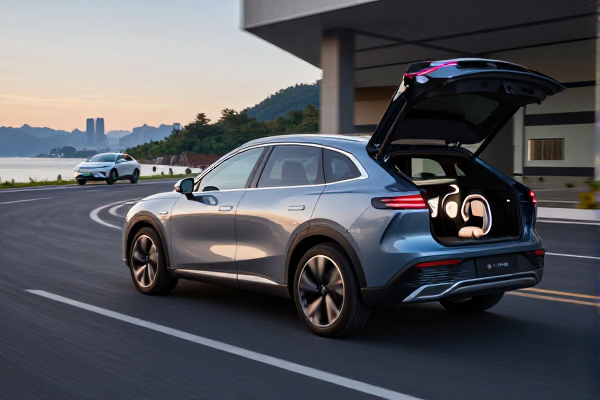
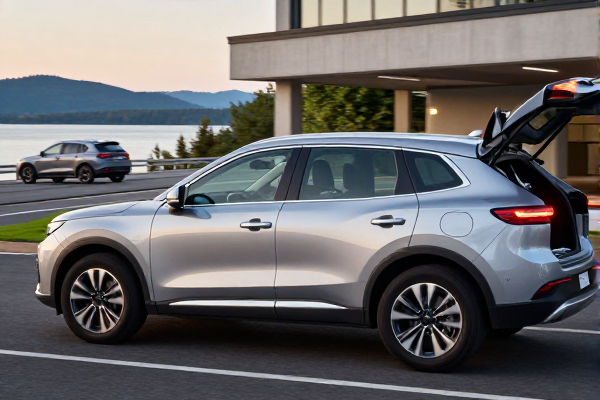
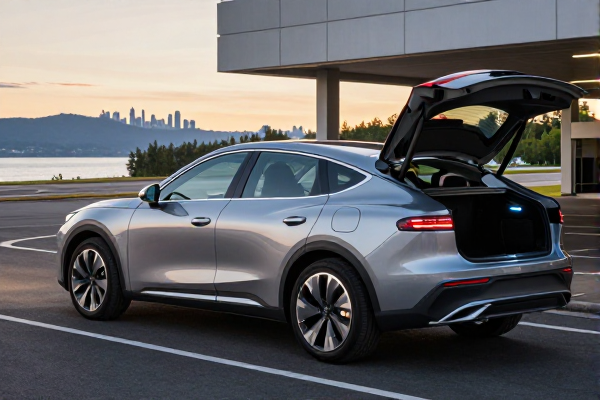
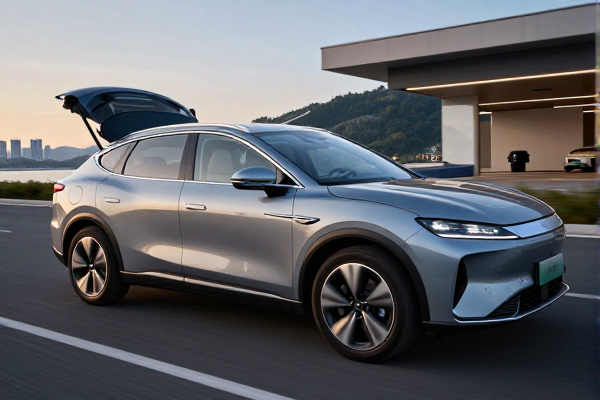
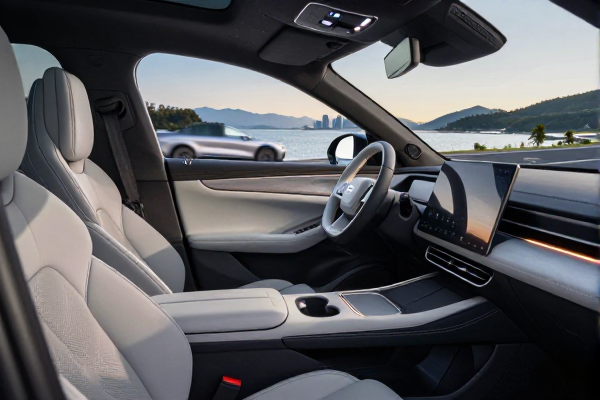
Montreal, October 27, 2023 – The race to capture Canada's growing electric vehicle market is intensifying, with Chinese automaker Dongfeng Motor Corporation taking a significant step forward. At a high-profile event in Montreal, the company unveiled six electric models slated for the Canadian market, led by the Vigo mini-SUV and Nammi Box 01, both targeting a price point under $35,000. This move signals a coordinated push by several Chinese manufacturers to establish a foothold in North America through Canada, leveraging affordability and evolving trade policies.
Dongfeng’s strategy appears carefully staged. The Montreal cocktail event, attracting hundreds, served as a soft launch aimed at generating public buzz and gathering direct feedback from potential Canadian customers. “Introducing these models is about starting a conversation with Canadians,” explained Julie Mazorra Fernandez, Director of North World Industry, the planned distributor for Dongfeng in Canada. This phased approach prioritizes brand awareness and market research before a full sales rollout, expected next year.
The company’s confidence stems from its global footprint. As one of China's largest state-owned automakers, Dongfeng boasts over six decades of manufacturing experience and a presence in more than 100 countries. Fabio Moretti, President of North World Industry, points to its European success: “The growth is rapid because the quality and price resonate. Once people test drive, they’re often impressed.” Beyond sales, Dongfeng is exploring deeper roots, including potential manufacturing partnerships or assembly in Quebec—a province eager to host an automaker and already leading in Canadian EV adoption.
Canada’s EV landscape is ripe for new entrants. Recent data shows a sustained sales surge, fueled in part by revived federal purchase incentives. However, the entry of Chinese EVs is not without complexity. A pivotal trade agreement reached earlier this year between Ottawa and Beijing reduced a prohibitive 100% tariff on Chinese EVs to 6.1%, paving the way for an initial quota of 49,000 vehicles. This policy shift directly enabled the recent arrival of the first China-built, China-owned EVs, such as the Lotus Eletre (under Geely), on Canadian soil.
Following closely behind Dongfeng are other Chinese giants. BYD, the world’s leading EV seller, has obtained critical “Appendix G approval,” allowing it to import vehicles meeting Canadian safety standards after rigorous local testing. Chery is also poised to enter. This collective movement suggests a strategic view of Canada as a testing ground and gateway to the broader North American market.
A major point of discussion surrounding these vehicles extends beyond price and range: data security. Intelligence experts have repeatedly flagged potential risks, comparing modern connected vehicles to “smartphones on wheels” capable of collecting vast amounts of sensitive information. In response, companies like Dongfeng emphasize compliance with strict regulations, noting their vehicles already meet stringent data privacy laws in markets like Spain. For some early adopters, like Montreal residents who imported a BYD from Mexico, the privacy debate is secondary to the product experience. “We’ve crossed the Rubicon on data privacy in our connected lives,” one owner remarked, highlighting a consumer acceptance divide.
The affordability mandate from Ottawa adds another layer. The federal government aims for half of all imported Chinese EVs to be priced under $35,000 by 2030. Early import statistics reveal a challenge: of the thousands of China-made EVs that have arrived, only a portion currently meet that target price at the point of export, not including shipping and duties. This gap underscores the competitive pressure on brands like Dongfeng to deliver truly low-cost options.
The final battleground will be the consumer. Early anecdotes suggest curiosity, if not immediate acceptance. Canadian drivers noticing foreign-plated Chinese EVs express intrigue, indicating a market open to new brands. The success of this Chinese incursion will ultimately depend on a trifecta: delivering promised value and quality, navigating geopolitical and data privacy sensitivities, and competing in a market where established players are also accelerating their electric plans. The VIP cocktails and preview events are just the opening maneuvers in a much longer campaign for the Canadian driveway.