Browse

Log in / Register
 Share


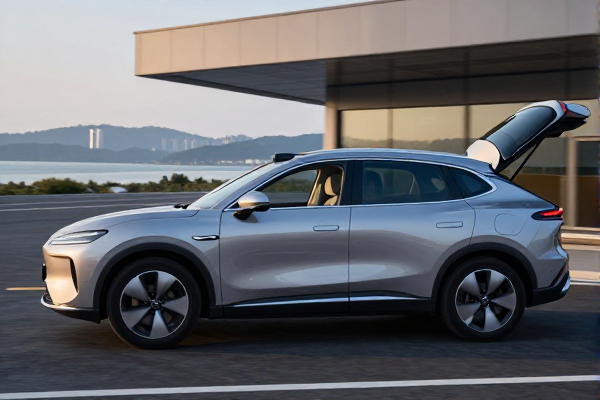
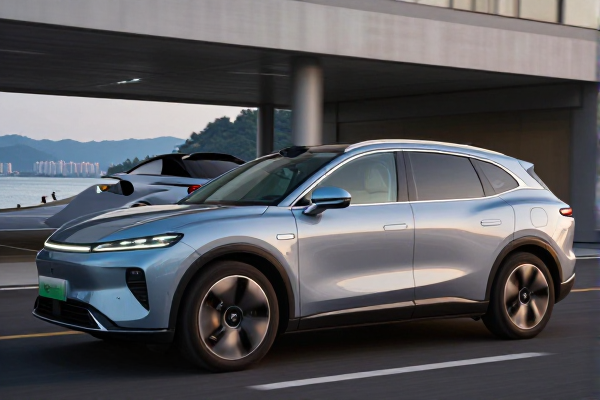
October 26, 2023 — A new wave of electric vehicles from China is poised to challenge the American automotive landscape, navigating a complex web of 100% tariffs that currently block their direct entry. While conventional wisdom suggests these punitive duties are an insurmountable wall, industry analysts and shifting global trade dynamics indicate that Chinese manufacturers are actively developing sophisticated strategies to gain a foothold in the lucrative US market, potentially reshaping competition sooner than many domestic automakers anticipate.
The primary barrier remains the tariff regime implemented during the previous administration and largely upheld under President Biden, which levies a 100% charge on imported Chinese EVs. This policy was designed to protect the nascent US electric vehicle industry and address broader trade imbalances. However, this protectionist measure may only provide a temporary respite. The rapid evolution of China's EV sector, marked by significant advancements in battery technology, software integration, and cost-efficient manufacturing, has created products with compelling global appeal that demand attention from consumers and competitors alike.
One plausible, though politically sensitive, pathway involves the revival of the joint-venture model that historically opened the Chinese market to Western automakers. Facing immense pressure to electrify their lineups, several legacy US automakers are struggling with profitability on their current EV models. A strategic partnership with a Chinese OEM could provide immediate access to advanced, cost-competitive EV platforms and battery systems, accelerating their own electrification timelines. For the Chinese partner, such a deal offers a backdoor into the US market, leveraging an established brand's dealership network and consumer trust to circumvent the direct tariff impact.
Beyond partnerships, the geopolitical and economic context surrounding these tariffs is not static. Ongoing trade negotiations and the potential for shifts in political leadership could lead to a reevaluation of the current tariff structure. Some trade policy experts suggest that focused tariffs on specific technology components, rather than on finished vehicles, could emerge as a compromise. This would allow Chinese battery and software expertise to filter into the US supply chain while still providing a measure of protection for final vehicle assembly jobs—a key political concern in Washington.
Exclusive industry data points to a critical factor often overlooked: the inventory and pricing strategy of Chinese automakers in other global markets. Companies like BYD and NIO are aggressively building brand recognition and manufacturing capacity in Europe, Southeast Asia, and Latin America. This global scale provides them with a formidable cost advantage and operational resilience. If they achieve dominant positions in other major regions, they could potentially absorb the cost of US tariffs for a strategic period, using the US as a loss-leader market to establish brand presence and put long-term pressure on American rivals, a tactic seen in other technology sectors.
The response from the Detroit automakers has been multifaceted, combining lobbying for maintained protections with frantic internal efforts to lower their own EV production costs. The United Auto Workers union, a powerful political force, remains vehemently opposed to any easing of tariffs, framing the issue as fundamental to preserving American manufacturing jobs. This sets the stage for a major policy clash between the imperative for affordable consumer choice in the green transition and the goal of securing domestic industrial leadership.
Ultimately, the question is not if but how and when competitively priced Chinese EVs will become a reality on American roads. The 100% tariff is a significant speed bump, but not a permanent roadblock. The convergence of technological hunger from US automakers, potential political realignments, and the relentless global expansion strategy of China's EV champions suggests that the American market's isolation from this segment of the global auto industry is likely to be temporary. The coming years will test the adaptability of both US trade policy and the domestic automotive industry's ability to innovate at the pace set by overseas competitors.