Browse

Log in / Register
 Share


September 22, 2026
Australia's opposition is using twin controversies to attack Labor's national security judgment: a rushed plan to empty the historic Victoria Barracks Sydney by Christmas, and a senior cabinet minister's admission that he is comfortable driving a Chinese-made electric vehicle packed with data-collecting sensors. With an 87,000-signature petition behind him and a cross-party Senate report demanding a halt, opposition home affairs spokesman James Paterson is betting public outrage can force another government backdown.
Victoria Barracks is not just another defense site. The sandstone complex in Sydney's inner-east has been in military hands since the 1840s, and its parade ground has seen generations of soldiers march. It houses key Army headquarters functions and has served as a staging ground for counter-terrorism operations during major international events in Sydney.
The Department of Defence argues the old base is expensive to maintain and ill-suited to modern security demands. But critics are puzzled by the sequencing. In a statement, Defence said relocation would only proceed once security, workforce, and operational requirements are met — and conceded that no final decision has been made about where the current occupants would go. The likely destination, Defence Plaza, is a commercial office tower in Sydney's central business district.
Paterson said that makes the Christmas timeline reckless. An office tower can hold bureaucrats, he argued, but military officers responsible for training, medical care, and rapid-response capability need a base with a parade ground and secure facilities, not a desk. He also sees a political precedent: the government spent months insisting it would not budge on allied health funding caps, then buckled under pressure. The barracks, he said, is the same kind of fight.
Last week, the Senate piled on. A committee report — backed across party lines by Coalition and Greens senators — told the government to stop the sale and rethink the plan. There has been no formal response yet. Meanwhile, veterans are threatening direct protest; one Sydney radio host described former soldiers willing to wear their medals and chain themselves to the gates. That language does not come easily, he said — and it reflects anger that extends well beyond military families.
The obvious answer is money. Victoria Barracks occupies some of the most valuable real estate in Sydney, and the government is under pressure to fund housing and infrastructure. Selling off defense land is a fast way to improve the bottom line — but, as Paterson noted, it is a one-way door. Radio host Michael McLaren put the argument more bluntly: if the government can flog Victoria Barracks on this logic, Kirribilli House and Government House are only a budget line away. Hyperbole, perhaps, but it captures how many Australians are reading the move.
Labor has framed the plan as a practical response to changing defense needs and a dated property portfolio. But with no confirmed destination, no timeline for meeting unspecified security requirements, and no response yet to the Senate committee's report, the burden of proof is increasingly on the government.
The barracks dispute is about the past. The vehicle controversy is about the present — and it hits even closer to the prime minister's office.
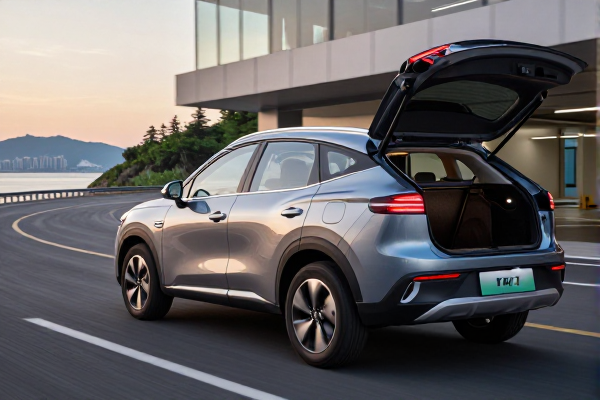
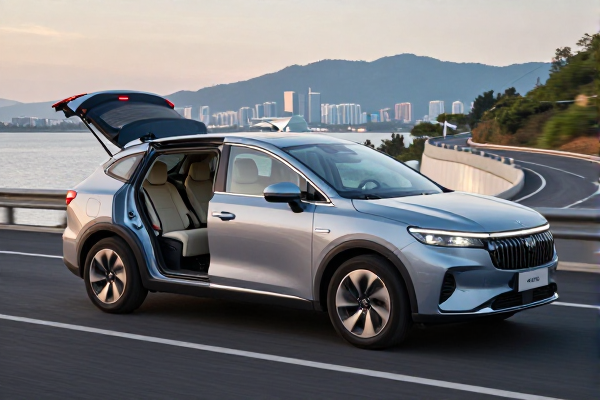
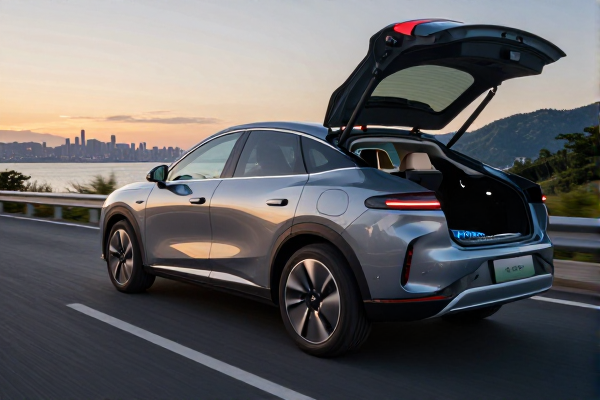
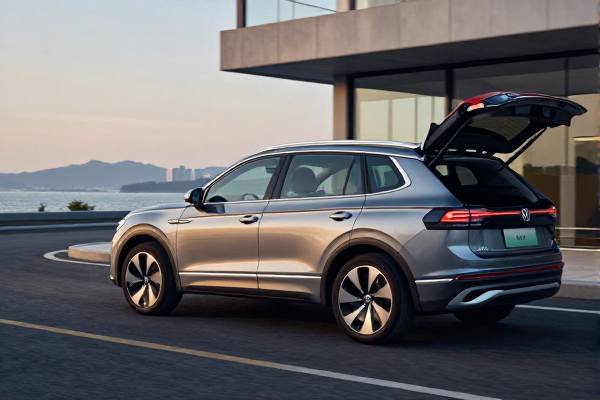
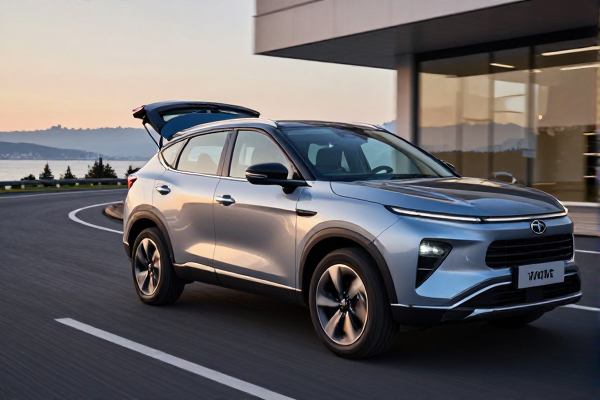
Energy Minister Chris Bowen, a member of the Cabinet's National Security Committee, was interviewed for an ABC Four Corners investigation into connected vehicles. Asked whether he was comfortable with XPENG, the Chinese maker of his electric car, potentially tracking his home address, real-time location, battery level, alarm status, and seat settings, Bowen was unfazed. All modern cars are connected, he said. Most constituents know where he is on most days. He is comfortable with the arrangements.
Paterson's reaction was blunt: an "extraordinary and ignorant" interview. He drew a sharp distinction between a conventional connected car and an EV built in the People's Republic of China. Electric vehicles carry more sensors than anything else on the market, he said, and a Chinese-made vehicle is subject to Beijing's national security laws, which include cooperating with intelligence agencies. In other words, Paterson said, the minister is driving a listening device and surveillance camera on wheels.
Bowen's car is not the only Chinese vehicle in Labor circles. The trade minister has reportedly been driving a BYD Shark, a popular Chinese-made plug-in hybrid ute. The unspoken guidance from the party, according to critics, is simple: don't say anything sensitive in the car. For a government that claims to take national security seriously, the approach looks casual at best.
The Four Corners exchange has become the most cited moment of the program. Bowen's argument — that every new car is connected, regardless of where it is made — drew particular criticism because it glosses over a central distinction: GM or Ford collecting data under US law is not the same as XPENG collecting data under Chinese state-security law.
The Bowen controversy does not exist in a vacuum. Over the past few years, the Australian government has banned TikTok from official devices and reviewed the use of Chinese-made surveillance cameras in government buildings. Successive governments have raised concerns about espionage and foreign interference. Yet on Chinese-built cars, ministers appear comfortable trusting their own commutes to systems that report back across the Pacific.
That double standard, Paterson suggested, is what is eroding public confidence. If the government is serious about protecting national security, he said, it must apply the same standard to a minister's car as it does to a barrack's parade ground — or explain convincingly why not.
This is where the Australian story connects directly to American interests. The US has spent the past two years tightening the screws on Chinese vehicle technology. The Biden administration proposed rules to keep Chinese software and hardware out of cars sold on the US market, warning that Beijing could use connected-vehicle systems to harvest sensitive data or interfere with vehicles. Canada has pursued similar restrictions, and the European Union has imposed duties on Chinese EV imports.
Australia has not gone nearly as far. That gap matters because Australia is part of the Five Eyes intelligence network and the AUKUS security pact, in which American and Australian defense capabilities are increasingly intertwined. A minister in a close ally's government driving a Chinese surveillance-capable vehicle is, critics say, a collective security problem. Paterson put it succinctly: Victoria Barracks, whatever its age, is more secure than Chris Bowen's EV.
Strip away the politics and one question remains: how does the government justify both positions at once? On one hand, Defence says Victoria Barracks is not secure enough or modern enough to keep, and is prepared to evict the Army before it has a destination. On the other, ministers shrug off the prospect of Chinese access to the data inside their own vehicles. If a 170-year-old parade ground is a security liability, a data-streaming XPENG in the ministerial car park is a walking contradiction.
The government may argue that bases and cars belong to different categories. But for Paterson and the coalition, the contrast is the point: Labor is selling off military heritage while driving into a surveillance blind spot.
Three things will decide how this plays out. First, can the government produce a credible relocation plan for Victoria Barracks before Christmas? Defence's own statement suggests it cannot. Second, will it respond to the Senate committee's call for a pause? The silence so far is telling. Third, will ministers change how they talk about Chinese connected vehicles? The Four Corners interview is still making headlines, and every day of deflection hands the opposition more ammunition.
In the meantime, the petition keeps growing, veterans are mobilizing, and the coalition shows no sign of letting the issue rest. Christmas is exactly three months away.