Browse

Log in / Register
 Share
Share
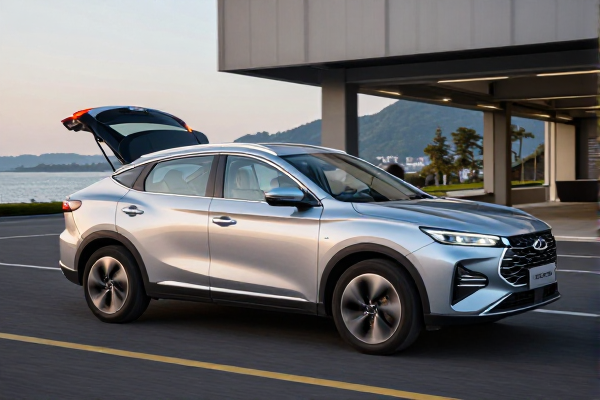
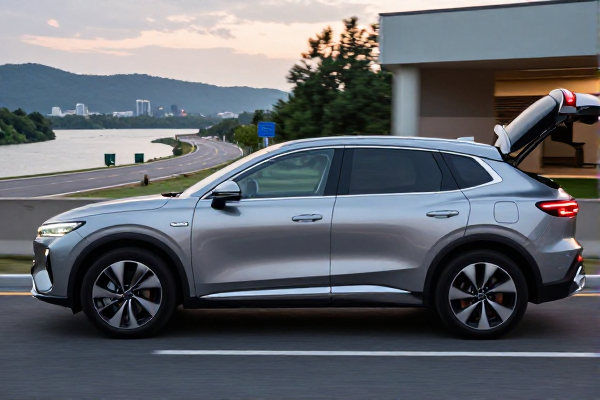
May 9, 2026 — Chery has taken the wraps off its own certified used-car program in Britain, a clear attempt to remove some of the anxiety that still clings to the idea of buying a second-hand Chinese SUV. Chery Approved Used, as the scheme is called, is live now at the brand’s 100 UK dealerships, with 110 examples already approved at launch.
The program works like most factory-approved used-car plans. Every car must come with a complete service history from a Chery workshop, stay within set limits on age, mileage and overall condition, and clear a comprehensive inspection before any reconditioning begins. Once approved, buyers get at least two years of warranty coverage. But Chery is doing something slightly unusual: every new car already carries a seven-year warranty, and that extended cover follows the vehicle, not the first owner. If there is still time left on the seven-year term, that remaining cover travels with the used car on top of the two-year approved warranty.
Hybrid models, meanwhile, get a battery health certificate. Chery says the certificate will guarantee at least a 90 percent State of Health, which means the battery’s current capacity should be no lower than nine-tenths of its original usable capacity. For buyers who worry about battery degradation, a concrete number like that is more useful than a vague promise. Chery is also including a £350 insurance excess contribution — the UK term for a deductible — as an extra sweetener.
Farrell Hsu, managing director of Chery UK, called the launch “the natural next step” for the brand. “The very high standards we set offer customers the confidence and reassurance they need, and provide our retailers with a strong platform for building long-term customer satisfaction and loyalty,” he said.
The confidence point matters. Chery is not a well-known name in the UK, not yet anyway. The company only arrived on British soil in the summer of 2024 with the Tiggo 7. Since then, it has spread quickly, adding the Tiggo 4, a compact SUV that takes direct aim at the Ford Puma, plus the larger Tiggo 8 and Tiggo 9. The pace of growth has been solid. By the end of 2025, Chery had registered more than 39,000 cars in the UK and carved out a market share close to 2 percent. That puts it ahead of Dacia, Fiat, Citroën and Cupra in the UK sales race.
Some observers might raise an eyebrow at those numbers for a brand that barely existed in the UK a year earlier. Yet the bigger surprise has been Jaecoo, the sister brand that shares much of Chery’s engineering. The Jaecoo 7 — nicknamed the “Temu Range Rover” by online car fans — was the UK’s best-selling new car in September 2025, an extraordinary result for an unfamiliar Chinese marque. With a 3.4 percent share of the market, Jaecoo is now sitting close to Nissan and fellow Chinese carmaker BYD.
That level of sales momentum makes used-car attention worthwhile. Around 6.5 million used cars were sold in the UK in 2024, according to the SMMT, more than three times the number of new cars. For any manufacturer, capturing a slice of that aftersales business is key to long-term profitability. But for Chinese brands, it is not just about profit. How a used car is valued, and how confident a second-hand buyer feels, heavily influences the resale price of the same model when it is new.
Chery’s approved-used scheme also moves in lockstep with Jaecoo’s own certified program, which has been running since January 2025. That earlier scheme gives eligible Jaecoo and Omoda models the same two-year warranty, a battery health certificate for hybrid and electric vehicles, plus two years of complimentary servicing and 12 months of roadside assistance. Chery’s version sits alongside it, sharing the same dealer infrastructure and warranty structure.
What this means for buyers is straightforward. Anyone looking at a used Tiggo now has a warranty-backed route beyond the typical used-car forecourt. The service-history requirement is deliberately strict, which should push up the quality of stock on dealer lots and, over time, protect the brand’s residual values.
The battle for trust is the real issue. European buyers have been slower than the Chinese domestic market to accept cars from brands like Chery, despite the obvious value on offer. A manufacturer-approved used scheme is one of the most direct ways to signal permanence, because it requires an investment in dealer training, parts, inspection equipment and after-sales support. You do not build that sort of infrastructure for a brand you plan to abandon.
There are also signs that the program could be part of a bigger global play. Chery has not announced a US entry, and the current political and trade environment makes any near-term American launch speculative. But the structure now visible in Britain — a national network, an expanding SUV lineup, and a certified used-car division — is exactly the kind of groundwork that global-minded automakers lay before crossing the Atlantic. If Chery ever does land in the US, the playbook will probably start with new cars in the driveway, then follow with a certified pre-owned push just like this one.
For now, the practical takeaway is simpler. Chery’s Approved Used scheme gives British buyers a safer way into a Chinese-brand SUV, with warranty cover that can extend well beyond the usual two-year assurance and a battery health certificate that makes hybrid shopping less of a leap of faith. That combination should help the brand hold its value as its newer models age into the used market — and gives rivals a clear signal that Chery intends to be around for the long haul.