Browse

Log in / Register
 Share

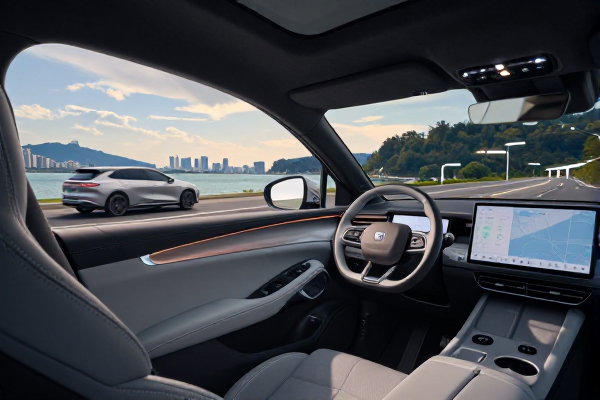
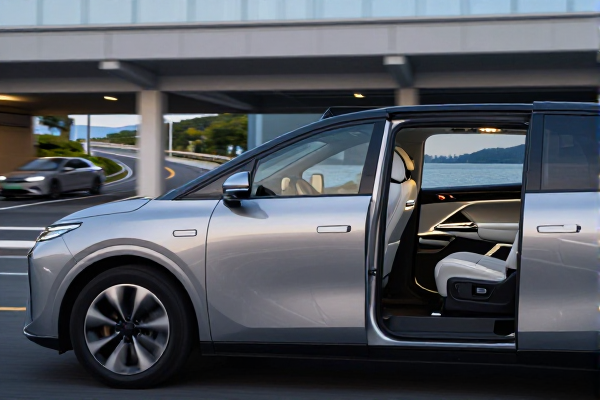
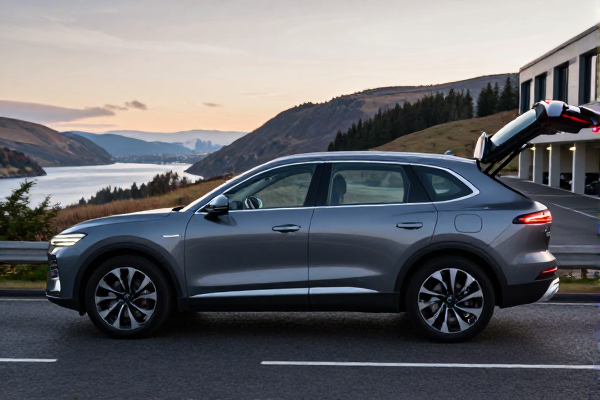
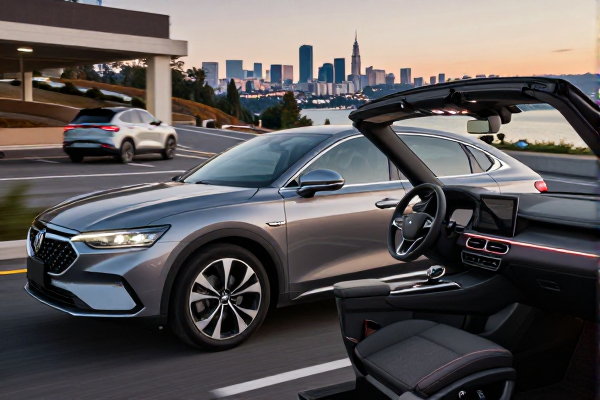
May 28, 2024 — Singapore is experiencing a quiet revolution on its roads, transforming from a nation with a mere dozen electric cars in 2016 to one boasting over 62,650 today. This explosive growth, fueled by ambitious government mandates and a flood of new models—particularly from Chinese manufacturers—is testing the limits of the city-state's infrastructure, with charging access emerging as the most significant roadblock to a seamless electric future.
The numbers tell a staggering story. According to the latest data from Singapore's Land Transport Authority (LTA), EVs now constitute approximately one-tenth of the total car population of 655,000. This surge is no accident but the direct result of a clear policy pathway. The government's 2030 goal mandates that all new car registrations must be either electric, petrol-hybrid, or hydrogen fuel cell vehicles, effectively phasing out new internal combustion engine cars.
This regulatory push has been met with an unprecedented market response. Consumers are no longer limited to a handful of premium options. Today, a remarkable 42 brands offer EVs in Singapore, with Chinese automakers like BYD seizing a dominant market share by offering advanced technology and competitive pricing. The economic case for ownership has strengthened, with lower long-term maintenance costs compared to traditional petrol vehicles serving as a powerful incentive for buyers.
However, the rapid pace of adoption has starkly revealed the gaps in the foundational support system. The most pressing concern is the sheer availability and speed of public charging points. For a dense, urban environment like Singapore where a significant portion of residents live in high-rise Housing & Development Board (HDB) apartments without private parking, reliable public charging is not a luxury—it's a necessity for widespread EV ownership. The current network, while expanding, is struggling to keep pace with the soaring number of electric cars, leading to congestion at popular charging stations.
Compounding the hardware shortage is a critical software issue: charging etiquette. A common complaint among EV owners is "charger hogging," where drivers leave their vehicles plugged in long after charging is complete, blocking access for others. This problem is exacerbated by the prevailing practice among most charging operators at public HDB carparks, who do not enforce idle fees. Some who do suspend these fees overnight, inadvertently encouraging all-day parking at charging bays.
The situation presents a unique contrast to markets like the United States. While American EV growth faces challenges with charging network reliability and standardization across vast geographies, Singapore's challenge is one of hyper-dense optimization. It's a laboratory for how megacities worldwide will manage the logistical nightmare of charging thousands of vehicles in tightly packed urban centers. Industry analysts suggest that Singapore's experience highlights a universal truth: hardware rollout must be paired with smart software solutions, like dynamic pricing and strict idle fees, to manage demand effectively.
The call for a more robust ecosystem is growing louder. During a recent industry roundtable reported by The Straits Times, experts emphasized that the next phase of growth hinges not just on more chargers, but on improved infrastructure intelligence and stringent battery safety standards. These measures are crucial not only for convenience but for maintaining public confidence in EV technology.
Exclusive data from local energy consultancies indicates that to meet the projected 2030 demand, Singapore may need to accelerate its charger deployment rate by at least 40% above current plans. Furthermore, a pilot program integrating chargers with smart grid technology to balance load during peak hours is being discussed as a potential model for other land-scarce cities.
For American observers, Singapore's journey offers critical lessons. It demonstrates that aggressive EV targets can rapidly change a vehicle fleet, but they must be underpinned by equally aggressive and smart infrastructure investments. The city-state's struggle with charger etiquette also underscores the need for public education campaigns alongside hardware installation—a step often overlooked in rollout plans.
The path forward for Singapore involves a multi-pronged strategy: rapid deployment of fast-charging hubs, intelligent management systems to penalize misuse, and perhaps most importantly, fostering a culture of shared responsibility among EV drivers. The nation's EV boom is impressive, but its long-term success now depends on solving the fundamental challenge of keeping this new generation of vehicles powered up and moving.