Browse

Log in / Register
 Share

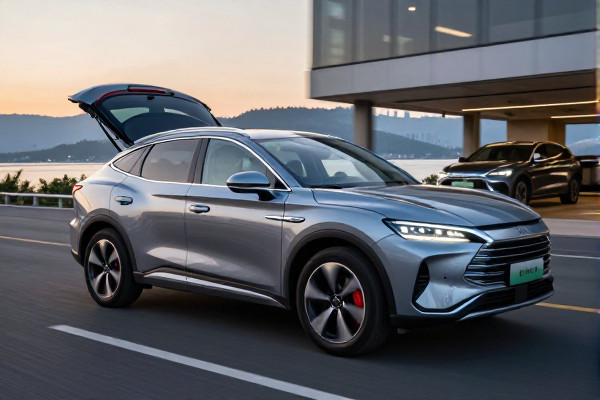
As of September 9, 2026, shoppers weighing certified pre-owned (CPO) vehicles against standard used models often find the decision confusing. In a new HelloNation article, automotive expert John Pomponio from Acura of Westchester clarifies the key differences, from inspection rigor to warranty terms and long-term value. With CPO inventory tightening and warranty packages evolving, understanding these distinctions is more critical than ever.
The foundation of the CPO vs. used debate lies in the inspection process. A certified pre-owned vehicle begins as a regular used car but undergoes a multi-point inspection often covering more than 100 mechanical and cosmetic points. Technicians check everything from brakes and tires to electronics and paint. If any component falls below the manufacturer's standards, the car is either repaired or rejected from the program. Pomponio explains that this thorough review drives up the price—typically thousands of dollars higher than a comparable non-certified model—but buyers are paying for peace of mind that a professional has already vetted hard-to-spot issues.
Warranty coverage represents another major dividing line. Most CPO vehicles come with an extended warranty beyond the original factory coverage, protecting major systems like the engine, transmission, and electrical components for a set number of years or miles (commonly 5–7 years or up to 100,000 miles). On the other hand, a standard used vehicle may still retain some original manufacturer warranty if it’s relatively new, but that protection eventually expires. Once it does, the owner bears the full cost of repairs unless they purchase a separate third-party plan. Pomponio notes that buyers should carefully compare the coverage exclusions—CPO warranties often require deductible payments and may not cover wear items like tires or brake pads.
Price remains the most visible factor for shoppers. Certified pre-owned vehicles command a premium that can range from 5% to 15% above a similar non-certified used model. However, Pomponio emphasizes that the total cost of ownership—not just the purchase price—should guide the decision. For first-time luxury buyers, the added assurance of CPO can make stepping into a premium brand less intimidating. “Knowing that a trained technician has already double-checked the vehicle's condition removes a lot of uncertainty,” he says in the article. Experienced car owners who are confident in their own inspection skills may feel comfortable skipping certification, especially if they can negotiate a lower price on a used model with a clean history report.
Financing terms also vary. Some lenders offer slightly lower interest rates on CPO vehicles, treating them as lower-risk collateral due to the manufacturer-backed certification. On standard used cars, rates may be higher, making the monthly payment less attractive even if the purchase price is lower. Pomponio advises comparing financing offers for both options side by side, factoring in the total interest paid over the loan term.
Resale value is another factor often overlooked. A CPO vehicle tends to hold its value marginally better than a standard used car, because future buyers recognize the documentation of inspection and warranty history. But this isn’t guaranteed; market demand, brand reputation, and mileage all play roles. For shoppers planning to keep the car for only three to five years, the resale premium can offset some of the initial CPO cost.
Current market conditions add a twist. With new vehicle inventory still recovering from supply chain disruptions, CPO programs have seen increased demand, leading to tighter supply and steeper prices in some segments. According to recent industry data from J.D. Power, CPO sales in the first half of 2026 rose 8% year-over-year, while standard used car sales dipped slightly. This means certified vehicles are becoming less of a “dealer upsell” and more a necessity for buyers seeking reliable inventory with limited availability.
The article also highlights the importance of vehicle history reports. While CPO programs require a clean title and detailed history, a standard used car obligates the buyer to request and review the report independently. Hidden accidents, flood damage, or odometer tampering are risks that a DIY inspection may not catch. Pomponio recommends using services like Carfax or AutoCheck and, if possible, paying for a pre-purchase inspection from an independent mechanic even on a CPO vehicle—just to be thorough.
Ultimately, the choice between certified pre-owned and standard used hinges on budget, driving habits, and long-term plans. A commuter who drives high miles each year may prioritize a longer warranty, making CPO a smarter play. A budget-conscious buyer with mechanical know-how may find better value in a well-maintained used model. As Pomponio concludes, the best approach is to compare specific vehicles, warranty terms, and total costs—not just the sticker price.
For those ready to dive deeper, the full article “Certified Pre-Owned vs Used: Expert John Pomponio Breaks Down Options” is available on HelloNation, America's Good News Network. The platform continues to deliver expert-driven insights that help real people make confident decisions in everyday matters.