Browse

Log in / Register
 Share

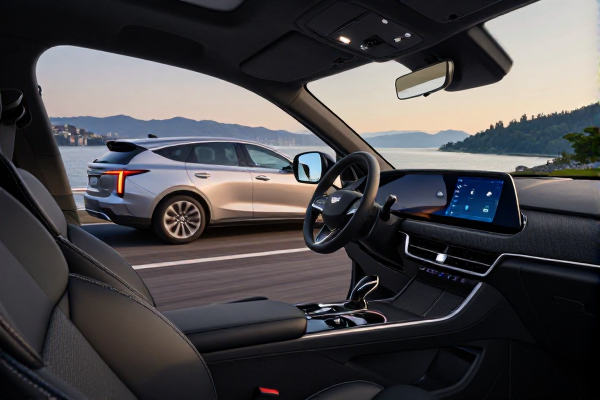
May 10, 2026 — Atlanta pastor Mark Moore spent two years making payments on a used Mercedes-Benz he bought from Central Cadillac in Cleveland. Then one morning, the car was gone. Mercedes-Benz Financial Services repossessed it because the vehicle was still titled to the previous owner, who owed $106,000. Moore’s payments were current. His insurance was valid. He had done nothing wrong. Now he wants Central Cadillac to refund the entire $88,931.87 transaction and clear the remaining loan balance.
Moore bought the vehicle two years ago after flying from Atlanta to Cleveland. He put $30,000 down and financed the rest. He picked Central Cadillac because it appeared to be a reputable, established dealership. He did everything a careful buyer is supposed to do: he checked the vehicle, signed the paperwork, made payments on time, and never let the insurance lapse.
Then the lender took the car back.
The problem was never with Moore. The problem was the title itself. According to Mercedes-Benz’s captive finance company, the car had never been legally transferred to Moore. The title still carried the name of the original buyer, and that buyer’s loan was in default. Central Cadillac had sold Moore a vehicle with a fraudulent title.
That fraud has a name: title washing.
Title washing happens when bad actors exploit differences between state titling rules. A fraudster obtains a clean-looking title from a state with loose procedures, sells the car for cash, and walks away. The original loan, often opened with stolen identity information, is left behind. The paper trail catches up months or years later. By then, the borrower in possession of the car is left paying for a vehicle they may never legally own.
Moore says at least three parties were scammed in this particular chain: Moore, Central Cadillac, and the dealer who originally bought the car from the fraudster. The fraudster was the only one who walked away with money.
“I had cut no corners. I had missed no payments,” Moore said in a previous statement. He is still making loan payments on the repossessed car, and he has been without the vehicle for six months.
What Moore wants is simple. He is not asking for punitive damages, a replacement car, or any kind of special treatment. He wants the $30,000 down payment returned and the remaining loan balance cleared. The total value of the transaction is $88,931.87.
The dealership’s position is that it should only pay after its insurance company compensates the dealership. Central Cadillac told Cleveland’s WKYC that it intends to reimburse Moore once the insurance claim is resolved. But Moore says that timeline is unfair.
“They know exactly whom to pursue,” Moore said. “But I am the customer who purchased from Central Cadillac.”
Consumer-protection attorneys say Moore has a strong case. When a dealership sells a car without a legally valid title, the contract is often considered broken by the dealer. The dealer, not the consumer, is expected to make the buyer whole. A dealer also has far more resources to chase down the upstream seller.
The dealership’s caution is understandable. Fraudsters often use third-party buyers to make transactions look legitimate. But Moore has a two-year payment history that stands on his side. If he were part of the scheme, he would have disappeared a long time ago.
For buyers who want to protect themselves, experts recommend pulling a vehicle history report through NMVTIS, the National Motor Vehicle Title Information System backed by the U.S. Department of Justice. NMVTIS is designed to flag salvage titles and title issues from participating states. But it only works when states report consistently, and title-washing rings know exactly which states to exploit.
Consumers should also be suspicious of deals that are significantly below market value or sellers who rush the paperwork. The best defense is asking to see the actual title in the buyer’s name, not a promise that it will be delivered later.
Moore’s case is now a waiting game. He continues to make payments on a car he cannot drive, while the dealership waits on its insurance money. Consumer advocates argue that the burden should not fall on the buyer who did everything right.
The pastor has been patient. But six months is a long time to keep paying for a car that is no longer in his driveway.