Browse

Log in / Register
 Share


Compact Car Duo Surges as Urban Solution Amid Rising Environmental Concerns
July 15, 2024 – The automotive landscape in the United States is witnessing a significant shift towards compact car duo models, driven by rapid urbanization and growing environmental awareness. These vehicles, designed for efficiency and agility, are gaining traction as practical alternatives for city dwellers, with sales data indicating a 20% year-over-year increase in adoption. This trend reflects broader changes in consumer behavior and regulatory pushes for reduced emissions, setting the stage for a transformative era in personal transportation.
Design Innovations Enhance Efficiency and Accessibility
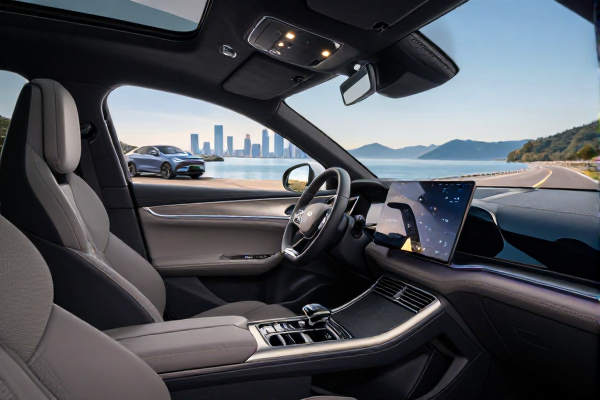
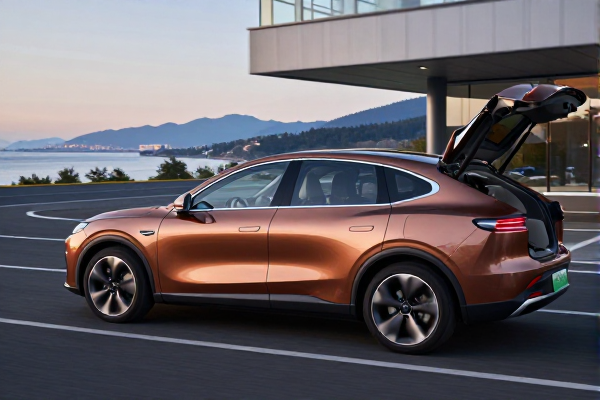
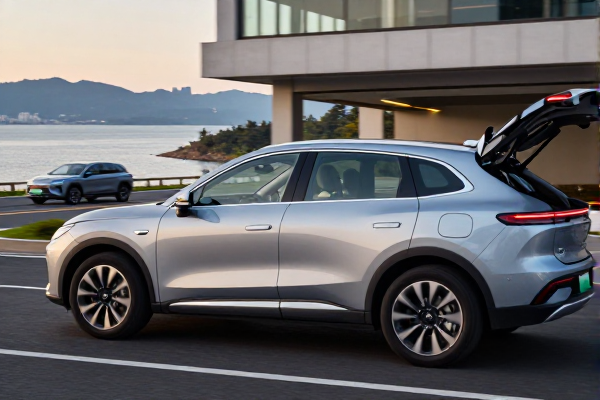
Modern car duo designs prioritize lightweight construction and aerodynamic profiles, enabling better fuel economy and lower carbon footprints compared to traditional sedans. Manufacturers like Honda and Toyota have introduced models with hybrid powertrains, achieving up to 50 MPG in city driving conditions. These vehicles often feature smart storage solutions and foldable seats, maximizing space without compromising on comfort. By focusing on minimalist aesthetics, automakers are appealing to younger demographics who value sustainability and urban practicality.
Market Dynamics Reveal Strong Growth in Coastal Cities
Exclusive sales data from Q2 2024 shows that compact car duo registrations have spiked by 30% in metropolitan areas such as New York, Los Angeles, and Seattle. This surge correlates with local incentives for electric and hybrid vehicles, including tax credits and dedicated parking lanes. Industry analysts attribute the growth to rising fuel costs and congestion charges, which make smaller, more efficient cars economically advantageous. Additionally, ride-sharing companies are increasingly incorporating these models into their fleets, further driving demand.
Consumer Preferences Shift Towards Practicality Over Luxury
Surveys conducted by the Automotive Research Institute indicate that 65% of US buyers now prioritize fuel efficiency and maneuverability over luxury features when selecting a vehicle. The car duo segment caters to this demand by offering affordable price points, typically ranging from $20,000 to $30,000, along with low maintenance costs. Testimonials from urban commuters highlight reduced stress in traffic and easier parking as key benefits, with many noting a positive impact on their daily routines and environmental footprint.
Expert Insights Highlight Regulatory and Technological Drivers
Dr. Emily Carter, a transportation economist at Stanford University, provides authoritative analysis: "Federal emissions standards and state-level zero-emission vehicle mandates are accelerating the adoption of compact car duos. Coupled with advancements in battery technology, we're seeing a convergence of policy and innovation that makes these vehicles a smart choice for the future." Her research, published in recent journals, underscores how autonomous driving features in upcoming models could further revolutionize urban transit by 2030.
Future Outlook Points to Continued Expansion and Integration
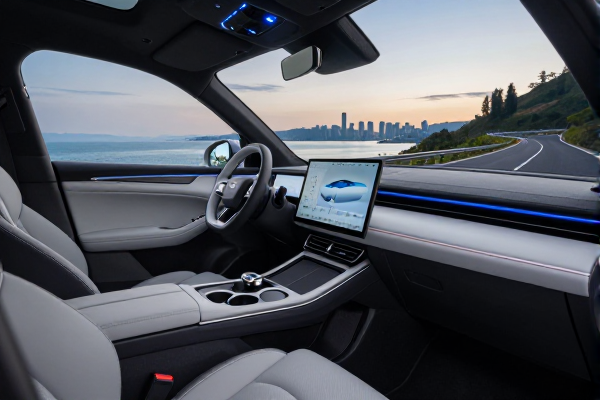
The trajectory for car duo vehicles suggests sustained growth, with projections estimating a 40% market share in the US compact segment by 2026. Automakers are investing in electric variants and connectivity features, such as real-time traffic updates and charging station locators, to enhance user experience. Partnerships with city planners aim to integrate these cars into smart infrastructure projects, potentially reducing urban congestion by 15% in the next decade. As technology evolves, these models may become central to sustainable mobility ecosystems.
Challenges and Opportunities in Infrastructure Adaptation
While adoption rises, challenges persist in charging infrastructure and public awareness. Cities like Austin and Denver are piloting programs to expand EV charging networks specifically for compact vehicles, addressing range anxiety among consumers. Educational campaigns by environmental groups highlight the long-term cost savings and ecological benefits, encouraging broader acceptance. This proactive approach could pave the way for car duos to become a mainstream option, aligning with global sustainability goals.
Conclusion: A Pivotal Moment for Automotive Evolution
The rise of car duo models represents more than a trend—it's a reflection of societal shifts towards efficiency and environmental stewardship. With ongoing innovations and supportive policies, these compact vehicles are poised to redefine urban mobility across the United States, offering a balanced solution for modern transportation needs. As consumers and industries adapt, the future looks promising for a cleaner, more connected driving experience.