Browse

Log in / Register
 Share


Canada retaliatory tariffs took effect early Tuesday, December 18, 2026, targeting roughly $20 billion worth of American imports. The move escalates a trade dispute that erupted after U.S.-Canada negotiations collapsed last month, leaving both sides blaming each other for the breakdown. Ottawa has signaled openness to a deal, but no high-level talks are scheduled.
The new duties range from 15% to 50% and cover steel, furniture, clothing, electronics, and other goods. In a statement, Canadian Trade Minister Mary Ng said the measures are “proportional and targeted” to defend Canadian industries and workers. “We remain willing to negotiate a fair deal,” she added, “but we will not be pushed around.”
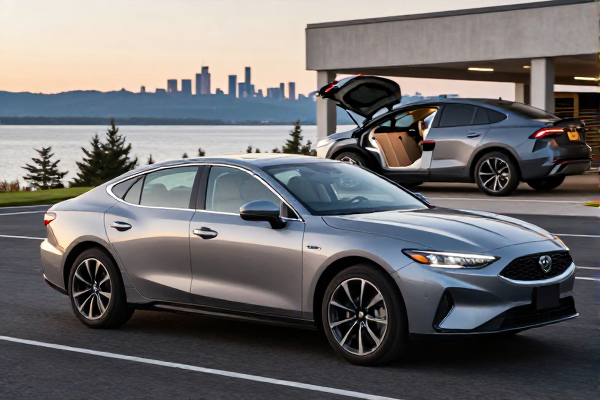
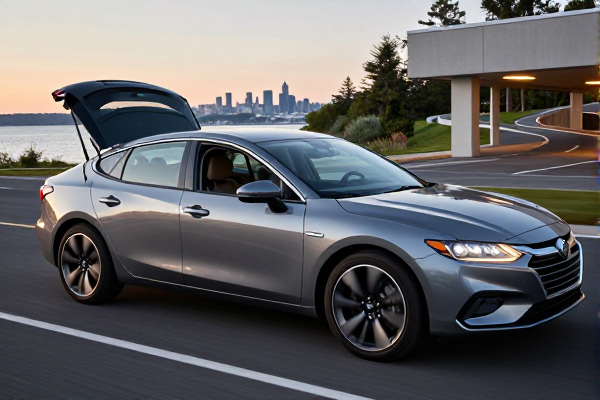
Meanwhile, President Donald Trump has threatened to raise tariffs on Canadian cars, trucks, and automotive parts to 50% starting January 1, 2027. The potential increase would add thousands of dollars to vehicle costs across North America, hitting dealers and consumers alike. “If these tariffs go through, we could see a 15–20% price jump on some models within months,” warned Tim Reuss, president of the Canadian Automobile Dealers Association, in an exclusive interview. “Inventory planning is already a nightmare.”
USMCA’s Future Under Strain
The escalating dispute casts a long shadow over the U.S.-Mexico-Canada Agreement. Trump declined to extend the pact for another decade, triggering annual reviews starting in 2026. The first review, held in July, revealed deep divisions on rules of origin and digital trade. Canada has relied on USMCA exemptions to keep most of its trade with the U.S. duty-free—nearly 68% of Canada’s exports go to the U.S., and roughly 80% of those moved tariff-free under the agreement.
But the new retaliatory tariffs could erode that advantage. Many products previously shipped duty-free now face added costs, forcing companies to reassess supply chains. “The uncertainty is worse than the tariffs themselves,” said John Murphy, senior vice president of the U.S. Chamber of Commerce. “Businesses can plan around fixed costs, but not around a trade war that could escalate further at any moment.”
Dealers and Automakers in the Crosshairs
For dealers, the immediate impact is already being felt. Canadian auto dealers report that U.S.-made vehicles are becoming more expensive to stock, while some American dealerships near the border have seen a dip in Canadian customers. “A 50% tariff on vehicles would be catastrophic,” said Michael Smith, a dealer in Windsor, Ontario. “We’d have to raise prices or stop selling certain models altogether.”
Automakers are also bracing. Ford, General Motors, and Stellantis all have significant production in Canada and Mexico, and their cross-border parts supply chains are heavily integrated. A 50% tariff on Canadian parts would push up costs for U.S. assembly plants, potentially leading to plant closures or production cuts. “We’re modeling multiple scenarios, but none of them are good,” said a senior supply chain executive at a major Detroit automaker, speaking on condition of anonymity.
What’s Next?
Neither government has scheduled ministerial or higher-level negotiations, but Canadian officials say Ottawa remains open to restarting talks. The White House has not commented on the latest retaliatory tariffs. Analysts warn that the standoff could drag on into 2027, with the automotive tariff deadline looming.
“This is a classic escalation cycle,” said trade economist Laura Dawson. “Both sides are digging in, and the longer it lasts, the more damage to cross-border investment and jobs.” For now, dealers and automakers are left to navigate a volatile trade environment with no clear resolution in sight.