Browse

Log in / Register
 Share

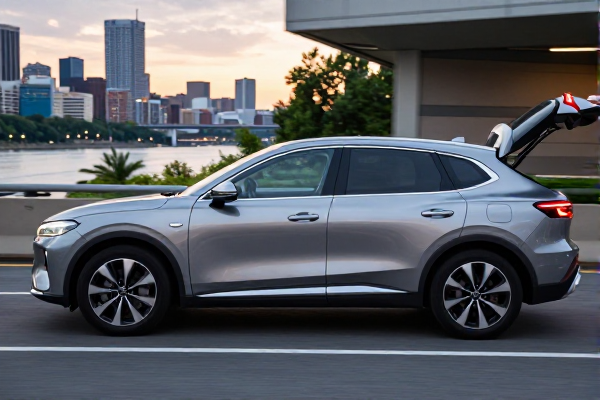
In a stark reversal of its once-bold vision, General Motors has effectively shelved Cadillac's plan to become an all-electric brand by 2030. The shift was signaled not by a flashy new EV, but by the unexpected return of discontinued gasoline models, marking a profound strategic retreat. The announcement, made during GM's second-quarter earnings call, underscores the harsh economic realities facing the electric vehicle transition. July 20, 2024
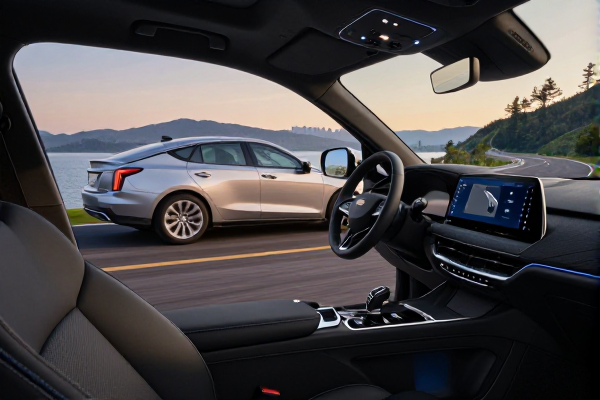
The core of the new plan is pragmatic, not progressive. Starting next spring, Cadillac will continue building and updating gasoline versions of the CT5 sedan, the aging XT5 SUV, and—most notably—the three-row XT6 SUV, which was previously axed from the lineup. These vehicles will now remain in production through 2028, sharing showroom space with existing EVs like the Lyriq. CEO Mary Barra framed the move as launching "the next generation of Cadillac ICE vehicles," a description that glosses over the fact that reviving the XT6 constitutes a step back, not a leap forward.
This week's public confirmation to Wall Street analysts transforms what was industry speculation into corporate doctrine. While reports of plant investments hinted at a change, a formal statement on an earnings call, bound by SEC disclosure rules, carries the weight of a binding admission. Barra’s message was clear: the decade-end deadline for an electric-only Cadillac is officially off the table. The automaker is now prioritizing immediate portfolio stability over a long-term technological bet.
The $10.9 Billion Reality Check Buried within the financial details was the staggering figure that explains this pivot: $10.9 billion. That is the total in EV-related write-downs GM has recorded since late last year. These are not routine research expenses but accounting "impairments," acknowledging that billions invested in dedicated EV tooling, battery plants, and canceled programs will not deliver the expected returns. This sum, exceeding the cost of developing multiple all-new vehicle platforms from scratch, represents a monumental financial setback. It forced GM's hand, compelling a strategy rewrite to stem the bleeding.
The decision to resurrect the XT6 and refresh the XT5 is a function of cold calculus, not consumer nostalgia. For the past half-decade, Cadillac's engineering resources were funneled into its Ultium EV platform, leaving little bandwidth for new internal combustion engine architecture. Bringing back a shelved model allows GM to reuse existing stamping dies, certified body structures, and supplier contracts. It is the fastest and most cost-effective method to put a gas-powered vehicle back on dealer lots—a move of urgent necessity as Cadillac retailers have reported buyers asking for the very SUVs GM had discontinued.
Exclusive Insight: A Factory Floor Reversal Signals True Priorities A further telling detail from the earnings call reveals the depth of GM's strategic reassessment. Barra announced that starting next year, production of high-margin, body-on-frame SUVs—including the Cadillac Escalade, Chevy Tahoe, and GMC Yukon—will be shifted to the Factory Zero plant in Detroit. This facility was originally hailed as the crown jewel of GM’s electric future, built to exclusively produce EVs like the Hummer EV. Its repurposing to build some of the company's most profitable gasoline vehicles is a powerful symbol. It signifies that GM is now directing capital and capacity toward its current cash engines, not its future electric dreams.
This reversal did not occur in a vacuum. Two external forces converged to undermine Cadillac's electric plan. First, recent adjustments to federal emissions standards reduced the regulatory pressure automakers face to electrify en masse. Second, stricter eligibility rules for the federal EV tax credit removed a key financial incentive for many luxury buyers. GM’s strategy was built on the assumption that both a regulatory push and a consumer pull would remain strong through 2030. That foundation has eroded, and the automaker is now rebuilding its lineup in real-time to adapt.
A Recurring Pattern in Cadillac's History For those familiar with Cadillac's lineage, this strategic whiplash feels eerily familiar. The brand has a history of over-committing to emerging trends only to retreat when the market balks. Examples include the ill-fated diesel engines of the 1980s, the badge-engineered Cimarron compact, and the premature ELR plug-in hybrid coupe. The pattern of announcing a transformative direction, then hastily backtracking when sales fail to materialize, is a well-worn habit for the marque. The current pivot is merely the latest iteration, this time with billions in EV investments playing the role of the abandoned bet.
The immediate takeaway will be the sight of a reheated XT6 in showrooms around 2027. However, the enduring lesson lies in the $10.9 billion charge and the explicit reprioritization of gasoline profits as the engine funding an eventual electric transition. After years of proclaiming an electric destiny, Cadillac used its earnings call to perform a quiet but definitive U-turn, cleverly packaging a strategic retreat as a new product launch for Wall Street's benefit.