Browse

Log in / Register
 Share


June 26, 2024 — In a strategic shift underscoring the diverging paths of the world's two largest auto markets, General Motors is reportedly planning to base the next-generation Cadillac Optiq for China on an architecture developed locally with its joint-venture partner SAIC. This potential move signals a deeper reliance on China-specific technology and could further widen the engineering gap between vehicles GM sells in North America and those it offers to Chinese consumers.
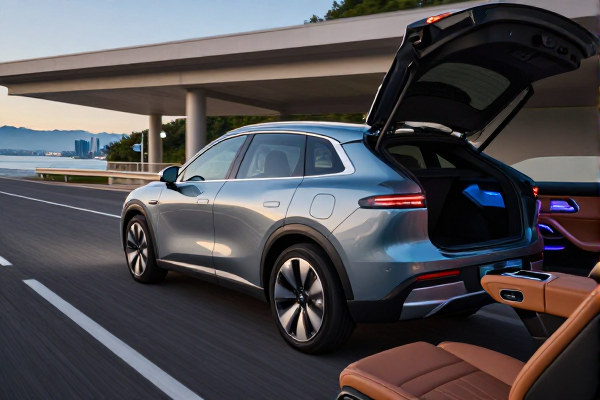
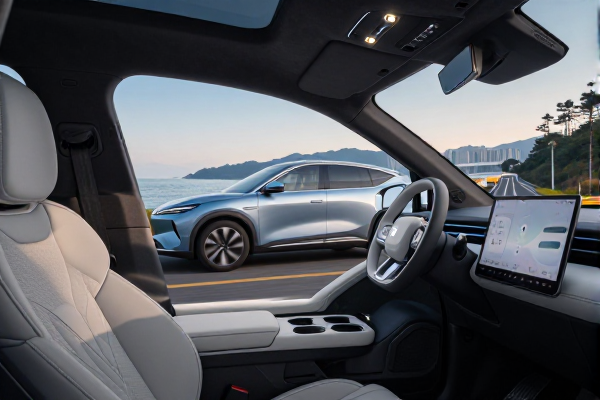
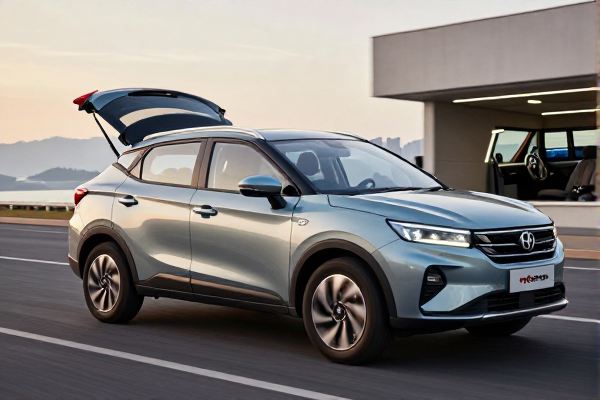
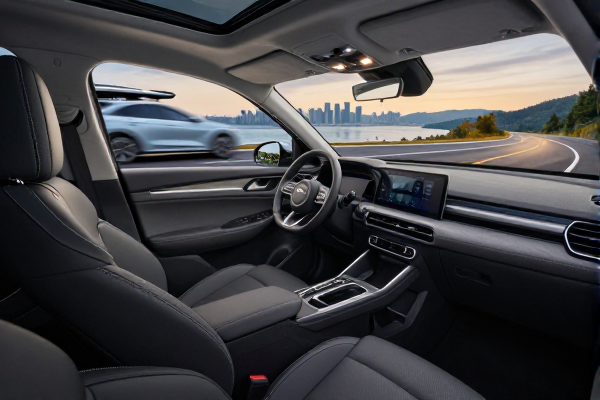
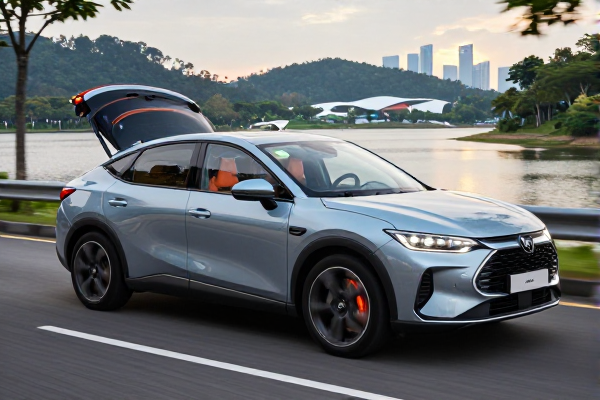
According to a Reuters report citing a source familiar with the matter, the luxury brand’s upcoming compact electric SUV is slated to utilize the ‘Xiao Yao’ architecture. This platform was developed by the SAIC-GM Pan Asia Technical Automotive Centre (PATAC) in Shanghai and currently forms the foundation for several Buick models in China, including the Electra L7 sedan and the Electra E7 SUV. A GM spokesperson responded to the report by stating, "The Xiao Yao architecture is a China-tailored platform developed by PATAC that combines GM’s global expertise with strong local capabilities. The reporting about the Optiq is speculative."
This platform strategy represents a notable pivot. While GM has introduced its global Ultium (BEV3) platform in China—powering models like the Cadillac Lyriq and Vistiq—the company appears to be increasingly investing in and deploying China-focused solutions. The Xiao Yao architecture supports advanced 900V electrical systems and lithium-iron-phosphate (LFP) batteries, technologies that have become commonplace among leading Chinese EV makers but are less prevalent in GM's North American portfolio.
The consideration of a Chinese platform for a Cadillac model illuminates the intense pressure foreign automakers face in China's hyper-competitive electric and plug-in hybrid vehicle market. To stay relevant, companies are leveraging the rapid innovation and cost advantages of their local partners. This trend extends beyond GM; joint ventures from Changan Mazda to Dongfeng Nissan are developing and even exporting China-specific EVs and PHEVs.
A key divergence lies in battery chemistry. While GM's battery chief recently indicated the company is investing in lithium manganese-rich (LMR) battery production in the U.S. and shelving LFP plans for new vehicles there, LFP batteries are proliferating within its Chinese lineup. GM has confirmed a partnership with Chinese battery giant CATL to develop an ultra-fast charging 6C LFP battery. This technological fork in the road is a direct response to differing consumer demands, regulatory environments, and competitive landscapes in each region.
The potential platform shift for the Optiq raises questions about the future of global model sharing. The current Cadillac Optiq sold in markets like Europe and Australia is built in Mexico on a global platform. If its successor in China moves to the Xiao Yao architecture, it could create entirely distinct vehicles sharing only a nameplate. GM has already cultivated a wide range of China-exclusive models across its Buick, Cadillac, and Chevrolet brands, though many traditionally shared underlying platforms with U.S. offerings.
Industry analysts note that using a Chinese-developed platform could streamline costs and accelerate development cycles for the Chinese market. However, it complicates global economies of scale. It also remains uncertain whether vehicles on the Xiao Yao architecture, like the Buick Electra E7 slated for export to South Korea, would be candidates for broader international sales, especially in regions with strict regulations on vehicle data and software sourcing.
GM executives are acutely aware of the innovation originating in China. In a recent interview, Cadillac chief engineer Jeff MacDonald emphasized close monitoring of the competitive landscape, stating the company benchmarks against a broad range of global players, from European luxury brands to Chinese EV makers like Huawei, Xpeng, and Nio. This surveillance is crucial as China's auto market accelerates away from traditional internal combustion engines toward EVs, PHEVs, and extended-range electric vehicles (EREVs), while the U.S. market experiences a regulatory pullback on EV incentives.
The reported plans underscore a broader reality: GM's two home markets are driving in different directions. The U.S. and China are not just sales territories but are becoming distinct centers of automotive technology and strategic focus. Decisions like platform selection for the Cadillac Optiq will define how global automakers navigate this bifurcated future, balancing local relevance against global integration.