Browse

Log in / Register
 Share

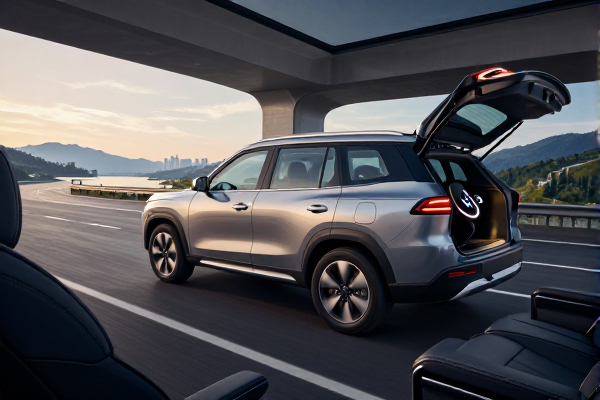
BYD officially unveiled the third-generation Tang SUV at the Chengdu Auto Show today (April 25, 2025), marking a strategic move to revitalize the Tang series alongside the larger Da Tang (Great Tang) model. The new Tang is a five-seat mid-to-large SUV positioned to compete in China’s fiercely contested electric SUV segment, with sales expected to begin in the fourth quarter of 2025 (October to December).
Design and Dimensions
The third-generation Tang retains the familiar “Dragon Face” design language but adds sharper lines and a more aerodynamic profile. It measures 198.6 inches (5,045 mm) in length, 78 inches (1,980 mm) in width, and 69.3 inches (1,760 mm) in height, with a wheelbase of around 118 inches (3,000 mm). These dimensions place it in the same class as the Tesla Model Y (187 inches long) and the NIO ES6 (192 inches), though the Tang is slightly longer overall. The SUV rides on a 20-inch wheel option, with a ground clearance of 7.5 inches.
Powertrain and Performance
While BYD has not released full powertrain details, the new Tang is expected to offer both plug-in hybrid (DM-i) and all-electric (EV) variants. The DM-i version likely features a 1.5L turbocharged engine paired with an electric motor, delivering a combined output of around 400 hp and a 0-60 mph time of under 5 seconds. The EV variant is rumored to pack BYD’s latest Blade Battery, offering a range of up to 400 miles (NEDC) on a single charge. Fast charging capability supports 10-80% in 30 minutes via a 150 kW DC charger.
Interior and Technology
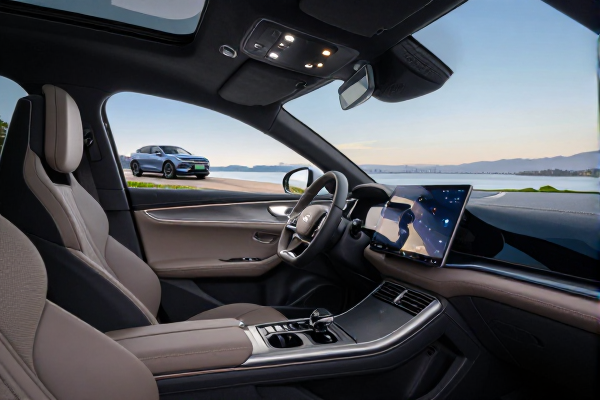
Inside, the third-generation Tang sports a 15.6-inch rotating touchscreen running BYD’s DiLink 5.0 infotainment system, with over-the-air updates and 5G connectivity. A 12.3-inch digital instrument cluster is standard. The cabin offers seating for five, with optional second-row captain’s chairs for a 4-seat configuration. Premium materials include Nappa leather, ventilated front seats, and a panoramic sunroof. Advanced driver-assistance systems (ADAS) include adaptive cruise control, lane-keeping assist, and automatic emergency braking, with a Level 2+ autonomous driving suite available as an option.
Market Context and Strategy
The debut of the third-generation Tang is critical for BYD, which has seen slowing sales of the Tang series in recent years due to intense competition from Xpeng, NIO, and Tesla. The new model aims to reinvigorate demand by offering a more modern design and competitive pricing. The larger Da Tang (Great Tang) is also being developed to target the premium six-seat segment, similar to the Li Auto L9. BYD’s strategy is to cover both the mainstream and high-end SUV markets with the Tang and Da Tang, respectively.
Exclusive Perspective: BYD’s Global Ambitions
According to industry analysts, the third-generation Tang is not just a domestic refresh but a platform for BYD’s international expansion. BYD has already entered markets in Europe, Southeast Asia, and Latin America, and the Tang could be a key model for the U.S. market if tariff barriers are reduced. “The Tang is BYD’s flagship SUV, and its third-generation version incorporates the best of BYD’s battery and software technology,” said Mark Li, an automotive analyst at Sino Auto Insights. “It’s designed to compete globally with Tesla Model Y and Volkswagen ID.4, but its success will depend on pricing and brand perception outside China.”
Competitive Landscape
In China, the third-generation Tang will face the Tesla Model Y (starting at ¥249,900), the NIO ES6 (¥338,000), and the Xpeng G9 (¥309,900). BYD is expected to price the new Tang between ¥220,000 and ¥280,000 ($30,000-$38,000), undercutting many rivals while offering comparable range and features. The DM-i variant could appeal to buyers who want an electric-like experience without range anxiety, while the EV variant targets pure EV enthusiasts.
Official Launch Timeline
BYD confirmed that the third-generation Tang will begin accepting pre-orders in September 2025, with first deliveries in November. The model will be produced at BYD’s Xi’an plant, which has an annual capacity of 600,000 vehicles. BYD also teased a high-performance “Tang GT” version with a dual-motor all-wheel-drive system, expected to launch in early 2026.
Conclusion
The third-generation Tang SUV represents BYD’s commitment to staying at the forefront of China’s electric vehicle revolution. With a refined design, advanced technology, and competitive pricing, it aims to recapture market share in the mid-to-large SUV segment. As BYD continues to expand globally, the Tang could become a key player in the international EV market, challenging established players like Tesla and Volkswagen. The next few months will reveal whether the third-generation Tang can indeed revive the series and strengthen BYD’s position as a global EV leader.