Browse

Log in / Register
 Share

Date: March 10, 2025
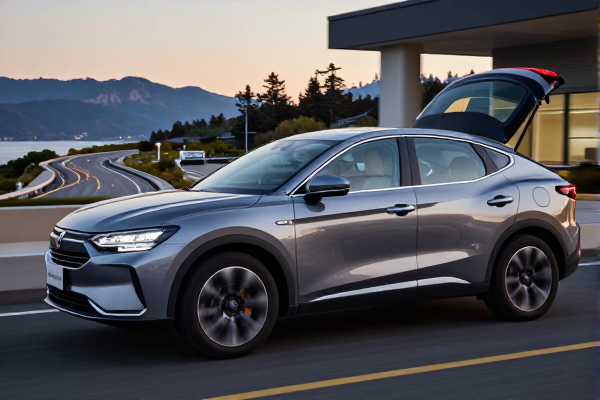
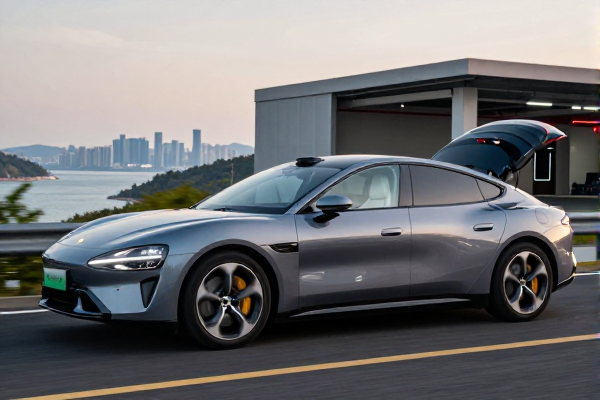
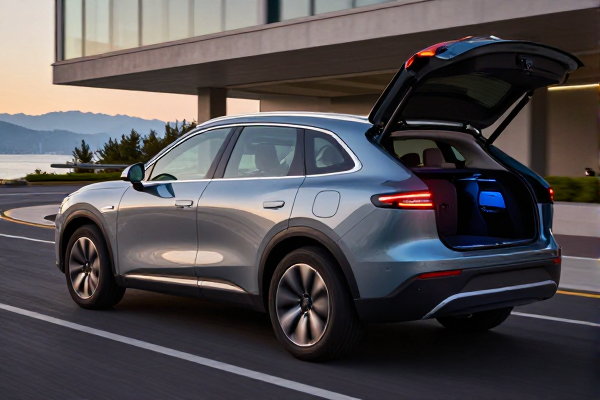
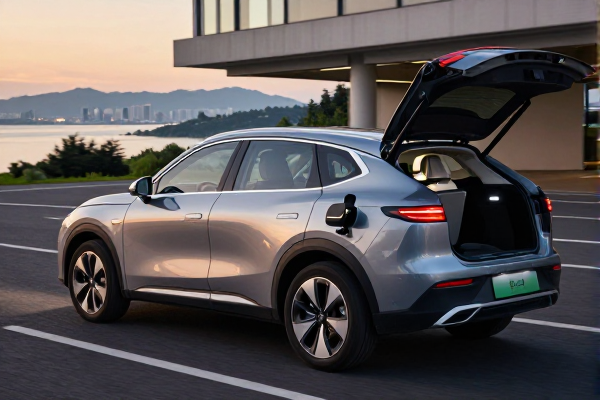
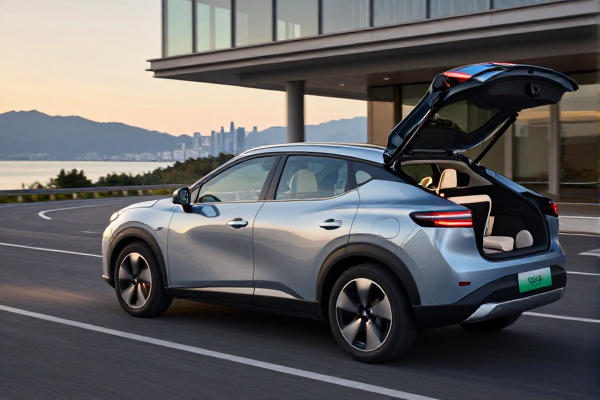
The electric vehicle landscape is heating up globally, and two very different contenders are vying for attention: the all-electric BYD Sealion 7 and the updated 2026 Maruti Suzuki Brezza. While the Sealion 7 represents BYD's push into the premium EV crossover segment with dual-motor all-wheel drive and an 82.56 kWh battery, the Brezza remains a popular petrol-powered compact SUV in markets like India, now with a mild-hybrid system. This comparison examines how these two SUVs measure up on paper, focusing on their technical specs, features, and value propositions.
Powertrain and Performance: Electric Muscle vs Petrol Efficiency
The BYD Sealion 7 is a performance-oriented electric SUV. It packs two permanent magnet motors producing a combined 530 horsepower and 690 Nm of torque, driving all four wheels through a single-speed automatic gearbox. This setup delivers instant torque and a claimed 0-100 km/h time likely under 4.5 seconds, though official figures are still emerging. In contrast, the 2026 Maruti Suzuki Brezza uses a 1.5-liter four-cylinder mild-hybrid petrol engine (1462 cc) producing 103.05 hp at 6,000 rpm and 139 Nm at 4,400 rpm, paired with a 6-speed torque converter automatic. The Brezza is front-wheel drive and prioritizes fuel economy over raw power.
Range and Charging vs Fuel Economy
The Sealion 7’s 82.56 kWh lithium-ion battery offers a claimed range of 542 km on the WLTP cycle. In our Autocar testing, it delivered 4.9 km/kWh in city driving and 4.17 km/kWh on the highway, yielding a real-world range of approximately 371 km. DC fast charging (150 kW) takes 45 minutes for a 10-80% top-up, while an 11 kW AC home charger needs about 11 hours for a full charge. The Brezza, by contrast, has an official fuel economy of 20.17 kmpl (about 47 mpg US equivalent) from its 48-liter fuel tank. This gives it a total range of over 960 km on a full tank, making it more convenient for long-distance travel where charging infrastructure is limited.
Suspension, Steering, and Braking
The Sealion 7 uses a sophisticated independent double-wishbone front suspension and multi-link rear setup, both with coil springs. It features electric power steering with tilt and telescopic adjustment, a turning radius of 5.85 meters, and disc brakes all around on 20-inch wheels (245/45 R20 tires). The Brezza uses a simpler MacPherson strut front and torsion beam rear suspension, also with coil springs. Its electric steering is manually adjustable, and braking is via ventilated discs at the front and drum brakes at the rear on 16-inch wheels (215/60 R16 tires). The Sealion 7 offers a smoother, more refined ride, while the Brezza is tuned for durability and cost-effectiveness.
Dimensions and Space
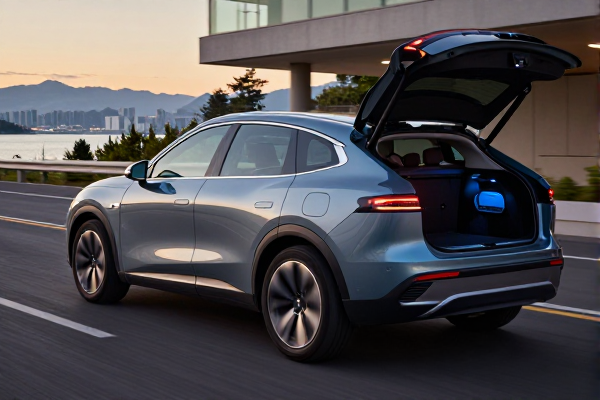
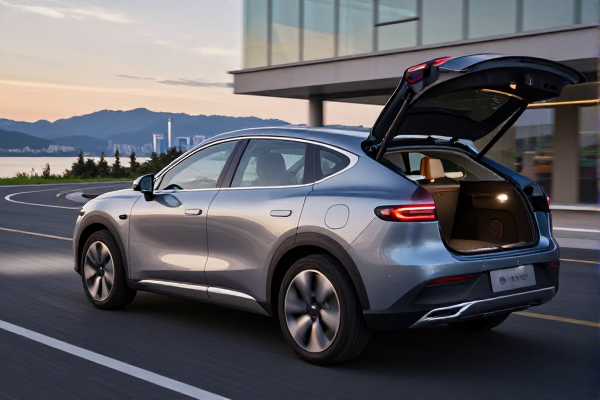
Size is where these two diverge significantly. The Sealion 7 is larger in every dimension: 4,830 mm long (+835 mm), 1,925 mm wide (+135 mm), and rides on a 2,930 mm wheelbase (+430 mm). However, it is lower (1,620 mm vs 1,685 mm) and has 170 mm of ground clearance. The Brezza’s compact footprint (3,995 mm long, 1,790 mm wide) makes it more maneuverable in tight urban spaces. Both SUVs seat five and have a monocoque chassis. The Sealion 7 offers a substantial 500-liter boot; the Brezza’s boot capacity isn't specified here but is typically around 328 liters. The Sealion 7's kerb weight of 2,340 kg is significantly heavier due to the battery pack.
Comfort and Convenience Features
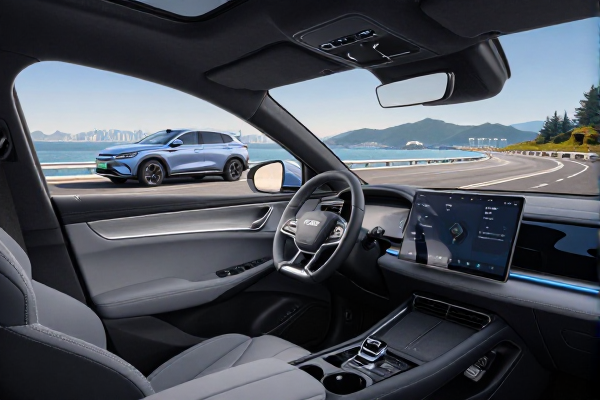
The Sealion 7 is lavishly equipped. It gets a fully digital instrument cluster, adaptive cruise control, 2-zone climate control, power windows with one-touch up/down on all windows, ambient lighting, fixed glass sunroof, and powered tailgate. The Brezza, while more modest, still offers push-button start, keyless entry, power-folding ORVMs, a single-pane sunroof, manual AC (1-zone), and steering-mounted controls. Notably, the Brezza lacks many of the Sealion 7’s high-end features such as rear AC vents, cooled storage, and driving modes (the Brezza’s terrain modes are listed as not available). The Sealion 7 also includes a cooled glovebox, which is rare in this class.
Safety Systems
Both SUVs prioritize safety. The Sealion 7 boasts 8 airbags (including curtain and side), while the Brezza offers 6 airbags. The Sealion 7 adds a dashcam, rear cross-traffic collision avoidance, automatic day/night interior mirror, and front collision avoidance. The Brezza has standard automatic day/night mirror and the expected passive safety suite. Neither model features advanced driver assistance systems (ADAS) like lane keep assist – the Sealion 7’s adaptive cruise control is a notable exception. The Brezza lacks automatic parking and launch control.
Pricing and Verdict
Official pricing for the 2026 BYD Sealion 7 in the US is not yet announced, but based on its positioning in China and Europe, expect a starting price around $45,000–$55,000. The Brezza, sold mainly in India, costs approximately ₹8–13 lakh (about $9,600–$15,600 USD). The Sealion 7 offers a compelling package for EV buyers seeking performance and range in a midsize crossover. The Brezza remains a sensible, affordable choice for those who prioritize fuel efficiency, lower upfront cost, and existing petrol infrastructure. For American buyers, the Sealion 7 could be a strong competitor to the Tesla Model Y, while the Brezza is unlikely to be sold in the US market. This comparison highlights the divide between a cutting-edge EV and a traditional petrol SUV, each serving different needs.