Browse

Log in / Register
 Share

April 10, 2025 – Chinese EV giant BYD kicked off August with a product blitz: three new electric models and a groundbreaking policy that makes it responsible for crashes caused by its driver-assist systems. The move, aligned with a new Chinese national standard, could fundamentally rewrite the cost math for the entire EV industry.
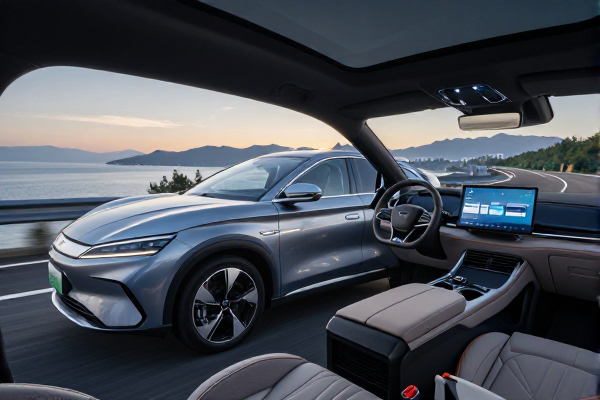
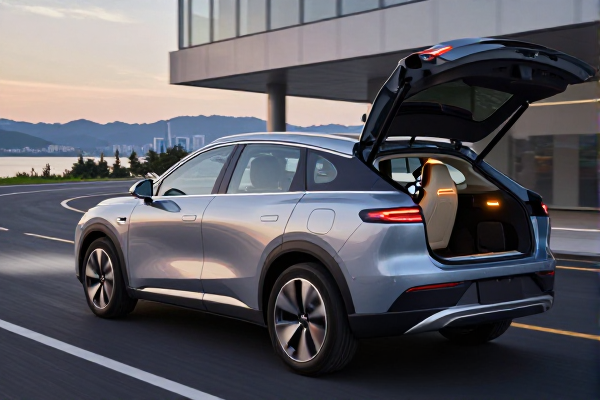
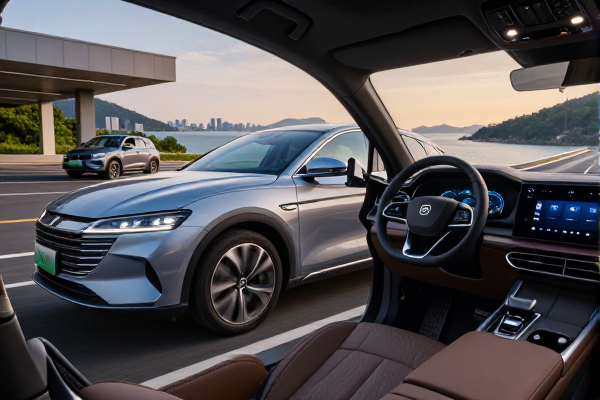
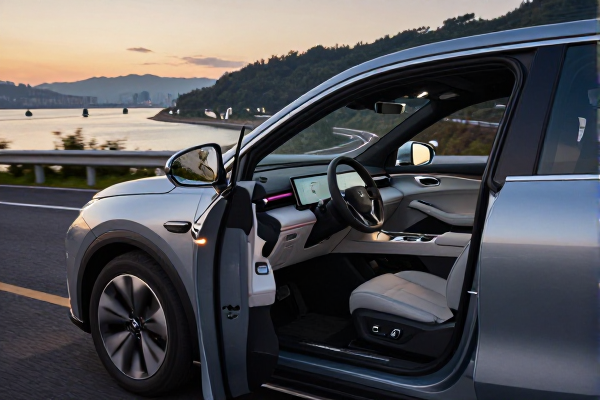
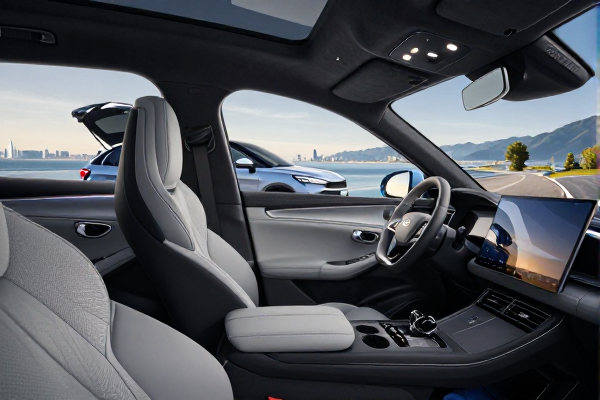
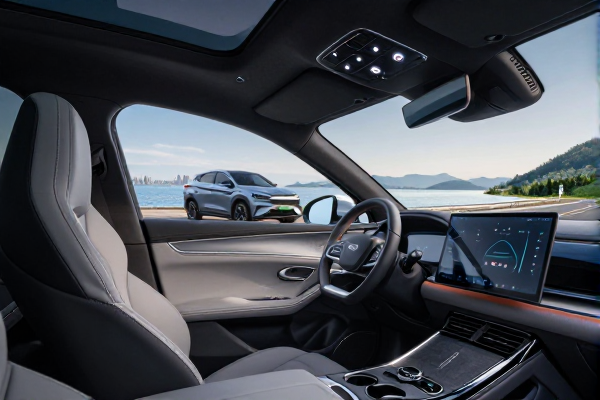
BYD is filling out its lineup with the Sealion 08, a mid-size SUV targeting families; the Seal 06, a compact sedan aimed at urban commuters; and the Denza Z9S, a luxury MPV built under its Denza sub-brand. All three vehicles come equipped with BYD’s latest “DiPilot” advanced driver-assistance system (ADAS) and start deliveries this month.
The Sealion 08, priced at RMB 150,000 (≈ $20,700), undercuts many gas-powered rivals in its segment. The Seal 06 starts at RMB 99,800 (≈ $13,800), making it one of the most affordable L2+ EVs globally. Denza Z9S, by contrast, targets the high-end market with a price tag of RMB 428,000 (≈ $59,000), competing directly with Lexus and Mercedes-Benz MPVs.
BYD’s strategy is simple: attack every price point with fresh hardware while using the same core battery and ADAS platform to keep costs low. This “platformization” mirrors what Tesla did with Model 3 and Model Y, but BYD is taking it a step further by rethinking who pays when the tech fails.
On August 5, BYD publicly stated it will assume full liability for accidents caused by its DiPilot system when operating within its operational design domain – a move driven by China’s updated “Automated Driving Functional Safety” standard (GB/T 40429-2024) that took effect in March.
Under previous guidelines, the driver was largely responsible for any incidents while using ADAS, no matter how advanced the system. The new standard clarifies that Level 2 and Level 3 system manufacturers must bear “primary responsibility” for failures directly attributable to the technology.
BYD is the first major OEM to fully embrace this change. In an earnings call, a BYD spokesperson said: “We design the system, we validate it, and we should stand behind it. This is both a technological and a trust strategy.”
Industry observers see this as a potential watershed. “BYD just handed an insurance policy to its customers,” said Dr. Li Wei, an autonomous driving regulation analyst at the China Automotive Technology & Research Center (CATARC). “If the system causes a crash, BYD pays the repair bill and any third-party damages. That’s a massive differentiator.”
The immediate impact is on vehicle pricing and insurance costs. BYD is absorbing the additional liability risk rather than passing it on to buyers. To do so, it has established a dedicated insurance subsidiary (BYD Insurance) and built reserves based on its own accident data, which reportedly shows a 40% lower crash rate for DiPilot-enabled vehicles compared to human-only driving.
Analysts at CLSA estimate that BYD’s self-insurance model already saves the company about 1.5–2% of vehicle selling price compared to buying commercial policies for ADAS risk. That savings, combined with its economies of scale and vertical integration, allows BYD to maintain aggressive pricing even with the new liability.
“The cost curve is flattening,” wrote Morgan Stanley auto analyst Adam Jonas in a note this week. “BYD is turning a regulation that could have been a cost burden into a competitive advantage. It essentially says ‘our tech is so safe we’ll pay for its mistakes.’ That’s a powerful message.”
BYD does not currently sell passenger EVs in the United States due to 100% tariffs and trade restrictions. However, the company is constructing a $1 billion plant in Mexico’s Nuevo León state, set to begin production in 2026. Analysts believe the Mexican facility could eventually supply vehicles to the U.S. market, bypassing Chinese-assembly tariffs.
BYD’s liability stance could add pressure on U.S. regulators to clarify liability rules for Level 2+ and Level 3 systems. Currently, the National Highway Traffic Safety Administration (NHTSA) places most responsibility on the driver, though its Standing General Order requires manufacturers to report crashes involving ADAS.
“BYD’s proactive liability approach could serve as a template for global harmonization,” said Dr. Sarah Fox, a transportation policy fellow at the Brookings Institution. “If the world’s largest EV maker says it will pay, consumers in other markets will start asking why their local automakers don’t do the same.”
Tesla’s approach has been different: the company argues that its Full Self-Driving (FSD) beta is a driver-assist feature requiring constant driver attention, and it has fought legal battles over crash liability. BYD’s contrast is stark.
“What BYD is doing goes beyond simple marketing,” said Mark Lin, a senior partner at McKinsey’s automotive practice. “It decouples the traditional assumption that the most advanced features also carry the most risk for the owner. If successful, it could accelerate mass adoption of ADAS in China and force a recalibration of insurance models globally.”
Other Chinese automakers, including NIO and XPeng, are watching closely. Neither has publicly matched BYD’s liability commitment, but industry sources say internal discussions are underway. The risk for them: if they don’t follow, BYD’s promise will be a major selling point.
BYD expects to sell more than 3.5 million new-energy vehicles (NEVs) in 2025, with the three August launches contributing roughly 600,000 units annually. The company is also expanding its DiPilot development centers in Shenzhen and Shanghai, aiming to achieve L3 highway autonomy by 2026.
For the U.S. market, BYD’s moves remain a “watch and wait” story. But with a Mexican plant on the horizon and a liability model that many believe will become the global standard, it’s increasingly clear that the rules of the EV game are being rewritten on BYD’s terms.
— Reporting contributed by industry analysts and public filings.