Browse

Log in / Register
 Share

As of Nov. 8, 2025, BYD Korea is running a month-long anniversary campaign built around hands-on driving, pop-culture showroom makeovers, and digital engagement. The program marks a decade since the Chinese automaker set up shop in South Korea, and it leans heavily on experiences rather than traditional ads.
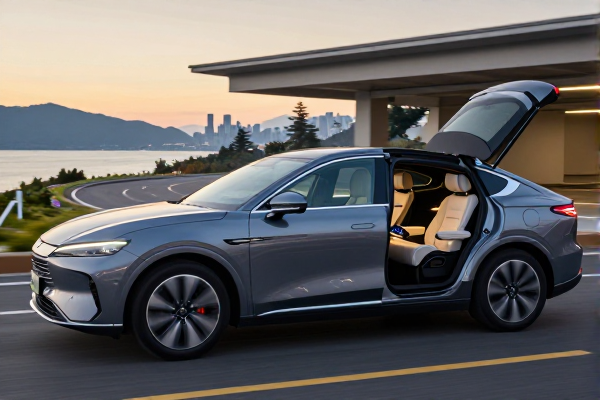
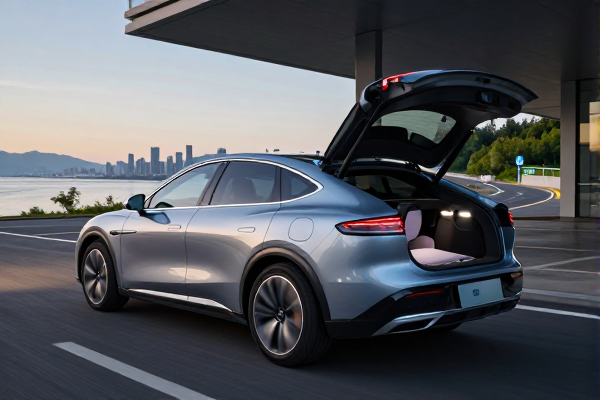
The centerpiece is the DM-i Nationwide Fuel-Efficiency Challenge, which runs Nov. 6–22 at BYD showrooms around the country. Customers get behind the wheel of the SEALION 6 DM-i, a plug-in hybrid SUV, and drive on public roads to see how far they can stretch a tank or a charge.
BYD’s DM-i — short for Dual Mode-intelligence — is a plug-in hybrid system engineered to behave like an EV most of the time. The electric motor handles city driving, while a gasoline engine assists on highway runs or acts as a generator when the battery is low. For Korean commuters, that means EV-like efficiency without relying on fast-charging stations all the time.
To enter, customers register at a participating showroom at least five days before their chosen test-drive session. The person who records the best real-world fuel economy across all showrooms wins a one-year test-drive pass for the SEALION 6 DM-i — essentially a 12-month extended loan, not a lease, and an unusual prize that lets the winner live with the car through all four seasons before deciding on a purchase.
For people who are curious but not necessarily ready to buy, BYD has turned 38 showrooms into mini entertainment zones Nov. 7–29 under the slogan “PLOT TWIST READY.” Each vehicle gets a Netflix-inspired makeover:
The idea is to make walking into a dealership feel less like a sales pitch and more like a cultural event. Given how popular Netflix franchises are among younger Korean consumers, the approach is a deliberate effort to attract a crowd that might otherwise ignore an automotive brand.
BYD Korea is also meeting customers where they already spend time digitally. Its official Instagram account is hosting an interactive event through Nov. 6, with test-drive passes and commemorative merchandise up for grabs.
And through Nov. 24, the company has partnered with Encar, a major Korean used-car platform, to run a dedicated BYD brand section. That section is aimed at people shopping for a used BYD car, giving them model info and pricing guidance in one place. Building a presence in the used-car market matters because strong resale confidence often translates into stronger new-car sales.
BYD commemorated the occasion by unveiling a fresh logo and a brand film that highlight eco-friendly mobility and ten years of local operations. The sales momentum behind the celebration is hard to ignore: between January and September 2025, BYD sold 20,137 passenger vehicles in Korea, a 578.7% jump from the same period last year.
Part of that growth stems from BYD’s willingness to localize. Korean buyers get dedicated showrooms, local advertising, and partnerships with local platforms — a strategy that many Chinese automakers bypass when entering overseas markets.
The campaign may be centered in Korea, but it carries lessons for American observers. BYD does not currently sell passenger EVs in the United States. A 100% tariff on Chinese-made electric vehicles, along with broader regulatory hurdles, has kept the brand out of showrooms so far.
Still, BYD is rapidly expanding manufacturing outside China — in Thailand, Brazil, Hungary, and other markets — and industry analysts say a North American entry is only a matter of time if political and trade conditions shift. The Korean promotion shows how BYD builds trust in a mature automotive market: let people drive the car, entertain them, remove the pressure, and lean on local partners.
The SEALION 6 DM-i also represents exactly the kind of product that is undersupplied in the U.S. right now: an affordable, electric-first plug-in hybrid with no range anxiety. As American automakers focus heavily on pure EVs, demand for efficient PHEVs remains strong among consumers who don’t have reliable access to chargers.
A BYD Korea representative framed the campaign as a thank-you to customers. “We were able to mark the 10th anniversary of our entry into Korea thanks to all the customers who have shown interest in and support for BYD over the years,” the representative said. “We will continue to introduce a variety of electrified products and customer experiences, listen to our customers, and build trust.”
Interested drivers should check local BYD showroom schedules, since availability varies by region and registration closes five days before each session. With nearly sixfold year-over-year growth, a new brand identity, and a decidedly customer-first marketing push, BYD Korea appears to be shifting from entry mode to relationship mode. The challenge now is proving that the attention can turn into long-term loyalty — not just in Korea, but potentially in the U.S. down the road.