Browse

Log in / Register
 Share

In less than three years since its official UK launch, Chinese electric vehicle giant BYD has officially crossed the 100,000 registrations mark. The milestone announced on March 29, 2025, underscores the brand's aggressive push into one of Europe’s most competitive auto markets — and signals its broader ambitions worldwide.
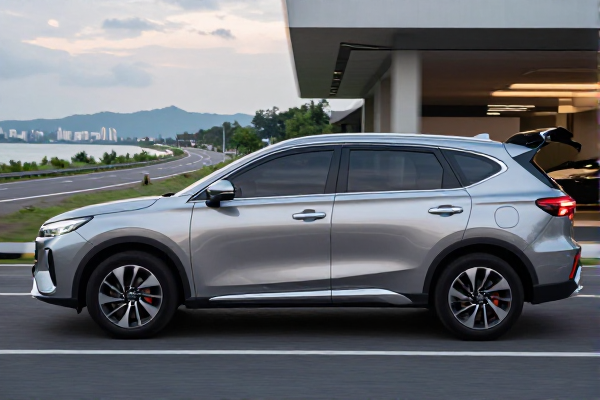
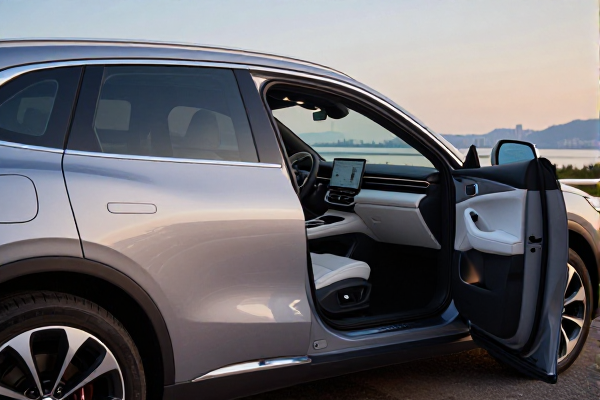
BYD entered the UK in early 2022 with a handful of models and a small dealer network. Today, it offers a full lineup of electric cars including the Atto 3, Dolphin, Seal, and the recently launched Seal U SUV, covering the compact, mid-size, and family segments. The brand has grown its retail presence from a few initial outlets to over 60 dedicated dealerships across England, Scotland, and Wales, with more planned for 2025.
This rapid adoption is not just a European story. BYD has been the world’s largest seller of new energy vehicles (NEVs) for the past two years, overtaking Tesla in global plug-in deliveries. While the UK milestone may seem modest compared to BYD’s home market — where it sells over 2 million vehicles annually — it represents a beachhead for a brand that aims to become a top-five global automaker by 2030.
Industry analysts point to BYD’s vertically integrated supply chain — including its in-house production of batteries, motors, and semiconductors — as a key competitive advantage. Unlike many Western EV makers that rely on external suppliers, BYD controls costs and can price vehicles aggressively. For example, the BYD Dolphin starts at around £26,000 in the UK, undercutting many direct rivals.
The milestone also comes as BYD builds its first European factory in Hungary, expected to begin production in late 2025. That plant will supply vehicles to UK and EU markets, helping BYD avoid import tariffs and further shorten delivery times. In addition, the company is exploring a second European facility, with locations in Spain and France under consideration.
For US readers, BYD’s UK success is a reminder that the Chinese brand remains a looming presence even though it does not currently sell passenger cars in America. Trade tariffs and geopolitical tensions have kept BYD out of the US market, but the company has stated it is evaluating entry options — possibly through a joint venture or a dedicated US factory. In the meantime, BYD is making inroads in Mexico, a country with close trade ties to the US, where it plans to launch models later this year.
“Reaching 100,000 registrations in a market as demanding as the UK shows that BYD’s products and strategy resonate with European consumers,” said Dr. Maximilian Chen, an automotive analyst at London-based AutoInsight. “If BYD can replicate this in the US, it would disrupt the status quo among legacy automakers.”
BYD’s UK lineup is also expanding beyond passenger cars. The company recently introduced the BYD E-Hybrid commercial van and plans to bring its electric buses and trucks to the UK fleet market. This diversification could help BYD capture a larger share of the total UK new vehicle market, which includes light commercial vehicles.
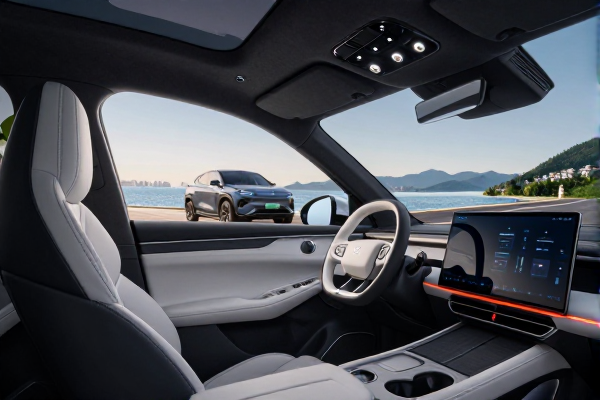
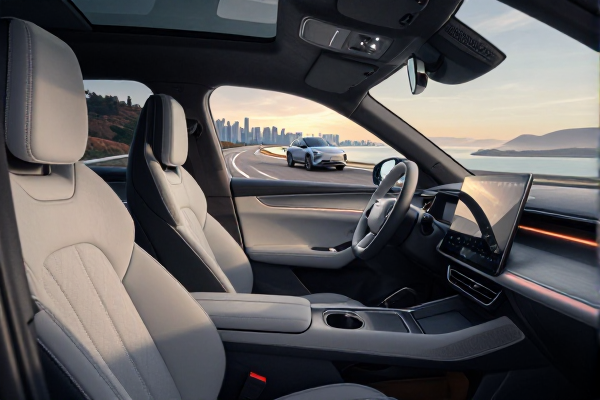
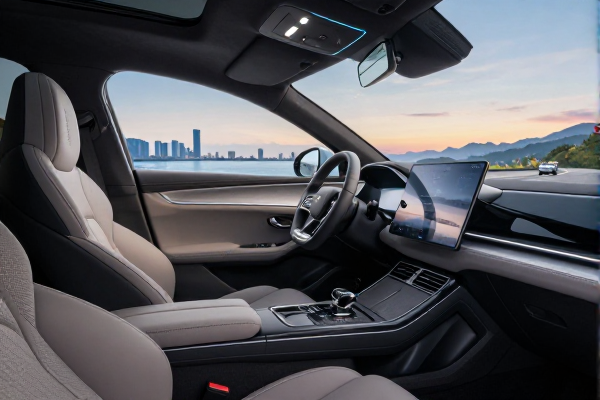
Customer satisfaction appears strong. Third-party surveys from UK automotive review sites show BYD owners rating the vehicles highly for value, range, and build quality. The Atto 3, in particular, has been praised for its distinctive interior design and practical range of over 260 miles (WLTP). The company has also invested in a UK headquarters in Milton Keynes, along with a parts distribution center and service training academy.
Despite the progress, BYD faces challenges in the UK, including brand recognition compared to established names like Volkswagen, BMW, and Tesla. Charging infrastructure remains a concern, though the UK government is accelerating the rollout of public chargers. BYD has partnerships with BP Pulse and Osprey Charging to offer discounted charging rates to its customers.
Looking ahead, BYD is expected to launch its luxury Yangwang and high-performance Denza sub-brands in Europe, potentially including the UK. These would compete directly with premium German EVs. The company is also working on next-generation solid-state batteries, which could significantly extend range and reduce charging time — a development that would give BYD a further edge over rivals.
For the US market, the takeaway is clear: BYD’s global momentum is building, and while it may not be on American roads today, its UK achievement is a proof of concept that it can win in tough, established auto markets. As the company scales production and explores North American entry, the pressure on Tesla, Ford, and legacy automakers will only grow.
BYD has not yet set a target for the next 100,000 registrations in the UK, but with an expanding model lineup and retail network, the second hundred thousand will likely come much faster than the first.