Browse

Log in / Register
 Share

Last updated: March 25, 2025
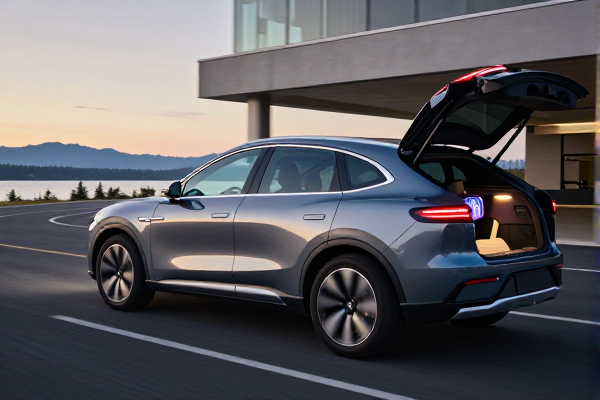
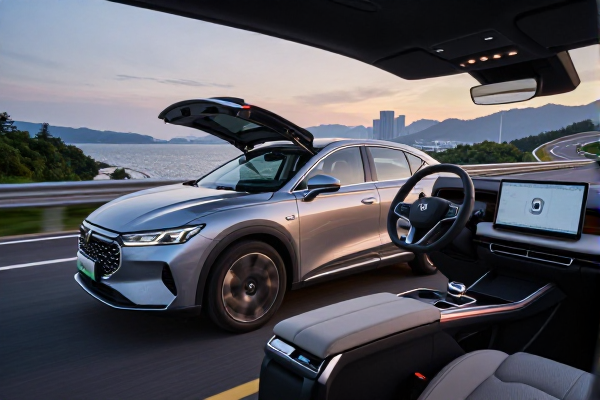
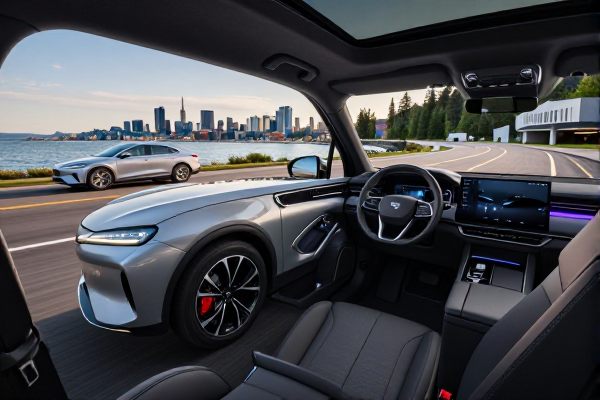
BYD is testing two very different formulas for the small-car market. The Dolphin G is a plug-in hybrid with a 2026 model tag and a 129 kW DM-i powertrain, while the Dolphin Surf is a pure-electric hatchback with a 30 kWh LFP battery and a 220 km WLTP range that hits showrooms in June 2025. Neither model is officially sold in the US today, but both offer a clear preview of the technology BYD could eventually bring stateside.
The Dolphin name now covers two machines with little in common beyond the badge. The G leans on BYD's DM-i plug-in architecture, which pairs a petrol engine with an electric drive system to cut fuel use without forcing the driver to rely on charging stations. The Surf, by contrast, is a dedicated EV built around a compact lithium iron phosphate pack for buyers who want low running costs and an aggressive entry price.
That split is central to BYD's global growth strategy. In countries where charging infrastructure is patchy, the hybrid wins. In crowded cities with reliable grids, the pure EV wins. The two Dolphins are live experiments for both approaches, and the results will shape BYD's future lineup.
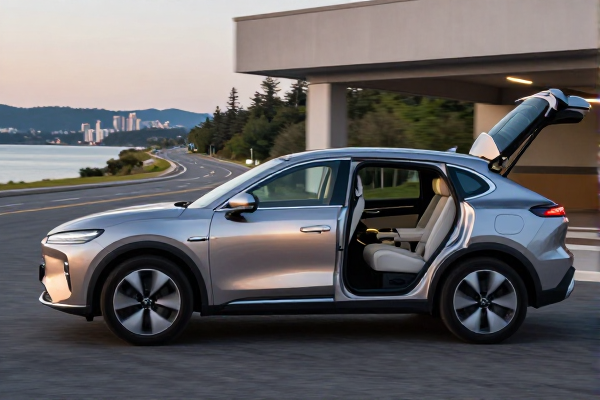
The Dolphin G DM-i Active sits in the lower-medium class. It measures 4,160 mm long and 1,575 mm tall, with a 2,610 mm wheelbase, making it the larger of the pair. It also seats five, not four, and comes with five doors.
Output is rated at 129 kW through BYD's DM-i setup. Torque, engine capacity, cylinder count, and injection details are unlisted, which is normal for DM-i's modular design. In other BYD models, that system lets the petrol engine run in series or parallel with the electric motor, switching based on speed and load — and the results are typically very efficient in combined driving. The G will almost certainly follow the same pattern once official figures arrive.
The 2026 model-year designation is a hint that the G comes after the Surf, probably aimed at markets where hybrid demand is still surging while buyers remain wary of pure EVs.
The Dolphin Surf, internal code EQE, is smaller and far simpler. It's 3,990 mm long, 1,720 mm wide, and 1,590 mm tall, riding a 2,500 mm wheelbase. Boot space is 308 liters, and there are four seats instead of five. In the Comfort trim reviewed here, the front-mounted electric motor produces 65 kW and drives the front wheels. The 0–100 km/h sprint takes 11.1 seconds, and top speed is 150 km/h.
Those figures won't set pulses racing, but they're perfectly adequate for city traffic and most motorway stretches. The real highlight sits underneath: a 30 kWh gross battery using LFP chemistry, which BYD pushes for its durability and thermal safety. WLTP range is 220 km, while the urban-cycle figure climbs to 356 km — a strong indication that this car was designed for dense environments, not cross-country trips. AC charging peaks at 11 kW, DC fast charging at 65 kW, and the Type 2 and CCS ports sit on the front right.
The Surf also brings a genuinely useful extra: V2L, or vehicle-to-load. You can power external appliances directly from the car, which is handy for camping, tailgating, or emergency backup. On the downside, there's no heat pump, so winter range will suffer more than on EVs that have one. That matters if you live in a colder region.
Efficiency is competitive too. Combined consumption is 15.5 kWh/100 km, dropping to 9.9 kWh/100 km in urban driving and 10 kWh/100 km on extra-urban routes. With 30 kWh of usable capacity, the Surf makes sense for daily commuting with overnight top-ups.
| Specification | Dolphin G | Dolphin Surf |
|---|---|---|
| Powertrain | Plug-in hybrid (DM-i) | Electric, front-wheel drive |
| Power | 129 kW | 65 kW |
| Top speed | Not published | 150 km/h |
| 0–100 km/h | Not published | 11.1 s |
| Length | 4,160 mm | 3,990 mm |
| Wheelbase | 2,610 mm | 2,500 mm |
| Seats | 5 | 4 |
| Boot capacity | Not published | 308 liters |
| Battery | Not published | 30 kWh LFP |
| WLTP range | Not published | 220 km |
| DC fast charging | Not published | 65 kW |
| V2L | Not published | Yes |
| Heat pump | Not published | No |
The blank spaces in the G's column aren't an editing oversight — BYD simply hasn't released those details yet. For anyone comparing on paper, the Surf is the complete package at the moment.
The G's absent fuel consumption, torque, and boot figures make a definitive verdict impossible. But the DM-i platform has a well-documented history: in other BYD models, it delivers combined fuel consumption far below conventional hybrids, especially in urban stop-and-go driving. If the G follows that playbook, it will appeal to people who can't count on charging infrastructure but still want low day-to-day running costs.
The Surf, on the other hand, has every number a buyer needs. That completeness suggests it's much closer to production and a more urgent commercial priority for BYD.
The Dolphin G opens at roughly £25,353, a conversion from a Czech-market price. The Dolphin Surf undercuts it significantly at about £17,481. In US dollar terms, that's approximately $32,200 versus $22,200 at current exchange rates. The Surf looks like the value champion on paper — provided you can live with four seats and a 220 km range.
Neither figure should be mistaken for an actual US offer. BYD doesn't sell passenger cars in the United States right now, and these prices are European reference points. The company has concentrated its North American presence on commercial vehicles instead.
This comparison carries significance well beyond Europe. BYD has become the world's largest EV manufacturer by volume, and its small-car push demonstrates how far battery costs have fallen in just a few years. A 30 kWh LFP hatchback with V2L capability and DC fast charging at a sub-$23,000 equivalent would be a disruptive force in the US entry-level segment if it ever arrived.
BYD's stance on American passenger-car sales has been cautious, shaped by trade barriers and political pressures. But the Surf's philosophy — affordable, simple, battery-first urban transport — is exactly the formula that could challenge established city cars if the regulatory environment shifts. The June launch and its reception will be worth watching, because it's a rare glimpse of what a genuinely inexpensive EV looks like when a manufacturer controls its own battery supply chain.
Choose the Dolphin G if you need five seats, hybrid flexibility, and worry-free long-distance capability in one car. Choose the Dolphin Surf if you want the lowest purchase price, a genuine EV powertrain, and the convenience of V2L and DC fast charging. For budget-focused city dwellers, the Surf is the easier recommendation today — just plan your winter charging carefully, because the missing heat pump will show up on the range display.