Browse

Log in / Register
 Share

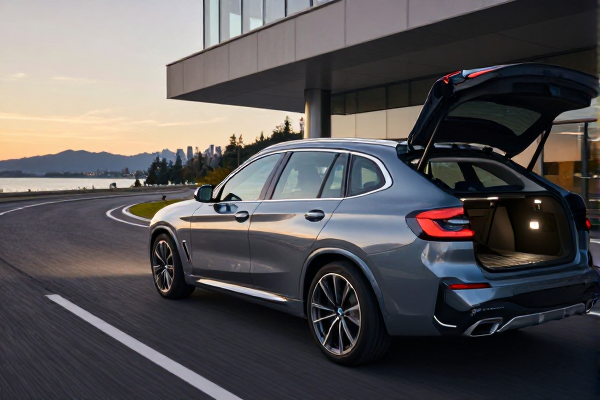
BMW owners are expressing anger after the automaker confirmed that a full-screen advertisement for Spider-Man: Brand New Day appears on the main infotainment display of many vehicles when the engine is started. The ad, which runs from July 27 to August 10, 2025, was announced as part of a broader brand partnership with Marvel. Critics argue that the move turns private cars into advertising billboards, something luxury buyers say contradicts the premium experience they paid for.
The controversy erupted when prominent tech investor Josh Elman, a partner at Andreessen Horowitz, posted on social media: “Of all the brands I thought might bombard with in-car ads on screen right when you start the engine, I had BMW pretty dang low on my list. This seems the opposite of luxury and performance.” His sentiment echoed across Twitter and Reddit, where owners shared screenshots of the ad and voiced frustration. One user wrote, “I paid $80,000 for a car, not a movie theater ad space.”
In an official statement to The Autopian, BMW confirmed that the ad is real and part of a limited-time collaboration with Marvel. The promotional animation displays Spider-Man swinging around the BMW iX3 electric SUV, accompanied by music and a light show if the vehicle has ambient lighting. Tapping the ad launches a full-screen experience; if ignored, the animation auto-adds as an app to the infotainment system for later viewing. The rollout covers more than 70 countries and applies to vehicles with BMW Operating System 7, 8, 8.5, 9, or the new BMW Operating System X, built after July 2020.
This is not the first time BMW has used seasonal display animations – the company previously released themed graphics for Halloween and Christmas. However, those were free, optional, and perceived as harmless. The Spider-Man ad, by contrast, is a paid promotion that appears without an opt-in request. The move contradicts earlier statements by BMW Group Senior VP Stephan Durach, who explicitly said the company would not push advertising content into its vehicles. Owners now feel betrayed by a brand that once promised to prioritize driver experience over monetization.
The auto industry has seen similar behavior from other manufacturers. Stellantis, for example, faced criticism in 2023 for pop-up ads promoting subscription services in Jeep, Ram, and Chrysler models. BMW’s foray into in-car advertising follows the same playbook, but hitting a luxury segment makes the backlash more intense. Industry analysts note that BMW’s decision may be driven by declining margins on EV sales and the need to explore new revenue streams. “Automakers are searching for recurring income beyond the initial sale,” said auto analyst Sam Fiorani of AutoForecast Solutions. “But in-car ads risk alienating the very customers who pay a premium for exclusivity.”
A recent survey by consumer research firm AutoPacific found that 78% of luxury car buyers consider unsolicited in-car ads unacceptable, and 62% said they would reconsider a brand that forced ads on them. BMW’s own data shows that the company sold over 2.5 million vehicles globally in 2024, with a significant portion equipped with the compatible operating systems. If even a fraction of those owners react negatively, the reputational damage could outweigh the revenue from the Marvel partnership.
The ad campaign also recalls BMW’s unpopular attempt to charge a monthly subscription for already-installed heated seats in 2022. That move was widely criticized and eventually abandoned. The company now faces a similar test of consumer tolerance. “BMW seems to be repeating the same mistake – treating a vehicle as a platform for upselling instead of a machine for driving pleasure,” said Michael Harley, a senior editor at Kelley Blue Book.
As the August 10 deadline approaches