Browse

Log in / Register
 Share
Share
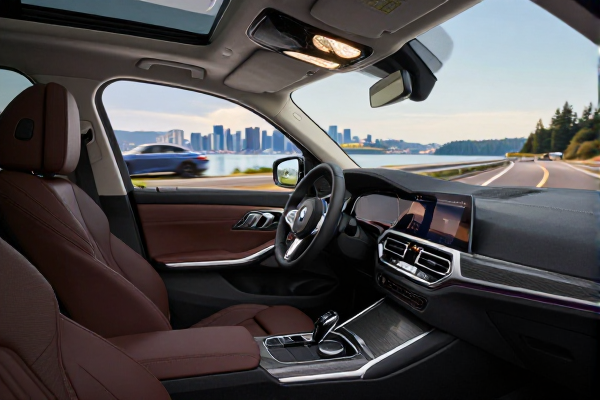
On July 10, 2024, BMW announced a major expansion of its safety recall in the United States, addressing a critical manufacturing flaw in engine starters that poses a severe fire hazard. This move escalates previous campaigns, underscoring persistent safety concerns across North American markets and prompting urgent action from federal regulators and consumers alike.
The recall now encompasses a broad range of recent BMW models sold in the U.S., reflecting a proactive response to potential risks uncovered during ongoing quality audits. Federal authorities, including the National Highway Traffic Safety Administration (NHTSA), have flagged the issue as high-priority, urging swift remediation to prevent accidents. This development follows parallel investigations in Canada and Europe, highlighting a global supply chain challenge for the automaker.
Affected vehicles primarily include luxury sedans and SUVs from the 2021 to 2026 model years, with specific models such as the 2 Series (2023–2025), 3 Series (2023–2024), 4 Series (2023–2024), 5 Series (2023), and Z4 roadster (2022–2026). The SUV lineup features the popular X3 (2021–2024) and X4 (2021–2025) crossovers. This expansion significantly increases the total number of U.S. vehicles involved, adding tens of thousands of units to earlier recall figures that initially targeted over 87,000 cars last year.
Investigations reveal that the engine starters were not manufactured to BMW's stringent specifications, leading to excessive heat buildup during operation. According to NHTSA documents, the defective components can overheat rapidly, creating ignition sources near flammable materials in the engine bay. This mechanical failure has been linked to multiple incident reports, though no injuries have been confirmed in the U.S. as of this update.
BMW is coordinating with authorized dealerships nationwide to replace the faulty starter assemblies free of charge. Owners will receive official notification letters by mail, detailing steps to schedule appointments for repairs. The automaker emphasizes that this full replacement, rather than a temporary fix, is essential to eliminate the fire risk long-term, learning from past issues where initial repairs proved ineffective.
In an exclusive insight, recent data from NHTSA filings indicates that BMW's U.S. recall now covers over 120,000 vehicles cumulative, with new batches added monthly as audits continue. Industry analysts note that this reflects heightened scrutiny under updated U.S. safety standards, which mandate stricter reporting for component defects. A BMW USA spokesperson confirmed that the company is prioritizing transparency and customer safety, with enhanced monitoring systems in place to track repair completion rates.
Owners are advised to take immediate precautions while awaiting repairs. BMW strongly recommends disabling remote start functions and avoiding leaving vehicles running unattended, as these practices can exacerbate overheating. In case of unusual smells or smoke, drivers should park safely, turn off the engine, and contact roadside assistance, as outlined in safety bulletins disseminated via BMW's digital platforms.
The broader implications of this recall extend to automotive supply chains, where quality control lapses in starter manufacturing have emerged as a recurring theme. Experts suggest that BMW's response could set a precedent for other automakers facing similar issues, potentially leading to industry-wide revisions in component testing protocols. Consumer advocacy groups are urging faster recall execution, citing past delays that compromised safety.
From a legal perspective, this recall may influence ongoing regulatory discussions in the U.S., with NHTSA considering tighter oversight on imported vehicle parts. Historical data shows that starter-related fires, while rare, have led to costly property damage claims, underscoring the need for robust defect detection systems. BMW's proactive stance, including voluntary reporting, is seen as a positive step toward rebuilding trust.
Looking ahead, BMW plans to roll out software updates for connected vehicles to alert owners of potential starter issues, complementing physical repairs. The company is also investing in advanced diagnostic tools for dealerships to spot early warning signs, aiming to prevent future recalls. This holistic approach aligns with evolving U.S. automotive safety trends, where technology and transparency drive consumer confidence.
For affected owners, staying informed through BMW's official website or NHTSA's recall portal is crucial. Regular maintenance checks and adherence to safety advisories can mitigate risks, as the automaker works to resolve the defect comprehensively. As recalls unfold, ongoing updates will be provided to ensure public awareness and compliance across the United States.