Browse

Log in / Register
 Share


May 9, 2026: Avery Dennison has refreshed its Indian paint protection film lineup with Spectrix color PPF, a film that combines the look of a color change with the impact resistance of a protective layer. The new program includes up to 12 years of protection, a four-year color warranty, four distinct warranty tiers, and an optional interior surface protection kit for high-wear cabin areas.
The update is a significant move for the U.S.-based materials company in a market where owners are increasingly asking for more than a clear film. Instead of choosing between a vinyl color change and traditional clear paint protection, buyers can now get a single installed layer that does both. Here is what changes, how the warranty structure works, and why the India rollout matters well beyond that market.
Spectrix color PPF is not a vinyl wrap and it is not a traditional clear bra. It is a paint protection film with pigmented color built into the structure, topped with the same kind of self-healing, stain-resistant clear layer found on premium PPF.
For an installer, the system is simpler than it looks. The film can be applied over factory paint, trimmed to the panel, and then heat-set so minor scratches and swirl marks can disappear over time. For the vehicle owner, the benefit is practical: the car’s original paint stays underneath, the exposed layer handles rocks, minor scrapes, UV exposure, and chemical staining, and the surface still carries a specified color finish.
That positions Spectrix as a middle option between a full respray and a color change wrapper. A respray is invasive and expensive. A vinyl wrap can change appearance but offers less protection against impact. Colored PPF is the kind of product that gives an owner a reason to skip both.
The updated India portfolio includes four warranty tiers. That may sound like paperwork detail, but it matters for buyers because warranty coverage is what turns a film from a surface product into a long-term investment.
The base tier covers the film against the weakest points in a normal install: lifting edges, bubbling, delamination, and early loss of gloss. Higher tiers expand that base with a longer protection window and more inclusive terms. The exact difference between each tier will depend on the authorized installer’s quote, but the structure is clear: a customer who plans to keep a car for four years does not need the same package as someone planning to hold it for a decade, and Avery Dennison has now made that choice explicit.
The 12-year protection figure is the headline number. It refers to the film’s expected functional life when installed by a certified professional and maintained properly. In the same way that a clear PPF warranty requires proper washing and care, Spectrix’s longer coverage is tied to installation quality and post-install maintenance.
The separate four-year color warranty is the detail that makes this launch stand out.
People have grown used to clear PPF. The bigger fear with colored film is that the shade will fade, yellow, or shift before the film physically wears out. A protective layer can still look fine after several years, but if the color refuses to stay true, the car quickly starts to look older than it is.
A four-year color warranty gives shop owners a direct answer to that objection. It also signals the company’s confidence in the pigments and UV stabilizers used in the Spectrix layer. Buyers get the 12-year protection window for impact and film integrity plus a separate four-year commitment on color retention. The combination is not common in the paint protection category.
The third piece of the refresh is the interior surface protection kit. While exterior PPF gets the attention, the interior of a modern vehicle is full of glossy screens, soft-touch plastic, and piano-black trim that scratch easily.
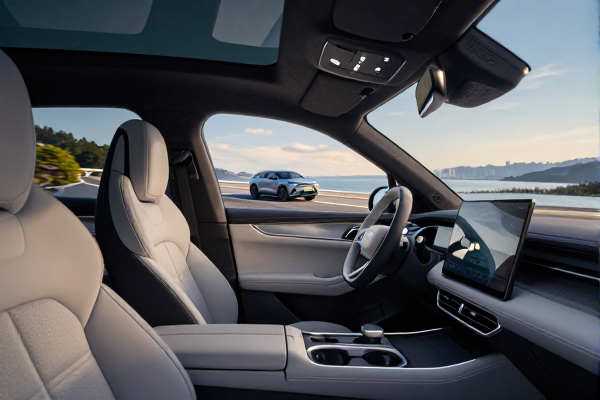
The kit is aimed at the cabin areas that take the most abuse: door sills, center console surfaces, touchscreen displays, trunk sills, and the trim around shifter or steering-wheel controls. Drivers drag bags across sills, rest keys near the console, and wipe smartphone screens against dashboard panels. The film gives those surfaces a sacrificial layer that can be peeled off when it becomes scuffed, without leaving permanent damage on the factory trim.
For detailers, it is also a revenue opportunity. An exterior Spectrix installation can be paired with interior surface protection in the same visit, raising the average ticket without requiring a second appointment.
The India rollout is not a small regional story. Avery Dennison is a major force in the North American film market, and Spectrix is part of a larger global push to make colored PPF a standard category rather than a custom add-on.
U.S. installers are still teaching many customers the difference between a wrap and a film. Paint protection specialists have spent years explaining why clear film should be installed on new cars before rock chips appear. Colored PPF changes the conversation because it gives the car owner a visible result beyond protection. For an enthusiast with a white or black car who wants a matte finish, colored PPF can deliver that look while also protecting the original paint underneath.
The India program also gives a preview of how Avery Dennison may package warranty options elsewhere. The four-tier structure is the kind of system that reduces confusion at the sales desk. Buyers can see what level of protection they are paying for, and installers can avoid vague promises.
Avery Dennison is entering a more crowded field than it did when clear PPF was the only serious option. Several film brands now offer paint protection, and the color side of the market is growing quickly. The question is no longer whether colored PPF will replace vinyl wraps. It is which film maker can make the strongest case for quality, ease of installation, and warranty support.
Spectrix gives Avery Dennison a differentiated product in that battle. By attaching a 12-year protection window and a separate color warranty to one film family, the company is trying to set the benchmark for how long a color film should be expected to perform.
From a shop perspective, the most important thing about this launch is not the film itself. It is the way it simplifies the sales process. A customer walks in wanting a color change. The shop can now offer a solution that also protects the car, instead of trying to push two separate products.
For owners, the value is long-term. A color PPF installation is typically more expensive than a vinyl wrap because the material costs are higher and the film needs the same careful surface preparation as clear PPF. But the payoff is that the paint below remains in better shape. When it is time to sell, the owner can remove the film or leave it on, and the factory paint underneath still tells a serviceable story.
The Indian market is a smart place to test that message because premium car buyers there face crowded driving conditions, narrow roads, and high exposure to debris. Those same conditions exist in many U.S. cities. New York, Los Angeles, Miami, and Houston all have traffic environments where paint damage is common.
The rollout in India is a signal of things to come. In the near term, watch for how authorized Avery Dennison installers in India communicate the four-tier warranty options. The more clearly they explain what is covered in each tier, the easier it will be for other markets to adopt a similar structure.
In the longer term, the bigger question is how quickly colored PPF becomes a default recommendation in premium dealerships. Right now, many dealers still present paint protection as a clear film option. Products like Spectrix give dealerships a way to talk about color personalization and protection in the same sentence.
That is why this India refresh deserves attention from the U.S. aftermarket. It is not just a new film color. It is a carefully constructed business model built around a film that protects, changes appearance, and backs the promise with a warranty structure. Avery Dennison has effectively raised the bar for what a paint protection launch should look like.
For now, owners who want color plus protection have a clearly defined option. For installers, there is a more straightforward way to sell both ideas at once. And for the wider PPF market, the message is simple: the era of choosing between a clear coat and a bold finish is over. The next generation of film aims to deliver both in one layer.