Browse

Log in / Register
 Share
Share

May 24, 2024 — In a significant reversal of its recent design philosophy, Audi has officially announced plans to phase out its current reliance on touchscreen-dominated interiors. The German automaker has committed to reintroducing physical buttons, knobs, and switches across its model lineup, with the transformation set to be implemented within the next 24 months. This decision directly addresses growing criticism from customers, automotive journalists, and safety advocates concerning the usability and distraction risks of all-touch control systems.
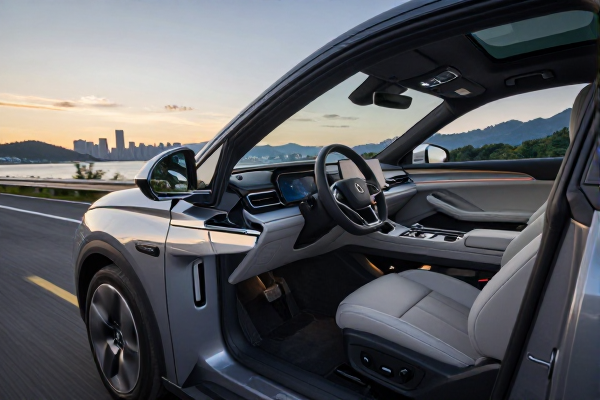
The pivot marks a notable departure from the sleek, minimalist aesthetic that has defined premium automotive interiors for the better part of a decade. Since the mid-2010s, Audi, along with many competitors, pursued a vision of futuristic cabins dominated by vast, glossy digital displays. This approach, often dubbed the "iPad on wheels" design, reached its peak with models like the current Audi e-tron GT and Q4 e-tron, where climate controls, audio settings, and even seat adjustments were integrated into touchscreens or haptic-feedback panels. While visually striking, this trend has faced a consistent and vocal backlash for compromising intuitive operation, especially while driving.
Audi's statement indicates the change is not merely a superficial tweak but a fundamental reassessment of the human-machine interface (HMI). The company cites extensive customer feedback and internal ergonomic studies showing that drivers prefer and perform better with tangible controls for frequent, core functions. "We understand that luxury is not just about visual appeal, but about intuitive, satisfying, and safe interaction," a senior Audi interior design engineer remarked in a recent briefing. "The tactile feedback, the ability to operate a control without looking away from the road—these are irreplaceable qualities for a driver-focused car."
This move by Audi is not happening in a vacuum; it reflects a broader, albeit nascent, industry correction. Brands like Mazda and Toyota have long eschewed full-touch systems for critical controls, citing safety. More tellingly, even other luxury marques are hinting at a pullback. Recent spy shots of upcoming Mercedes-Benz and BMW models show the return of physical climate control knobs, suggesting a collective realization that the touchscreen-only experiment has significant flaws. Automotive user experience (UX) experts hail Audi's clear timeline as the most definitive signal yet that the industry's touchscreen obsession has peaked.
The reintroduction of physical controls is expected to be executed with a focus on premium materials and refined haptics, blending the tactile satisfaction of traditional buttons with modern digital integration. Expect to see dedicated, high-quality knobs for volume and climate control, physical switches for drive modes and defrosters, and possibly even a return of the classic MMI control dial in some form. These controls will likely work in concert with digital displays, which will remain central for navigation, media browsing, and vehicle settings—areas where touch or voice input is more suitable.
Beyond user preference, safety is a paramount driver behind this shift. Numerous studies, including those from organizations like the AAA Foundation for Traffic Safety, have concluded that touchscreen systems can create significantly higher levels of cognitive and visual distraction compared to physical controls. By restoring buttons for primary functions, Audi aims to reduce driver workload and minimize eyes-off-the-road time, a critical factor as vehicles become more technologically complex. This proactive step may also help the brand navigate evolving safety regulations in regions like Europe, where governing bodies are increasingly scrutinizing driver distraction.
For consumers, this announcement is a clear win for functionality and safety. Prospective Audi buyers can look forward to future models offering a more balanced, less frustrating cockpit. The first vehicles featuring the new/old approach are expected to be facelifts of existing models launching in late 2024 and 2025, with the philosophy defining all-new models from 2026 onward. Audi's decisive pivot underscores an important lesson for the tech and automotive industries alike: true innovation should enhance, not complicate, the fundamental user experience. In the race to define the digital car cabin, the humble button is making a powerful comeback.