Browse

Log in / Register
 Share

Audi Launches Compact Electric Crossover to Revive European Sales
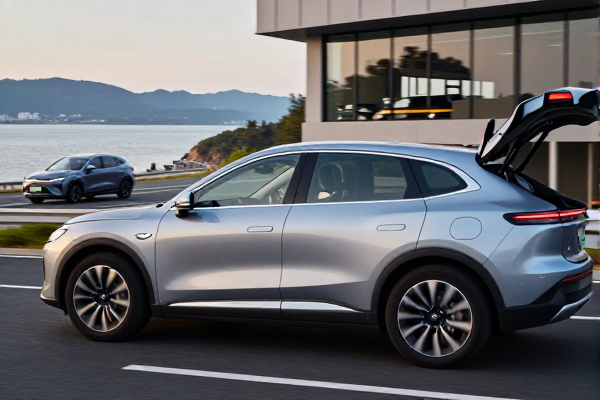
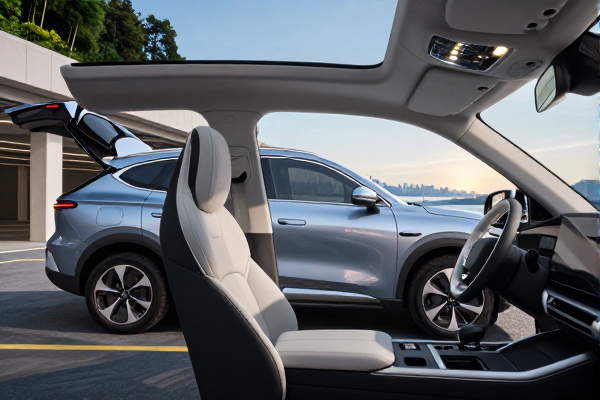
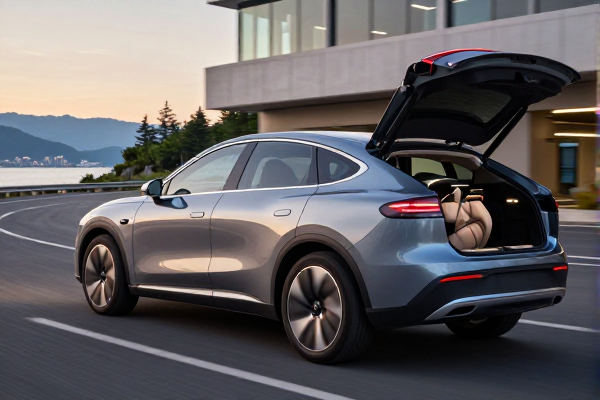
February 27, 2025 – German premium automaker Audi has officially unveiled a new compact electric vehicle (EV) aimed at strengthening its foothold in Europe’s smaller car segment, a move that analysts say is critical as the region’s EV market faces intensifying competition and slowing demand. The new model, internally code-named the “Q2 e-tron,” is expected to hit dealerships by late 2025, with a starting price around €35,000 ($38,000), directly targeting the mass-market sweet spot long dominated by the Volkswagen ID.3 and the Tesla Model 3.
The launch comes at a pivotal time for Audi. Despite a strong global reputation, the brand has struggled to gain traction in the compact EV space, where rivals like Tesla, Stellantis, and Chinese manufacturers have already established a presence. The new Q2 e-tron is designed to be a “gateway” EV for European buyers, offering a WLTP range of approximately 400 km (248 miles) and a 0-100 km/h sprint in under 7.5 seconds, according to company sources.
Targeting the Sweet Spot of European EV Demand
The decision to introduce a compact EV rather than a larger model reflects Audi’s strategic pivot toward volume segments. “The premium compact market is the largest growth category in Europe’s EV transition, and Audi has been conspicuously absent,” said Dr. Matthias Heinz, an automotive analyst at IHS Markit. “This car is not just about adding a model; it’s about re-establishing Audi’s relevance in the heart of the market.”
Audi’s previous compact EV efforts, such as the Q4 e-tron, were positioned as a crossover but started at a higher price point. The new Q2 e-tron will slot below that, with a more affordable entry-level trim. Initial reports suggest the car will be built at Audi’s Ingolstadt plant, leveraging the MEB platform shared with the Volkswagen ID.3, which should help keep costs down while allowing for a faster production ramp-up.
Competitive Landscape: Tesla, VW, and Chinese Rivals
The European compact EV segment is already crowded. The Tesla Model 3, despite being a sedan, remains the best-selling EV in many markets, while the Volkswagen ID.3 has struggled with software issues and declining sales. Chinese brands like BYD and MG are also encroaching, offering competitive specs at lower prices. Audi’s new model will need to differentiate on build quality, brand prestige, and a comprehensive charging ecosystem.
“Audi’s brand perception in Europe is still very strong, but that alone won’t guarantee success,” noted Sarah Lang, an EV market analyst at BloombergNEF. “The biggest challenge is convincing buyers to pay a premium for a compact EV when they can get a larger, more feature-rich car from a Chinese competitor for the same money.”
Market Context: European EV Sales Slowdown
The launch comes amid a broader slowdown in European EV sales. In 2024, EV registrations in the EU grew by just 12% year-over-year, down from 47% in 2023, according to the European Automobile Manufacturers’ Association (ACEA). Factors include reduced subsidies, range anxiety, and high interest rates. Audi’s move is seen as a bet that the market will rebound as charging infrastructure improves and more affordable models enter the fray.
“The compact EV segment is still the most promising for volume growth, but it’s also the most price-sensitive,” said Heinz. “Audi has to hit the right price-performance balance, and from what we’ve seen, they’re doing that.”
Exclusive Insight: Audi’s Battery Strategy
In a departure from earlier models, the Q2 e-tron will use a lithium iron phosphate (LFP) battery pack sourced from CATL