Browse

Log in / Register
 Share


(March 28, 2024) — The trajectory of automotive design is accelerating into a digital, electric future, with brands like Audi pushing boundaries. Yet, amidst the sleek surfaces and pixel-filled screens, some stubbornly analog relics persist, telling a deeper story about what makes design endure. A recent personal encounter with a current-generation Audi A6—specifically, a child's baffled inquiry about the humble cigarette lighter—sparked a deep dive into the forces shaping the next A6: the pull of futuristic AI visualization and the push of ingrained design heritage.
That moment of generational confusion was profound. To anyone born in the digital age, a dedicated port for igniting tobacco is an artifact as puzzling as a cassette deck. Yet, there it remains, a small chrome circle promising instant heat. Its primary function is largely obsolete, but its presence is not. This encapsulates a critical design truth: successful design often transcends its original, utilitarian purpose. It becomes part of a vehicle's tactile language, a point of familiarity and, ironically, a conversation piece about our changing times. It’s a lesson Audi’s designers are surely weighing as they chart the course for the brand’s pivotal models like the A6.
To understand where Audi is going, we must look at where its design philosophy has been. The brand’s modern renaissance is frequently traced to the original TT, a landmark that championed clean, uncluttered surfaces and geometric purity. It was a masterclass in "form following function" that felt radical yet rational. Today, a new wave is emerging, signaled by concepts like the Audi Nuvolari. This concept emphasizes a more sculptural, emotive language—sharper lines, pronounced shoulders, and a lighting signature that moves beyond mere illumination to become graphic communication. The Nuvolari received notably positive reactions, suggesting the market is ready for Audi to blend its renowned technical precision with greater artistic flair.
This evolution occurs against a backdrop of industry-wide upheaval. The shift to electric vehicle platforms liberates designers from traditional packaging constraints, allowing for more adventurous proportions and interior layouts. Simultaneously, the role of the designer is under a new microscope. The recent revelation of the electric Ferrari "Luce," penned by former Apple visionary Jony Ive, has ignited global debate about the intersection of tech minimalism and automotive passion. Every new concept car is now instantly dissected on social media by a global audience of self-appointed critics, a pressure previous generations never faced.
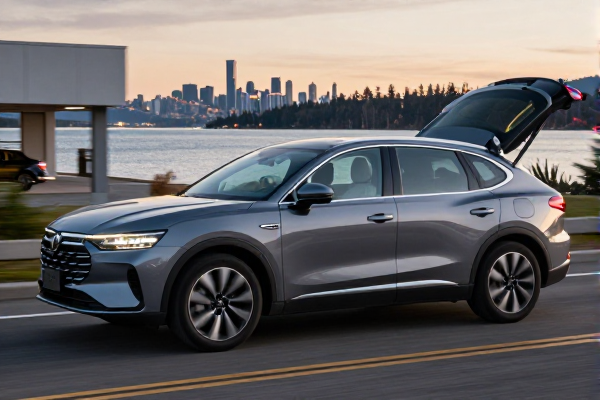
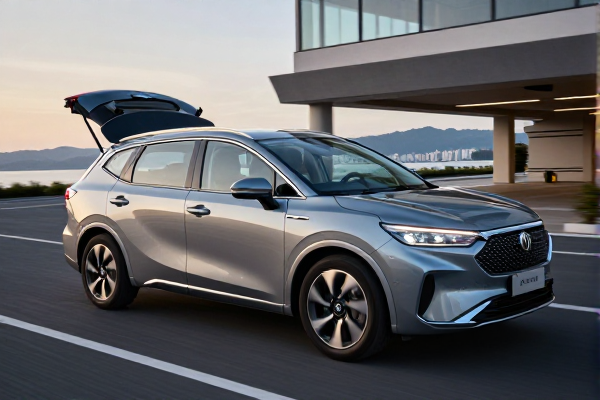
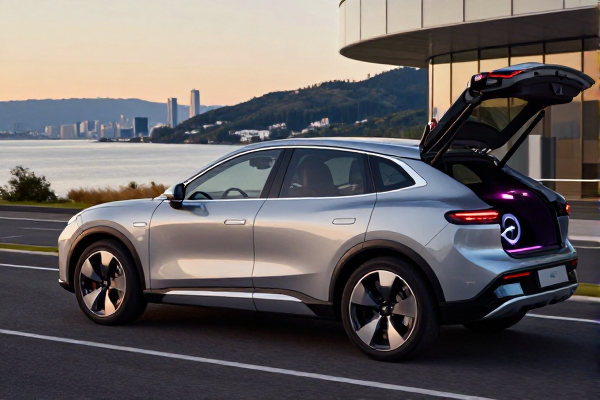
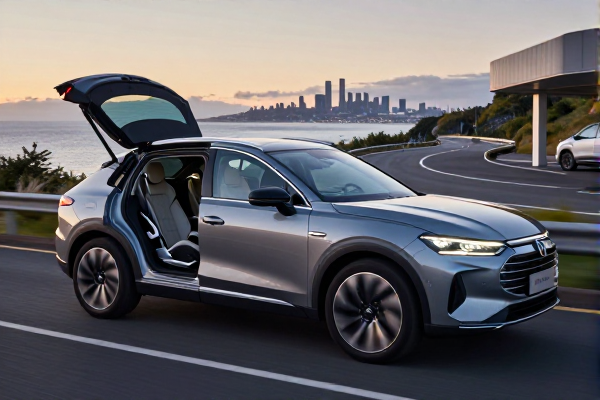
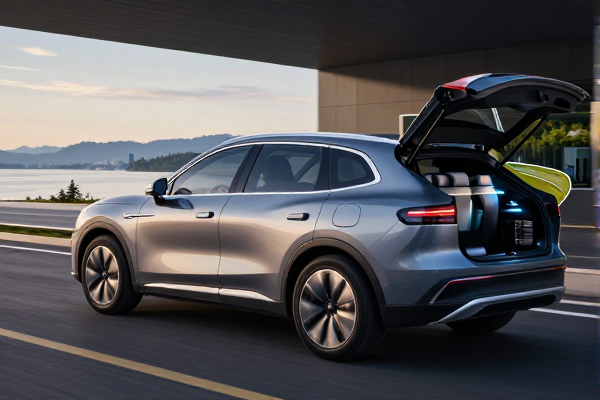
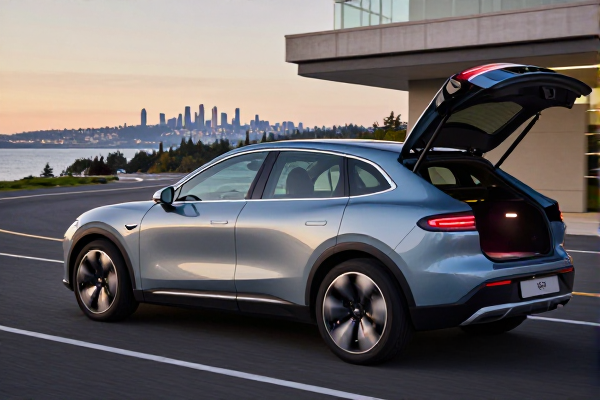
So, what does this mean for the next Audi A6? This is where speculative tools like artificial intelligence enter the conversation. By feeding AI models with keywords like "Audi Nuvolari," "electric sedan," "2028," and "progressive luxury," we can generate visual provocations of a potential future A6. These AI renderings typically extrapolate current trends: ultra-slim matrix LED headlights that stretch into dynamic daytime running patterns, a dramatically fast-raked Sportback silhouette to maximize aerodynamics, and a seamless "singleframe" grille that functions as an interactive display panel. The interior visions predict a " lounge" environment, where physical buttons are minimized in favor of expansive OLED screens and voice-activated controls, all bathed in sustainable materials and ambient lighting.
However, the most insightful part of this exercise isn't the flashy exterior predictions; it's questioning which elements of today's cabin will survive the transition. Will there be a volume knob? A physical door handle? Or, perhaps, a small, heated chrome circle? The AI can't answer that. This is where human design intuition and brand heritage must intervene. The future A6's interior will be a battleground between minimalist efficiency and the human need for tactile, intuitive interaction. The goal won't be to fill the car with nostalgic trinkets, but to identify which components, like the perfectly weighted click of an air vent or the satisfying glide of a center console cover, provide irreplaceable sensory satisfaction.
Exclusive Insight: The Sustainability Mandate Reshaping Form Beyond aesthetics and tech, a powerful, less-discussed force is fundamentally redirecting Audi's design future: the circular economy mandate. Audi's internal "Mission:Zero" environmental goals are not just about powertrains. Senior insiders suggest that by the time the next-generation A6 debuts, a significant percentage of its interior materials must be either recycled or sustainably sourced. This isn't just about using recycled plastics for unseen parts. We're likely to see novel, premium materials like chemically recycled nylon carpeting, seat upholstery made from recycled PET bottles processed to feel like fine wool, and trim elements crafted from reclaimed wood or polymers derived from industrial waste.
This sustainability drive will directly influence form. Designers can no longer simply select materials from a swatch book; they must design components for disassembly and reuse from the outset. A dashboard might be composed of modular, easily separable units to facilitate recycling. This constraint is paradoxically becoming a catalyst for innovation, pushing designers toward new textures, colors, and structural solutions that will define the "feel" of future Audis as much as any exterior line. The A6 will become a showcase for this new, responsible luxury.
In the end, the perfect A6 design will strike a delicate, three-way balance. It must first look unmistakably forward, leveraging EV architecture and digital interfaces to feel like a product of its time. Second, it must feel unmistakably like an Audi, carrying that lineage of quality, solidity, and technological clarity in its details and execution. Finally, and most subtly, it must feel right on a human level. It might retain a simple, satisfying rotary controller amidst a sea of screens, or a glove box that closes with a hushed, precise thud. Perhaps, in a nod to history and honesty, it will even keep a small, universal 12-volt socket—the direct descendant of our friend the cigarette lighter—not for tobacco, but as a humble, reliable portal for power in an increasingly wireless world. The future of design isn't just about what we add, but understanding what we wisely choose to keep.