Browse

Log in / Register
 Share


SUVs dominate the US market, but the humble wagon still offers a compelling blend of cargo space and driving dynamics. Audi’s A6 Avant, long a favorite among European enthusiasts, is now available in two electrified flavors: the A6 Avant e-hybrid (plug-in hybrid) and the fully electric A6 Avant e-tron. Both arrived in US showrooms in late 2024, and as of April 15, 2025, buyers face a genuine choice between two very different powertrains wrapped in nearly identical sheet metal.
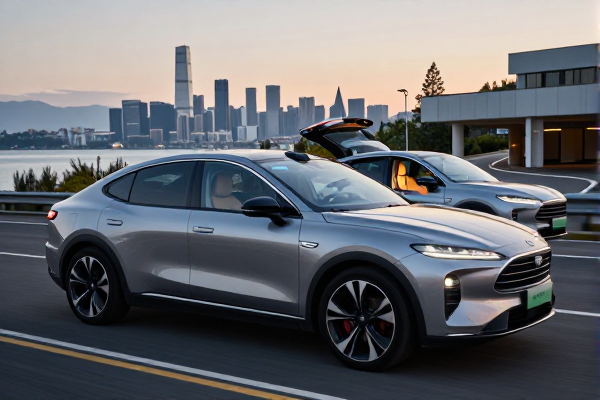
On the surface, these two cars look like twins. Both wear Audi’s slim, angry grille and sharp LED signatures. But underneath, they are fundamentally different. The e-hybrid keeps a 2.0-liter four-cylinder engine paired with an electric motor, while the e-tron is a ground-up EV on Audi’s PPE platform. Which one suits American drivers better? I spent a week with both to find out.
Performance and Driving Feel: Two Personalities
The A6 Avant e-hybrid produces 299 horsepower and 332 lb-ft of torque from its combined powertrain, sending power to all four wheels via Audi’s quattro system. It hits 60 mph in 5.9 seconds—respectable, if not thrilling. The e-tron Performance, the trim we tested, uses a single rear motor producing 367 hp and 435 lb-ft, reaching 60 mph in 5.2 seconds. The e-tron’s instant torque makes it feel quicker off the line, but the e-hybrid’s combustion engine provides a more familiar, linear power delivery.
On the highway, both cars are supremely quiet. The e-tron’s cabin is hushed at 75 mph, while the e-hybrid allows a faint engine hum under hard acceleration. On twisty back roads, the e-hybrid feels more planted thanks to its lower center of gravity (the battery is under the floor) and standard rear-wheel steering. The e-tron sits slightly higher, giving it a more SUV-like view but also a touch more body roll. Neither is a sports car, but the e-hybrid is the more engaging driver’s choice.
Range, Charging, and Real-World Efficiency
The e-hybrid’s 20.7 kWh battery provides an EPA-rated 53 miles of electric range—a meaningful figure for daily commutes. In our testing, we achieved 47 miles in mixed driving before the gas engine kicked in. Once the battery is depleted, fuel economy drops to about 35 mpg combined. The e-tron Performance, by contrast, boasts an EPA range of 425 miles, thanks to its 100 kWh battery. That’s class-leading, even beating the BMW i5 Touring’s 400 miles. During our 300-mile highway loop, the e-tron returned 3.8 miles per kWh, indicating a real-world range of around 380 miles.
Charging times differ dramatically. The e-hybrid can be fully charged on a Level 2 (240V) home charger in about 2.5 hours. The e-tron, with its 800V architecture, can go from 10% to 80% in just 21 minutes on a DC fast charger—tremendously convenient for road trips. However, public fast charging costs in the US average $0.45/kWh, which can erode the cost advantage of the EV.
Running Costs: The Math Shifts with Charging Behavior
To compare costs, we assumed 12,000 miles per year and used the US average electricity rate of $0.14/kWh for home charging (EIA, 2025). Gasoline is priced at $3.50 per gallon. For the e-hybrid, we assumed one full home charge per week (covering 53 miles) and the rest on gasoline. For the e-tron, we calculated three scenarios: 100% home charging, 50% home + 50% public fast charging ($0.45/kWh), and 100% public fast charging.
| Scenario | Annual Fuel/Energy Cost |
|---|---|
| A6 Avant e-hybrid (1 home charge/week + gas) | $1,285 |
| A6 e-tron (100% home charging) | $420 |
| A6 e-tron (50% home + 50% fast public) | $1,710 |
| A6 e-tron (100% fast public) | $3,000 |
The e-tron is dramatically cheaper when charged at home—nearly $1,000 less per year than the e-hybrid. But if you rely heavily on public fast chargers, the e-tron becomes more expensive than the plug-in hybrid. For drivers without access to home charging, the e-hybrid offers a more predictable cost structure.
Practicality and Interior: EV Wins on Space
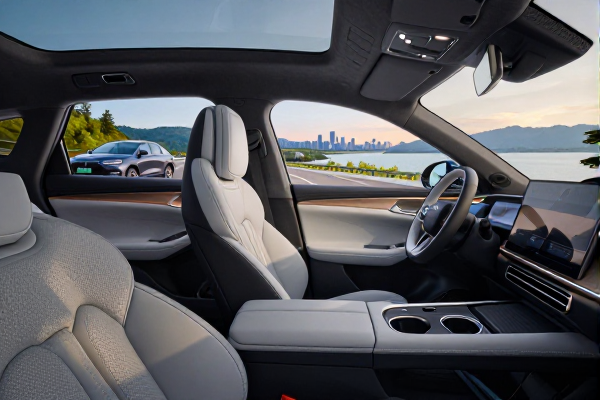
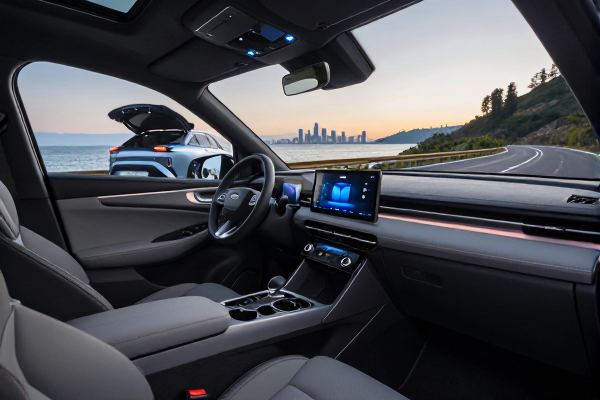
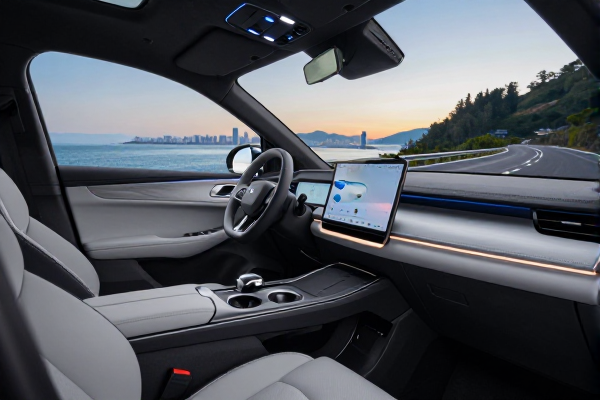
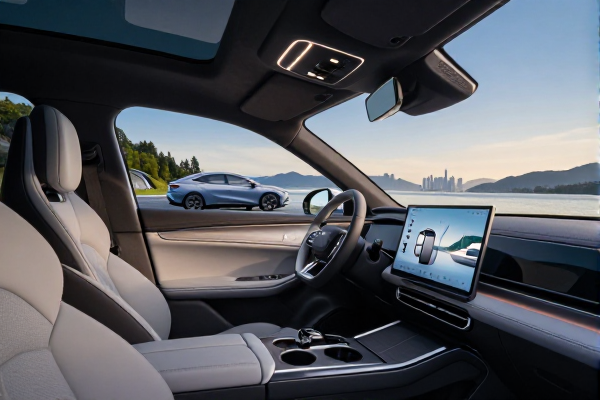
Both cars share the same dashboard layout: an 11.9-inch gauge cluster and a 14.5-inch center touchscreen. The infotainment system is responsive and supports wireless Apple CarPlay and Android Auto. However, the glossy black trim around the center console shows fingerprints quickly—a minor annoyance.
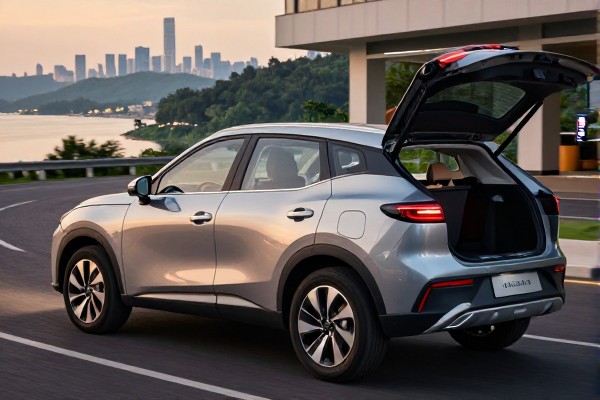
The e-tron offers a clear practicality advantage. Its cargo area measures 29.4 cubic feet with the seats up, expanding to 56.7 cubic feet with the rear seats folded. The e-hybrid, due to its battery pack, offers only 23.8 cubic feet—a reduction of nearly 20%. The e-tron also has a flat rear floor, making it easier to seat three across. Legroom is identical in both at 38.2 inches, but the e-tron’s slightly higher floor means thigh support is a bit less generous. Towing capacity is the same for both: 4,400 pounds.
US Pricing and Tax Incentives
As of April 2025, the A6 Avant e-hybrid starts at $62,995 (including destination) for the Premium trim, while the e-tron Performance starts at $69,995. The e-tron qualifies for the full $7,500 federal tax credit under the Inflation Reduction Act (assuming battery sourcing requirements are met), effectively bringing its price down to $62,495—lower than the e-hybrid. Additionally, several states offer rebates up to $2,000 for EVs. The e-hybrid does not qualify for any federal credit.
For company car users (fleet or business), the e-tron also offers lower depreciation due to higher demand, and many employers offer charging incentives. The e-hybrid’s higher maintenance costs (oil changes, more complex powertrain) also add up over time.
Verdict: Which Should You Buy?
The A6 Avant e-tron is the better choice for most American buyers who can charge at home. It offers lower running costs, more cargo space, and impressive range. The $7,500 tax credit makes it cheaper to buy than the e-hybrid, and the rapid charging network makes road trips feasible. For drivers in urban areas with access to workplace charging, the e-tron’s efficiency is unbeatable.
However, if you live in an apartment without home charging, or frequently travel through areas with sparse fast chargers (like parts of the Midwest or Mountain West), the e-hybrid provides greater peace of mind. Its 53-mile electric range covers most daily commutes, and the gas engine eliminates range anxiety. The e-hybrid is also slightly more engaging to drive and easier to maneuver in tight spaces.
For private buyers with a driveway and a cheap overnight electricity rate, the e-tron is the clear