Browse

Log in / Register
 Share

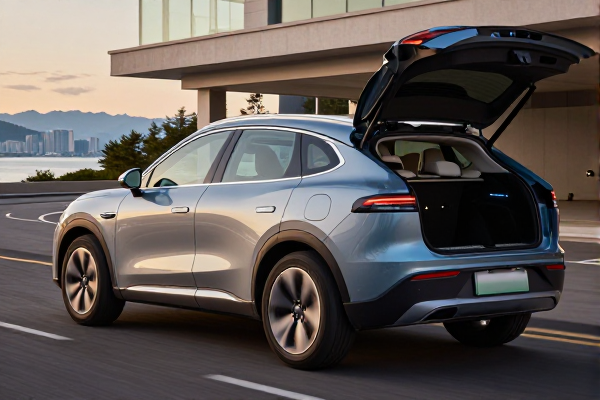
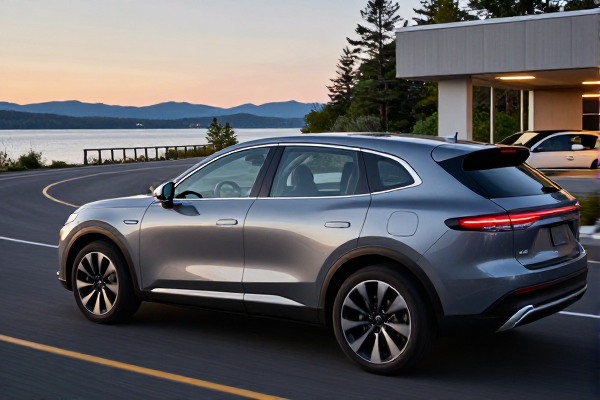
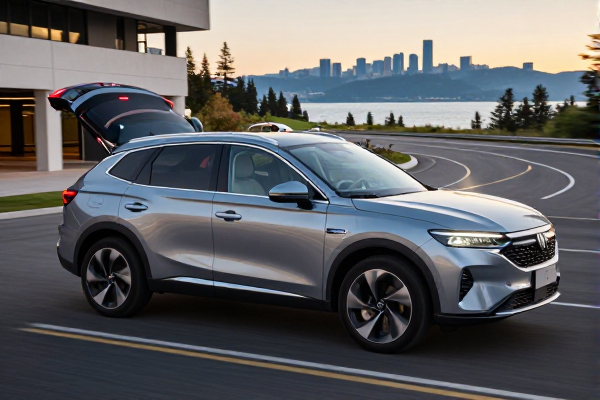
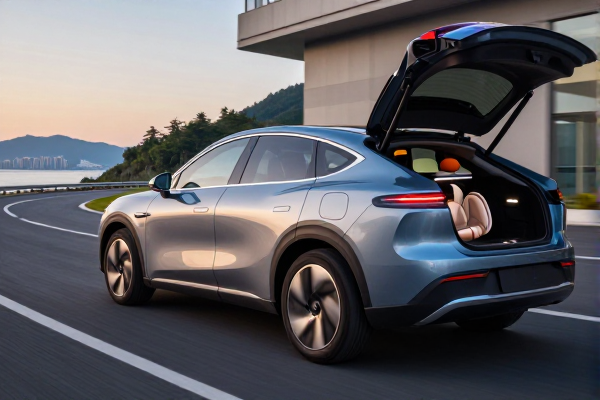
As of October 2025, Audi has confirmed that its highly anticipated A4 e-tron will not enter production before March 2029 — a nine-month setback from the mid-2028 target CEO Gernot Döllner gave earlier this year. The delay extends a nearly five-year gap since the combustion-powered A4 exited showrooms in 2024, leaving the brand without its core saloon and estate for an entire generation. The root cause isn’t the car itself — the production version stays faithful to the sleek saloon and Avant shapes previewed by the A4 e-tron concept — but the platform underneath.
The Scalable Systems Platform (SSP) was conceived in July 2021 as Volkswagen Group’s single answer to Tesla’s dominance. It was supposed to replace both the MEB architecture (used by the Q4 e-tron) and the 800V PPE (used by the A6 and Q6 e-tron) under a unified framework. The first vehicle, Volkswagen’s flagship Trinity saloon, was due in 2026. That date slid to 2028, then past 2030 — and Volkswagen’s own investor presentations still carried a “2026+” label as late as 2024. With SSP now targeting a start in early 2029, the platform lands roughly three years late. In response, Volkswagen has slashed the original eight planned SSP variants to just four, heavily increasing parts sharing to keep the program viable.
The technical trigger for the delay lies in a late-stage voltage change. Döllner insisted SSP run its onboard electrical system at 48 volts instead of the standard 12 volts the group has used for decades — a move that enables better computing performance and lighter wiring. But most European suppliers were tooled for 12-volt components, forcing a redesign of hundreds of parts. The bigger complication came from the zonal electronic architecture Volkswagen is buying through its $5.8 billion joint venture with Rivian. That architecture had to be re-engineered for 48 volts by a team nine time zones away in California. Tesla had already proven 48-volt feasibility on the Cybertruck in 2023, but making that decision after the Rivian platform design was locked turned a smart engineering choice into a one-year schedule hit.
The car Audi is delaying is already for sale in both Mercedes-Benz and BMW showrooms. Mercedes launched the electric C 300 (C-Class EV) across Europe in spring 2025, while BMW began building the Neue Klasse i3 in Munich this August, with customer deliveries starting this autumn. Audi’s stopgap for the next three-plus years is the larger A6 e-tron, built on the PPE platform, and the combustion A5 — a model that replaced the A4 in 2024 and now carries the entire midsize segment until 2029. Until recently, Audi CTO Rouven Mohr still publicly affirmed a 2028 launch for the A4 e-tron, suggesting the decision to delay was taken in the last few months.
Audi isn’t the only brand feeling the SSP delay. According to Handelsblatt sources, the electric Golf and ID.4 successor — both critical volume models for Volkswagen — have also slipped from 2026 to 2029. An electric T‑Roc is now expected no earlier than 2030. Volkswagen now describes SSP models built on Rivian technology as arriving “from the end of the decade.” In the meantime, Volkswagen relies on the updated MEB platform underneath the ID. Polo — a car already facing a ten-month order queue — to carry its mainstream EV ambitions. For Audi, its MEB and PPE models are no longer a “bridge to SSP”; they are the brand’s electric lineup for the remainder of the decade.
The SSP delay lands in the middle of Volkswagen Group’s deepest cost-cutting round in decades. The volume brands must cut €14.6 billion from development spending, while the premium brands around Audi need €11 billion in savings in the next planning cycle. On top of that, the group booked a €16 billion restructuring charge this month for planned plant closures and workforce reductions. Handelsblatt also reports an internal power struggle over a new group-wide chief technology officer position — a role that could centralize development authority away from individual brands — and Döllner is among the names considered. Audi’s official response calls the delays “normal adjustments in a development phase.”
Industry analysts argue the delays are far more than a typical development shift. By the time the first A4 e-tron rolls off the Ingolstadt line, the electric Mercedes C-Class will be due for a mid-cycle facelift, and BMW’s i3 will be entering its third model year with two major over-the-air software updates on an architecture that already shipped. Döllner’s 48-volt decision was sound engineering — Tesla resolved that debate three years ago — but implementing it after the Rivian architecture was already finalized is what turned the right answer into a year-long calendar slip. The four remaining SSP variants now must generate the returns that were promised when eight were planned.
The March 2029 date is just the headline. The real milestone is when the 48-volt supplier contracts — now being negotiated — are signed. Every month those contracts slip past the end of 2026 pushes the A4 e-tron further. If Handelsblatt’s sources are correct about a May 2029 start, the A4 e-tron arrives in the same year the combustion A5 receives its mid-life update. That would mean Audi goes five full years without the badge that built its modern reputation — and the Q4 e-tron, built on a platform Volkswagen called a stopgap in 2021, will have outlived its own replacement date by four years.