Browse

Log in / Register
 Share


Electric vehicles offer instant torque, whisper-quiet rides, and zero tailpipe emissions, but owners are increasingly raising their voices about a different kind of noise: the frustration caused by poorly designed features. As automakers race to digitize every aspect of the driving experience, three recurring annoyances have emerged as the top complaints in recent owner surveys and forums.
Dated: February 26, 2025
Driven by cost-cutting, minimalist aesthetics, and influencer-driven hype, many modern EVs prioritize novelty over practicality. The result? Essential tasks become unsafe, cabins are filled with constant chimes, and the unique advantage of electric powertrains is undermined by gimmicky simulations.
Below, we break down the three most irritating features in today’s electric cars, why automakers introduced them, and what’s finally being done to fix them.
1. The Touchscreen‑Only Trap
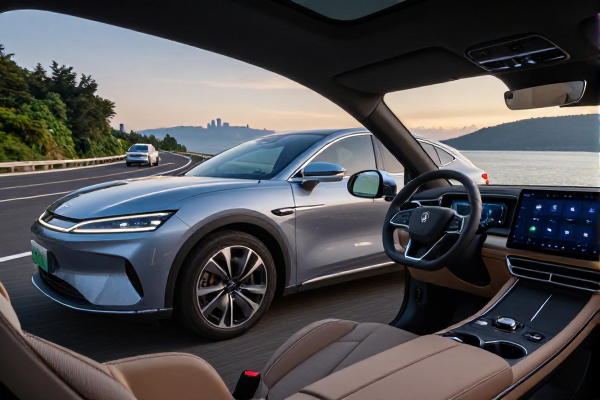
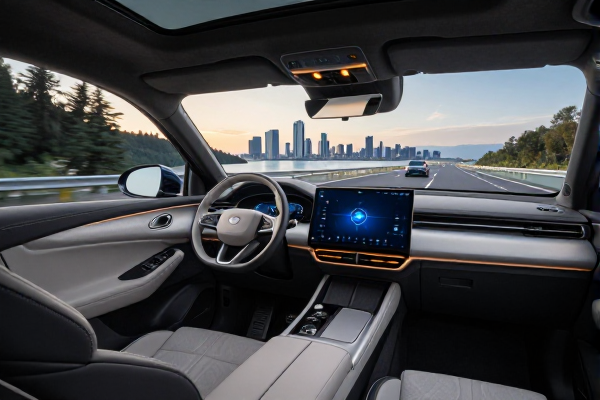
The most widespread complaint is the elimination of physical buttons for basic functions. Automakers have moved adjustments for side mirrors, glovebox openings, climate control, and even windshield wipers into layered touchscreen menus. This forces drivers to take their eyes off the road for simple tasks that used to be muscle memory.
A 2024 study by the American Automobile Association (AAA) found that using touchscreen controls for common functions increases driver distraction time by up to 40 seconds per task. Without tactile feedback, a single tap can be missed, requiring multiple glances away from traffic.
The backlash has grown so loud that safety organizations are intervening. In 2025, Euro NCAP—Europe’s leading crash‑test authority—will introduce stricter scoring criteria that require physical switches for turn signals, hazard lights, windshield wipers, and horn operations to earn a five‑star rating. While the rule only applies to new models sold in Europe, global automakers often standardize interiors across markets, so U.S. drivers may benefit from safer cabins sooner than expected.
Some manufacturers are already backtracking. Volkswagen’s ID.4 received heavy criticism for its all‑touch climate controls, and the 2025 refresh reinstates a physical volume knob and window switches. Hyundai’s Ioniq 6 still hides most controls in the screen, but the updated Ioniq 5 N adds dedicated buttons for drive modes.
2. The Never‑Ending Symphony of Beeps and Alerts
Modern EVs pack a suite of Advanced Driver Assistance Systems (ADAS) to meet safety regulations, but the calibration often creates more stress than safety. The Intelligent Speed Assist (ISA) pings continuously when the car exceeds the posted limit by even 1 mph. Lane‑keeping warnings vibrate the steering wheel aggressively on narrow roads or when avoiding debris. Driver monitoring cameras chime if the driver looks away for more than a second.
The cumulative effect is driver fatigue. A 2025 survey by Consumer Reports indicated that 68% of EV owners disable at least one ADAS feature on every trip, and many find that the settings reset after the car is turned off—forcing them to repeat the deactivation process each time.
Regulators are aware of the problem. The National Highway Traffic Safety Administration (NHTSA) is currently reviewing driver fatigue complaints related to excessive alerts, and some automakers are rolling out software updates to allow one‑time permanent disabling of non‑critical warnings. For example, Tesla’s 2024.44 update introduced a “chill” mode that reduces the frequency of lane‑keeping nudges, but the ISA warning remains mandatory in Europe.
3. Fake Engine Sounds and Simulated Gear Shifts
Because electric motors are virtually silent, regulations require Acoustic Vehicle Alerting Systems (AVAS) at low speeds for pedestrian safety—a reasonable measure. However, several brands take it far further by pumping artificial engine noises into the cabin, and even simulating gear shifts, complete with fake downshift pops.
While performance models like the Ford Mustang Mach‑E GT and Hyundai Ioniq 5 N offer these as optional “fun” modes, the default settings on many mainstream EVs (such as the BMW i4 and Mercedes‑Benz EQS) play a continuous futuristic hum that can become grating during daily commutes.
Enthusiasts argue that simulating internal combustion engine behavior defeats the core advantage of EVs: smooth, linear acceleration without gear changes. A 2024 study by the University of Michigan found that 54% of EV owners consider artificial engine sounds “gimmicky” and would prefer complete silence inside the cabin, with the option to disable the external warning sound.
Some automakers are listening. The 2025 Volkswagen ID. Buzz has a “silent running” mode that turns off all interior fake sounds, while keeping the mandatory low‑speed pedestrian alert. Porsche’s Taycan offers a “Sport Sound” that is more subtle and can be permanently disabled through the settings.
What’s Next?
The automotive industry is slowly waking up to the fact that technology should serve the driver, not the other way around. With Euro NCAP’s physical‑button mandate taking effect in 2025, and growing pressure from NHTSA and consumer groups, we can expect to see more physical controls, smarter alert systems, and a retreat from unnecessary simulations.
For now, buyers should test‑drive potential EVs with these three annoyances in mind. Look for models that still offer physical buttons for critical functions, allow permanent disabling of non‑essential warnings, and give you the choice to enjoy true electric silence. The best EV is the one that disappears under your fingertips—not the one that constantly demands your attention.