Browse

Log in / Register
 Share

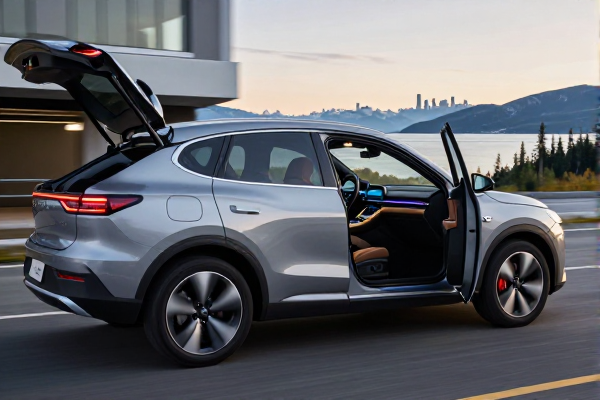
On May 24, 2025, a black bear in Alaska accidentally locked itself inside a parked car and shredded the interior before police could release it. The animal apparently climbed through a slightly open window and triggered the power lock while trying to turn around. No people were nearby, and no injuries were reported. The vehicle, however, is a different story.
The incident unfolded outside a residence, according to local authorities. When officers arrived, the bear was already in the driver’s seat, scratching at the door handle and biting the steering wheel. It had moved through the front and back seats, leaving tufts of foam and fabric scattered across the floor mats. A rear window was covered in claw marks, and the center console was pulled apart.
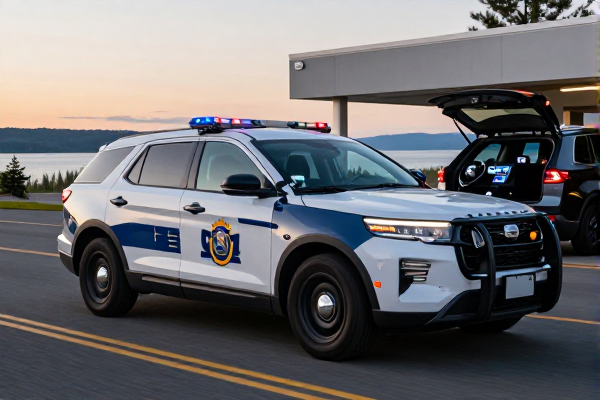
Rescuers were able to open the passenger side door with a remote key and a long pole. They stayed behind the vehicle, giving the bear a clear escape route. After a few tense moments, the bear jumped out, ran past a fence, and disappeared into a wooded area. Police later said the bear appeared healthy and was not injured.
This type of scene is not as rare as it sounds. Bears operate mostly by smell. A single forgotten granola bar under a seat can make a vehicle smell like a food cache. Once a bear figures out how to open a door handle or reach through a cracked window, it will try again.
Wildlife experts in Alaska describe this as learned behavior. If a bear finds food in a car once, it will treat every car in the area as a potential food source. That is why the damage is rarely limited to the vehicle in front of you. The bear is memorizing the parking lot, the driveway, and the trailhead.
The bear in this case was probably not acting out of aggression. It was exploring a strong smell, got startled, and then panicked when it could not get out. A car interior is small, enclosed, and full of human scent. For a scared bear, that combination triggers destructive escape behavior. It will claw at windows, bite at seat belts, and tear through anything that blocks the way.
The owner is now looking at one of the most expensive car repairs an Alaska resident can face: replacing everything an animal has clawed. Seats, seat belts, airbag sensor wiring, and interior trim often cost several thousand dollars. If urine or saliva gets into the insulation, repair shops may have to strip the entire cabin and replace the carpet.
Insurance companies typically treat animal damage as a comprehensive claim, but not every policy covers it. Drivers with older cars sometimes choose to pay out of pocket. Either way, the bill goes up when the damage includes door panels and electronic components, because those parts are rarely available separately.
The visual damage is also hard to hide. Ripped upholstery and scratched plastic do not wear out with time. They just sit there, reminding the owner every day how one small mistake—leaving a window open a few inches—can turn a commuter car into a chew toy.
The bigger concern is what this bear learned. Alaska wildlife officials often say that a fed bear is a dead bear. Once a bear starts linking cars to food, it will keep checking parked vehicles along driveways, trailheads, and campgrounds. That raises the chance of someone surprising the bear, or the bear becoming too comfortable around people.
In cases where a bear has entered a vehicle, residents are advised to contact the local police or wildlife office before trying to scare it off. A bear inside a car is still a wild animal. It may not know how to use the door handle, but it will react instantly to anything that moves near it.
Alaska’s bear safety guidance comes down to one rule: make the car smell like nothing and look like a hard target.
It also helps to leave the back seat empty and the glove box clean. Bears are strong enough to open a sliding door or a partially latched door. A car that has nothing to offer, and no easy way in, is much less likely to be searched.
The worst reaction is to rush toward the vehicle. A trapped bear may claw or bite anything that gets close. Officers in this latest call kept their distance and gave the animal a clear path out. That calm approach is exactly why the bear ran for the woods instead of charging anyone.
People should not try to open the door and shoo the bear out. Should not shout directly at it. Should not try to grab its paw or pull it by the tail. Even a small black bear is capable of causing serious injury in a cramped space. The safest move is to stand at a distance, call 911 or the nearest wildlife office, and wait for someone who has the tools and the training.
This strange call ended about as well as it could have. The bear escaped into the woods, police cleared the scene, and no one was hurt. The only lasting victim was the car’s interior, which now looks like a demolition site in miniature.
For the people in that household, the next car ride will include a hasty check of the back seat, the floor mats, and the door locks. It is the newest version of an old Alaska warning: a car is only as safe as its owners leave it.