Browse

Log in / Register
 Share


June 1, 2025 – As temperatures across the United States climb into the 90s and beyond, the American Automobile Association (AAA) has released a critical summer driving checklist, debunking common myths and warning motorists about actions that could lead to fines, arrests, or even life-threatening situations.
AAA, the nation’s most respected automotive organization, addressed several behaviors that drivers often consider harmless during hot weather. One of the most surprising? Sleeping in your car after a night of drinking.
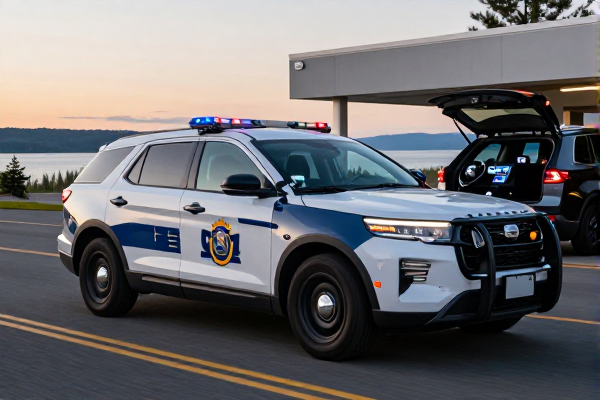
Many drivers mistakenly believe that if they’re too drunk to drive, sleeping it off in the back seat is a safe, legal alternative. AAA says this could actually land you behind bars. Under U.S. law, being “in actual physical control” of a vehicle while intoxicated can result in a DUI charge—even if the engine is off and you’re asleep.
“Police will consider where you’re sitting, whether the keys are in the ignition or within reach, and whether you could realistically start the car,” said a AAA spokesperson. “In many states, just being in the driver’s seat with keys nearby is enough to charge you with DUI.”
Additionally, during summer heatwaves, a parked car can become lethally hot within minutes, reaching internal temperatures of 140°F or more. “Sleeping in a car on a hot day is not only illegal but extremely dangerous,” the spokesperson added.
Another common summer question: Is it okay to drive in just a swimsuit? AAA clarified that there is no law against it, but it raises safety concerns. Wet swim trunks can make it harder to operate pedals, and the distraction of adjusting a wet suit can lead to accidents. “You won’t get a ticket for wearing a swimsuit, but you could get one for careless driving if you’re distracted,” the spokesperson warned.
With pavement temperatures soaring, many drivers see dashboard warning lights for tire pressure. AAA strongly advises against deflating tires. “When temperatures drop overnight, that low pressure can become dangerously underinflated, leading to blowouts,” said a AAA tire expert. Instead, drivers should check tire pressure when tires are cold (in the morning or after the car has been parked for a few hours) and adjust according to the manufacturer’s recommendation.
AAA also reminded drivers to stock an emergency kit tailored for summer heat. Essential items include:
“Getting stranded on a roadside in 95°F heat without water is a recipe for heatstroke,” the spokesperson said. “A simple kit can save lives.”
AAA also highlighted that extreme heat can cause drowsiness and dehydration, impairing reaction times. Drivers should take breaks every two hours or 100 miles, and avoid driving during the hottest part of the day (12 p.m. to 4 p.m.) if possible.
According to the National Highway Traffic Safety Administration (NHTSA), the months of June, July, and August typically see a 15% increase in fatal crashes compared to the rest of the year, partly due to heat-related impairments and more recreational driving. AAA urges drivers to plan ahead, never drive under the influence, and stay alert.
AAA also offered a fresh tip for EV owners: high temperatures can reduce battery range and increase charging times. Parking in the shade and preconditioning the cabin while plugged in can help preserve battery life.
For more information on summer driving safety, visit AAA’s website or your state’s department of motor vehicles.
Disclaimer: This article is for informational purposes only. Laws vary by state. Always consult local regulations and AAA for the most current guidance.