Browse

Log in / Register
 Share


Date: March 18, 2025
The path to becoming a millionaire isn’t paved with lottery tickets or crypto moonshots. According to the latest data from the Federal Reserve’s Survey of Consumer Finances, the median net worth of millionaire households in the U.S. is $1.2 million—and the vast majority didn’t inherit it or score a windfall. They simply made a handful of deliberately boring financial decisions and stuck with them for years.
While everyone else is chasing hot stocks or upgrading their lifestyle with every raise, future millionaires are quietly doing the opposite. They automate their savings, drive cars long past their prime, and refuse to panic when the market dips. These five money moves aren’t flashy. They’re not complicated. But they’re relentless—and that’s precisely why they work.
“Millionaires aren’t better investors—they’re better at not interfering with their own plans,” says Gautham Jain, a certified financial planner and founder of Jain Wealthonomics. A 2024 study by Vanguard found that investors who stayed fully invested during the 2022 bear market recovered their losses within 14 months, while those who tried to time the market missed an average of 27% of the subsequent rally.
Jain emphasizes that the real skill is keeping emotions in check. “It means not panic-selling when the S&P 500 drops 10%, and not chasing last year’s top-performing sector. Markets reward patience and punish reactionary behavior.” Future millionaires make one decision—to be investors—and never renegotiate it, regardless of headlines.
Discipline sets the intention, but systems make it automatic. “The only way to beat your own temptation is to remove the chance to be tempted,” Jain says. Millionaires automate their investments, funneling a fixed percentage of every paycheck into low-cost index funds—typically target-date or total-market ETFs.
A 2025 report from Charles Schwab confirms that automated investors accumulate 2.5 times more wealth over 20 years than those who manually allocate. “The machine runs whether you’re paying attention or not,” Jain adds. “The biggest threat to a good plan is a human who thinks they can outsmart it.”
Your first big raise is a fork in the road. Most people immediately upgrade their lifestyle: new car, luxury apartment, dining out twice a week. Future millionaires don’t. Chris Diodato, a Chartered Financial Analyst and founder of WELLth Financial Planning, warns that lifestyle inflation is the silent wealth killer.
“The most important number isn’t your income—it’s the gap between what you earn and what you spend,” Diodato says. Data from the Bureau of Labor Statistics shows that high-net-worth households save an average of 35% of their income, compared to just 7% for the typical American family. The key is to delay the purchase of depreciating assets until your savings rate is already secured.
This point often sparks debate, but the numbers are hard to ignore. Raising a child to age 18 now costs nearly $310,000 on average, according to the USDA’s 2024 expenditure report. Childcare alone averages $332 per week in 2025, per Care.com—that’s over $17,000 a year.
Diodato suggests that waiting until your late 20s or early 30s, when your income is more stable and savings buffer is in place, can prevent debt accumulation. “Having kids is wonderful, but doing it before your finances can absorb the shock often pushes back retirement by a decade,” he says. Future millionaires budget for children the same way they budget for retirement—proactively.
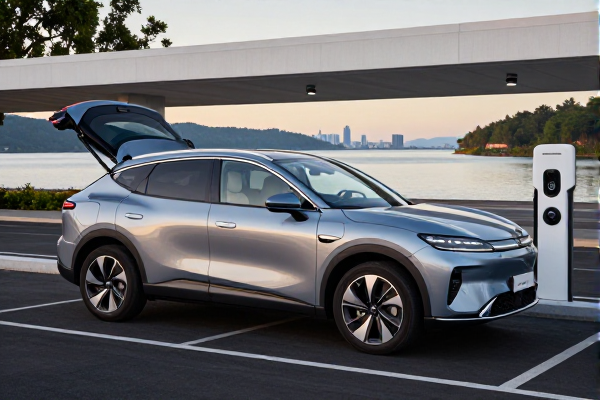
A sleek new car is a status symbol. A used, reliable car is a wealth-building tool. In August 2024, the average new car price exceeded $50,000, while a used car averaged just $27,239, per Kelley Blue Book. But the savings go beyond the purchase price: lower insurance, cheaper registration, and fewer depreciation bites.
Diodato points out that many people trade in a perfectly good car because they’re bored or want the latest model. “That trade-in cost could be $10,000 every three years. Invest that instead, and you’re looking at an extra $1 million by the time you retire,” he says. Millionaires see a car as transportation, not an identity.
If you ask 100 millionaires how they got there, 98 will tell you the same thing: consistency, patience, and letting time do the work. They didn’t chase returns; they automated contributions. They didn’t upgrade their house with every promotion; they kept their lifestyle frozen. They drove used cars, delayed expensive milestones until they could afford them, and never tried to outsmart the market.
Start making these five moves today. Set up your automatic investments, resist the urge to spend more as you earn more, and keep your car another five years. Wealth isn’t built on exciting decisions—it’s built on the ones you barely notice making.