Browse

Log in / Register
 Share

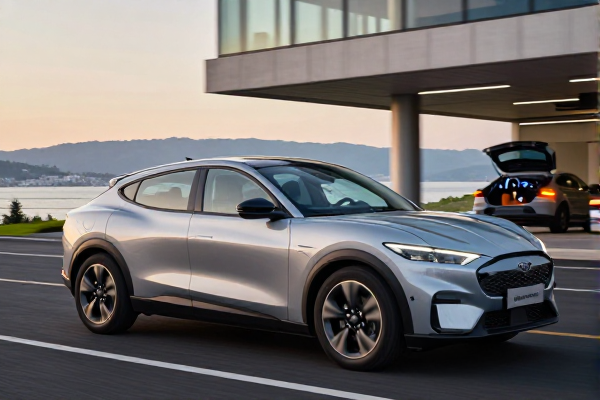
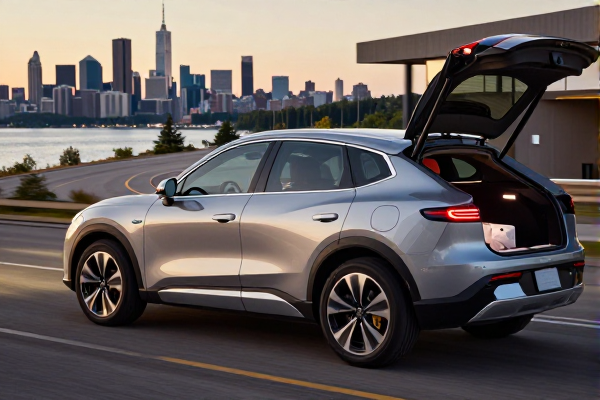
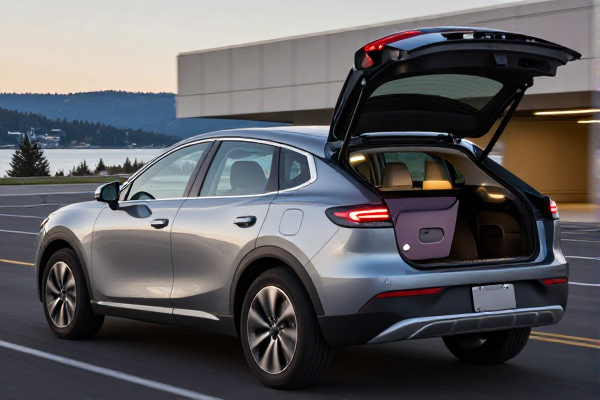
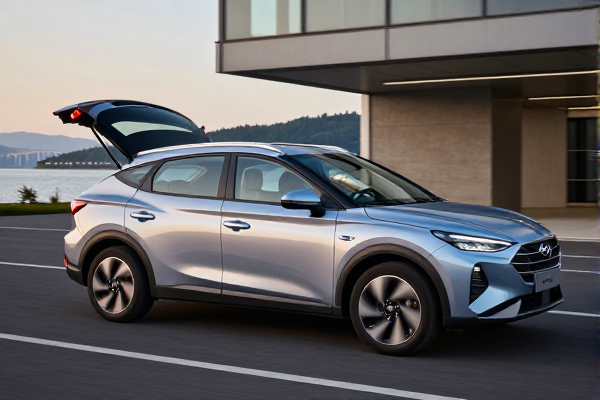
When Ford put the Mustang badge on an electric crossover, enthusiasts had plenty of opinions. But the Mach-E has done more than just survive the criticism. The GT trim, equipped with the Performance and Handling Package, runs to 60 mph in 3.3 seconds and delivers the kind of instant torque that used to be reserved for six-figure supercars. It also offers up to 320 miles of EPA range, a Top Safety Pick+ rating from the IIHS, and a starting price that undercuts much of the premium EV market.
As of April 10, 2026, though, the Mach-E GT is no longer the benchmark it once was. Buyers shopping with a stopwatch have more choices than ever, and a handful of EVs now beat Ford's pony car off the line without sacrificing everyday practicality.
We compared acceleration, charging capability, range, and real-world usability to find four EVs that are quicker than the Mach-E GT. Here they are, arranged from the most accessible to the most extreme.
Hyundai's N division didn't simply tune the standard IONIQ 5. The 5 N is a ground-up performance EV, with a dual-motor setup that produces 641 horsepower and a 0-60 time of 3.25 seconds. That's only a hair quicker than the Mach-E GT, but the way it gets there feels completely different. The 5 N wants to be driven hard, and it gives you the tools to do it.
N Drift Optimizer includes beginner through professional levels, N Pedal sharpens throttle response, and N Torque Distribution lets you choose how much power goes to each axle. The rear eLSD can shuffle up to 1,800 Newton-meters of torque between the rear wheels, helping the car stay planted through corners where most crossovers would push wide.
Range, however, is not its strong suit. The 5 N is rated at about 221 miles, and you'll see far less if you use any of the performance modes. But Hyundai's 800-volt architecture means a 10-to-80-percent charge takes roughly 30 minutes at a DC fast charger. There's also a NACS port built in, so Tesla Superchargers work without an adapter.
The IONIQ 5 N starts at $59,900 plus freight. That's about $6,500 above a fully loaded Mach-E GT, but you get a track-focused suspension, larger brakes, and one of the most configurable stability-control systems in any production EV. If you want a weekend toy that still seats five and hauls luggage, it's hard to beat.
Tesla remains the best-selling EV brand in the U.S., and the Model 3 is a big reason why. You don't need the Performance trim to enjoy the Model 3, but you do need it if you want to outrun a Mach-E GT. This version makes 510 horsepower, hits 60 mph in 2.9 seconds, and tops out at 163 mph.
What makes the Performance model interesting isn't just straight-line speed. Track Mode lets you adjust handling balance and regenerative braking on the fly, and the lightweight wheels, carbon fiber spoiler, and retuned chassis make it genuinely involving. Range is solid at 309 miles, and Tesla's Supercharger network remains the most reliable fast-charging option in North America. In 15 minutes, you can add about 162 miles of range.
The cabin is minimal in a way some people love and others find cold. There are ventilated sports seats, carbon fiber accents, and separate rear displays for climate control and entertainment. Full Self-Driving (Supervised) is an optional subscription at $99 per month, and you can test it before committing.
Pricing for the Performance trim is $54,990 at the time of this writing. Tesla's prices shift often, so check the online configurator for inventory discounts. But for a quick, efficient, and practical EV sedan, the Model 3 Performance is still the default choice—provided you're comfortable with Tesla's ownership experience and service network.
Then there's the Lucid Air Sapphire. Lucid built this version in limited numbers in 2024, and it remains the quickest EV Car and Driver had ever tested at the time. Three motors combine for 1,234 horsepower and a 0-60 time of 1.89 seconds. That's roughly a second and a half quicker than the Mach-E GT. The 2026 model carries the same powertrain and performance.
The price, though, is eye-watering. The Sapphire originally listed at about $250,000, and the 2026 model still hovers near that mark. Used examples are rare, and at the time of writing, Lucid's own certified pre-owned site has no Sapphires available. If you find one, expect to pay close to original MSRP.
What do you get for the money? A 34-inch glass cockpit, four driving modes (Smooth, Swift, Sapphire, and Track), and a Track mode that preconditions the batteries and splits into three sub-modes. There are also carbon-ceramic brakes and a revised suspension with new dampers and bushings.
The Sapphire's range is equally impressive: 427 miles on a full charge, which beats the Mach-E GT and most other performance EVs. The 2026 model adds access to Tesla Superchargers and more driver-assistance features. This isn't a rational purchase for most people. But if you want the fastest production EV and don't care about the cost, the Lucid Air Sapphire is the one to beat.
If you need pickup truck capability and supercar acceleration, the Rivian R1T is in a class of its own. The tri-motor Performance version makes 850 horsepower and hits 60 mph in 2.9 seconds. The quad-motor Quad model throws in 1,025 horsepower and cuts that time to 2.5 seconds. Both require Launch Mode to reach those numbers.
Range isn't a weakness here. The Performance model is estimated to go 371 miles, while the Quad version goes 374 miles. That's more than the Mach-E GT. The R1T also benefits from Rivian's adaptive air suspension, which keeps the ride composed whether you're on a rough trail or a smooth highway. One-pedal driving works well, and the cabin is practical without feeling spartan.
The R1T starts at $100,990 for the Performance trim and $115,900 for the Quad. That's significant money, but you're getting a genuine truck, not just a lifted SUV. There's a gooseneck tailgate hinge, built-in power outlets, an integrated flashlight, and Gear Guard, a security system that uses 360-degree cameras to watch your cargo. For outdoor enthusiasts who also value straight-line acceleration, no other EV comes close.
If the only number that matters is the 0-60 time, the Lucid Air Sapphire wins. For most buyers, though, the Tesla Model 3 Performance offers the best mix of speed, range, and charging infrastructure. The Hyundai IONIQ 5 N is the enthusiast's pick, with adjustability that no Tesla can match. And the Rivian R1T is the fastest way to carry a dirt bike or a load of lumber while beating a Mustang off the line.
One trend is worth watching: every one of these vehicles can now use Tesla Superchargers, thanks to the industry-wide shift to NACS. That's a bigger practical advantage than an extra tenth of a second. The Mach-E GT remains a great electric SUV—but in 2026, it's no longer the fastest or the most exciting option in its price range. The real question is which of these quicker alternatives fits the rest of your life.