Browse

Log in / Register
 Share
Share

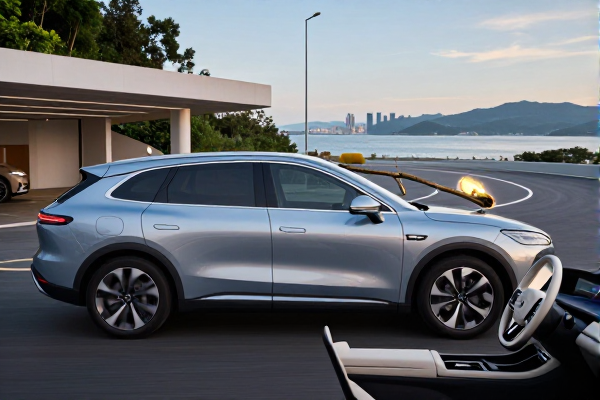
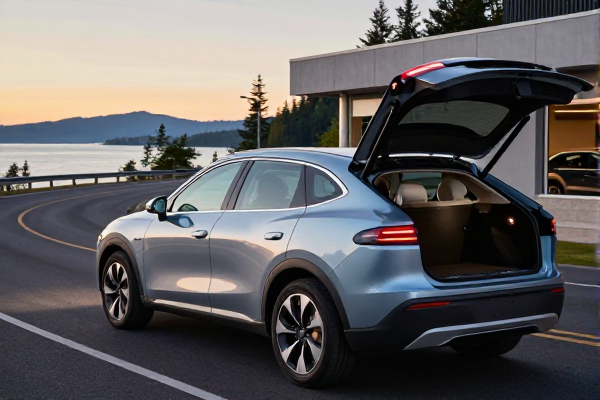
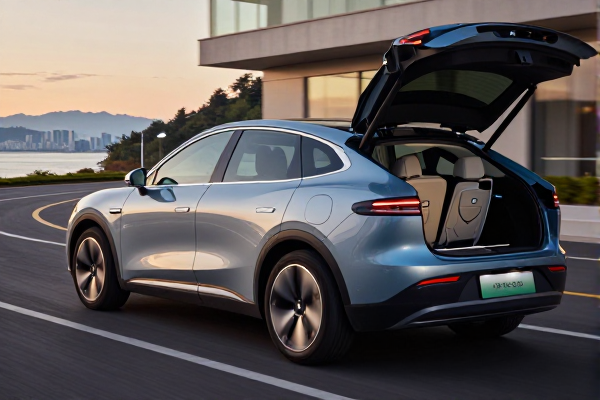
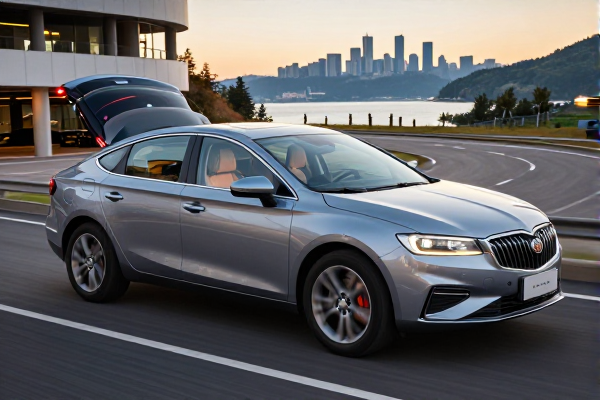
July 15, 2024 — While Tesla has yet to officially unveil the 2027 Model Y L, newly surfaced design previews and industry insights are offering the clearest picture yet of what the refreshed electric SUV might entail. This early glimpse suggests a vehicle poised to refine its best-selling formula with subtle aesthetic tweaks and potential technological enhancements, aiming to solidify its dominance in a rapidly evolving EV market.
The most immediate changes appear to be visual. Based on the available previews, the 2027 Model Y L is expected to undergo a front and rear fascia refresh. The front end may adopt a more streamlined look, potentially integrating sleeker headlight units and a revised bumper design that improves aerodynamic efficiency. At the rear, new taillight signatures and diffuser elements are anticipated, aligning the model more closely with Tesla’s evolving design language seen in recent concepts. These exterior modifications are not merely cosmetic; they are calculated moves to reduce drag, which directly translates to improved range—a critical metric for EV buyers.
Stepping inside, the cabin is where incremental but meaningful upgrades are likely to be focused. The minimalist philosophy will remain, but the quality of materials is rumored to see a notable uptick. Expect more sustainable fabric options, softer-touch plastics on high-contact areas, and possibly new trim inlays. The central infotainment system, the heart of the Tesla experience, is predicted to receive a hardware boost to support more advanced gaming and video streaming capabilities, turning the cabin into a more versatile space during charging stops. Ergonomics for rear-seat passengers might also be addressed, with potential adjustments to seat contouring and climate control access.
Under the hood—or rather, under the floor—the technical story is one of evolution, not revolution. The 2027 Model Y L will almost certainly be built on an optimized version of Tesla’s current platform, not an entirely new architecture. The primary advancements are expected in battery chemistry and software. Industry analysts point to the adoption of Tesla’s 4680 battery cells as a near certainty, which would offer greater energy density, potentially extending the maximum range beyond current estimates. Paired with continuous over-the-air software updates, this could mean real-world performance and efficiency that improves long after the vehicle leaves the showroom.
The strategic timing of this refresh is no accident. By 2027, the competitive landscape will be vastly different, with numerous legacy automakers flooding the market with electric crossovers. The Model Y L’s updates appear designed to defend its market share by addressing early critiques—such as interior material quality—while doubling down on its core strengths: a superior charging network, seamless software integration, and strong brand loyalty. It’s a playbook of calculated refinement, ensuring the model remains fresh without alienating its massive existing owner base.
What remains shrouded in speculation are the exact performance figures and pricing. Will there be a new "Plaid" variant offering hypercar-like acceleration for the compact SUV segment? How will potential new manufacturing efficiencies impact the starting MSRP? These questions will only be answered closer to the production date. However, the previews confirm that Tesla is not resting on its laurels. The 2027 Model Y L is shaping up to be a thoughtful iteration, one that aims to polish the edges of a proven winner to meet the heightened expectations of the market’s next chapter.