Browse

Log in / Register
 Share
Share
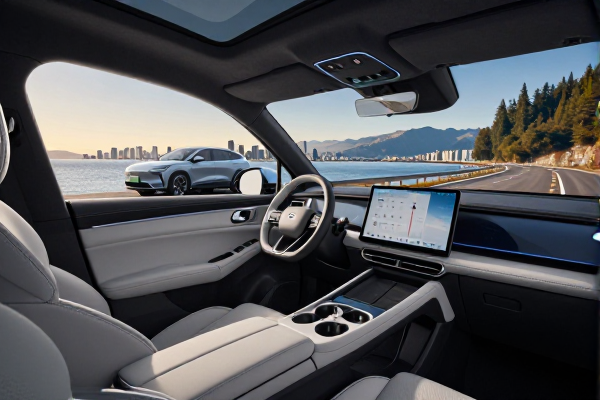
The midsize SUV landscape is poised for a significant refresh around the 2027 model year, offering new choices for buyers prioritizing technology, efficiency, and modern design. As consumer expectations evolve towards connected, feature-packed vehicles with electrified options, automakers are responding with a wave of new and updated entries. For those currently in the market, delaying a purchase to evaluate these forthcoming models could be a strategic move. Updated: October 26, 2023
This anticipated shift underscores a broader industry pivot. Manufacturers are no longer just competing on space and comfort; the new battlegrounds are advanced driver-assistance systems (ADAS), seamless digital interfaces, and flexible powertrains that cater to both performance and environmental consciousness. The upcoming models are expected to embody this multi-front evolution, making the next few years a compelling time for SUV shoppers.
Leading the charge towards electrification is the upcoming MG Hector Hawk. Slotted to position itself as a premium offering above the brand's current Hector, this SUV is a clear statement of MG's electric ambitions. Industry analysts note its planned launch strategy is pivotal for the brand's growth in key markets. Unlike traditional offerings, the Hector Hawk is rumored to forego conventional gasoline and diesel engines entirely, instead launching with both a plug-in hybrid (PHEV) and a full battery-electric variant (BEV). This dual approach aims to capture buyers at different stages of the EV adoption curve. Expect a focus on a spacious interior, likely with an optional seven-seat configuration, positioning it as a tech-forward family hauler.
Meanwhile, Mahindra is preparing a comprehensive update for its popular Scorpio N. This isn't merely a minor styling tweak but a substantial facelift aimed at keeping the rugged SUV competitive in an increasingly tech-centric market. The refresh is expected to center on a significantly enhanced digital cockpit. A larger, likely 10.25-inch touchscreen infotainment system will headline the interior upgrades, bringing it in line with newer rivals. The goal is to modernize the in-cabin experience—improving connectivity, voice command functionality, and overall user interface—while preserving the model's renowned off-road capability and robust character. This update is crucial for Mahindra to retain its loyal customer base while attracting new buyers.
Filling a strategic gap in the compact-midsize crossover segment, Hyundai is expected to introduce the Bayon. This all-new model is designed to slot neatly between the subcompact Venue and the larger Creta, targeting buyers who want more space and premium touches than a Venue but find the Creta beyond their budget. The Bayon will likely measure just over four meters in length, optimizing interior packaging within a manageable footprint. Styling is anticipated to follow Hyundai's latest "Sensuous Sportiness" design language, with a focus on a clean, technology-laden cabin. Powertrain options are expected to include an efficient naturally-aspirated gasoline engine and potentially a CNG variant for cost-conscious buyers in certain markets, highlighting a strategy of diversified propulsion.
From an exclusive market perspective, the success of these models, particularly the electrified Hector Hawk, will hinge on more than just product specs. Critical factors will include the expansion and reliability of charging infrastructure for PHEV/BEV models, the total cost of ownership compared to established rivals, and the real-world performance of the promised new technology suites. Furthermore, as these launches approach, expect competitive responses from established players like Toyota, Honda, and Ford, who will not cede market share lightly. The 2027 model year is shaping up to be a key inflection point, where genuine EV readiness and software-defined features become standard expectations rather than premium differentiators in the fiercely competitive midsize SUV arena.