Browse

Log in / Register
 Share
Share

Update: March 1, 2025 – Two of the most anticipated three-row SUVs, the 2027 Ford Explorer and the 2027 GMC Acadia, are set to compete for American families. While both carry over proven powertrains and offer nearly identical safety scores, key differences in pricing, cargo flexibility, and standard features can tip the scales. Here’s a data-driven breakdown to help you choose.
The 2027 Ford Explorer is available in six trims, starting at $52,700 (including destination) and topping out around $72,200. The 2027 GMC Acadia comes in four trim levels, with a base price of $54,599 and a top-tier configuration reaching $76,199. Both SUVs are positioned in the premium midsize segment, but the Explorer offers a lower entry point and more trim variety, while the Acadia edges higher at the top end.
For the most value-oriented buyers, the Explorer’s base trim includes a 13.2-inch touchscreen and synthetic suede seats. The Acadia’s base model starts with an 11-inch screen and cloth upholstery. Your choice may come down to which interior appointments matter more.
Both SUVs are powered by gasoline engines. The 2027 Ford Explorer produces 300 horsepower and 310 lb-ft of torque, while the 2027 GMC Acadia bumps that to 328 hp and 326 lb-ft. That extra power gives the Acadia a slight edge for towing or passing, though the Explorer’s engine is no slouch.
According to EPA estimates, the Explorer achieves 19 mpg city, 23 mpg highway, and 21 mpg combined. The Acadia returns identical fuel economy figures: 19 city, 23 highway, and 21 combined. This parity means running costs will be nearly identical for most drivers. Both recommend regular unleaded gasoline.
The 2027 Ford Explorer earns an NHTSA overall rating of 5.0 stars, with 5 stars in frontal crash, 5 stars in side impact, and 4 stars in rollover resistance. It comes standard with seven airbags (front, side, side curtain, and driver knee). The 2027 GMC Acadia also scores a perfect 5-star NHTSA overall rating, with the same breakdown: 5 stars frontal, 5 stars side, and 4 stars rollover. It also has seven airbags, including a front center airbag that helps prevent occupant-to-occupant impact in side collisions.
Both models offer advanced driver-assistance suites. Ford’s Co-Pilot360 includes automatic emergency braking, lane-keeping assist, and blind-spot monitoring. GMC’s Pro Safety Plus includes similar features, with the option of Super Cruise hands-free driving on higher trims. If you value semi-autonomous driving, the Acadia’s available Super Cruise is a market differentiator.
The Explorer features a 13.2-inch touchscreen infotainment system with wireless Apple CarPlay and Android Auto, plus a 10-speaker Bang & Olufsen premium audio. It also offers in-car Wi-Fi, navigation, and synthetic suede seats. The Acadia counters with an 11-inch touchscreen, wireless CarPlay/Android Auto, a 12-speaker Bose premium audio system, in-car Wi-Fi, a wireless charging pad, navigation, and cloth seats on base trims (upgradable to leather).
One notable difference: the Explorer’s larger screen and Bang & Olufsen audio may appeal to tech enthusiasts, while the Acadia’s Bose system and wireless charging pad are standard on more trims. Both offer tri-zone automatic climate control and power liftgate.
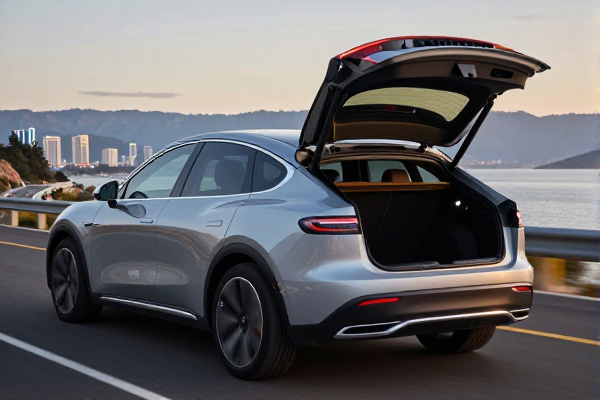
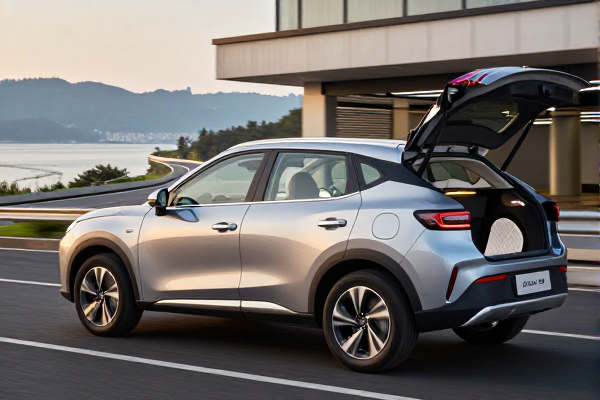
The 2027 Ford Explorer is a three-row SUV that seats six or seven passengers. Behind the third row, it offers 16.3 cubic feet of cargo space. Folding the third row expands to 44.6 cubic feet, and with all rear seats folded, you get 75.3 cubic feet. The 2027 GMC Acadia, also a three-row, seats seven or eight passengers. It provides 23.0 cubic feet behind the third row, 57.3 cubic feet with the third row folded, and a maximum of 97.5 cubic feet with all seats stowed.
The Acadia clearly wins on cargo capacity across all configurations. If you frequently carry oversized gear or luggage, the Acadia’s extra room – especially the 23 cubic feet behind the third row – is a significant advantage over the Explorer’s 16.3 cubic feet. However, the Explorer’s interior feels more car-like, and its optional 6-seat configuration with captain’s chairs offers easier third-row access.
Both Ford and GMC back their SUVs with identical coverage: 3 years/36,000 miles bumper-to-bumper, 5 years/60,000 miles powertrain, and 5 years/60,000 miles roadside assistance. This parity means ownership costs are a wash. However, Ford’s extensive dealer network may offer more convenient service locations in rural areas, while GMC’s premium positioning often includes loaner vehicles and concierge service at select dealerships.
According to recent residual value forecasts from industry analysts, the 2027 GMC Acadia is projected to retain about 48% of its MSRP after 36 months, while the Ford Explorer is expected to hold around 46%. The Acadia’s slightly stronger resale value, combined with its larger cargo area and available Super Cruise, could make it the better long-term investment for families who plan to keep the SUV for three to five years