Browse

Log in / Register
 Share

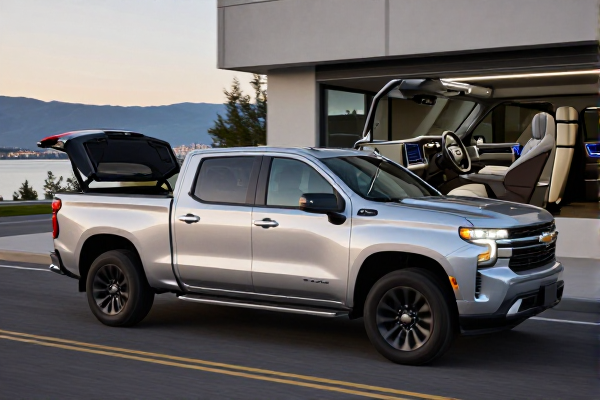
May 23, 2024 — A critical parts shortage stemming from a major safety recall has left owners of the brand-new 2026 Chevrolet Silverado without their trucks for weeks. With a National Highway Traffic Safety Administration (NHTSA) "Do Not Drive" order in effect, hundreds of vehicles sit immobilized on dealership lots. The core conflict for owners is not just the wait for a repair, but a widespread refusal by dealerships to provide the complimentary rental vehicles that General Motors' policies often mandate in such situations.
The crisis centers on a defective transfer case, a key drivetrain component, which can allegedly lock the wheels at highway speeds. While the mechanical danger is severe, the ensuing logistical breakdown is causing equal frustration. Dealerships, citing exhausted loaner fleets and pressure from corporate to control costs, are frequently turning away owners seeking alternative transportation. This leaves individuals and businesses, particularly in regions dependent on four-wheel-drive capability, bearing the financial burden of renting a vehicle themselves—a cost that can exceed $2,000 per month.
Navigating the Dealership Standoff
The first point of contact for most owners is the dealership service department, where many are hitting a wall. Service advisors, often following internal directives, may claim that loaner vehicles are only for cars with active breakdowns, not for those grounded by a pre-emptive safety order. This is a misinterpretation of GM's own guidelines. The "Do Not Drive" mandate transforms the situation from a routine service visit into a warranty-covered safety event, triggering specific obligations for the manufacturer.
Owners on forums like r/Silverado report being told their trucks must show a diagnostic trouble code to qualify for assistance, a requirement not found in the official recall terms. This creates a catch-22 where a vehicle deemed too dangerous to drive is simultaneously considered "not broken enough" for support. The strategy, as reported by numerous owners, appears designed to delay or deny rental car approvals to protect local dealership operational budgets.
Your Legal and Warranty Leverage
To break this impasse, owners must move beyond polite requests and invoke specific legal and warranty protocols. The New Vehicle Limited Warranty and state consumer protection laws provide a framework for recourse. When a safety defect prevents the use of a new vehicle, the manufacturer is generally required to provide a suitable replacement or cover reasonable transportation costs.
The most effective action is to demand that the dealership service manager open an official Technical Assistance Network (TAC) case with GM's regional field representatives. This escalates the issue beyond the dealership and creates a formal record with the corporation. You should explicitly state that you are invoking your rights under the warranty for a safety-related grounding and require authorization for a third-party rental car, with reimbursement to be handled directly by GM.
As highlighted by consumer attorneys specializing in automotive warranty law, the "Do Not Drive" order significantly strengthens the owner's position. It categorically proves the vehicle is inoperable due to a factory defect, negating any dealership argument that a loaner is merely a "courtesy."
Exclusive Insight: The Supply Chain Bottleneck Deepens
Industry sources indicate the transfer case supply issue is more severe than initially reported. The specialized component is not simply backordered; production at the supplier level is struggling to meet the sudden, massive demand generated by the recall. This isn't a warehouse delay but a manufacturing one, suggesting wait times of 4-8 weeks are optimistic for many owners. Some commercial fleet managers in the Mountain West report being told by regional parts distribution centers that inventory is effectively at zero, with no firm replenishment date.
This insight underscores the importance of securing alternative transportation immediately. Waiting for the part to arrive before arguing for a rental car could mean months of personal expense.
Documentation is Your Best Evidence
If your truck is grounded, start building your case from day one:
This paper trail is crucial not only for forcing a rental car solution but also for potentially invoking state Lemon Laws. In many jurisdictions, a new vehicle being out of service for 30 cumulative days for the same defect qualifies for a buyback or replacement.
Final Recommendation: A Direct Path Forward
The 2026 Silverado drivetrain shortage is a test of corporate accountability. Owners have the tools to fight back, but they must use the precise language of warranties and law, not the language of complaint. The responsibility to provide safe, operational transportation does not end when the tow truck drops your vehicle at the dealership; it shifts to GM's corporate office until your truck is fully and safely repaired.