Browse

Log in / Register
 Share
Share
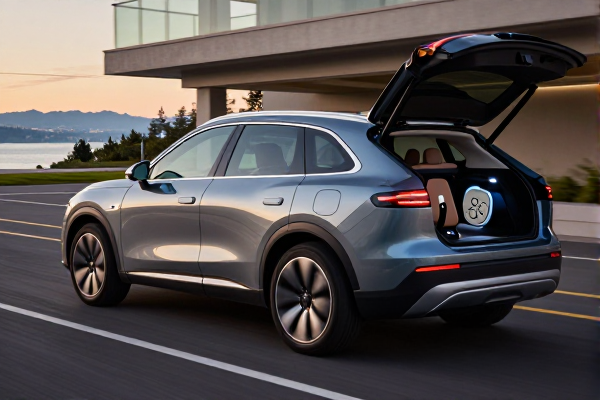
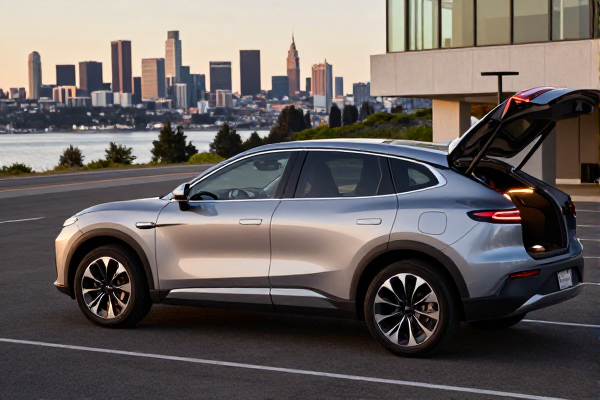
With the 2026 Kia EV4 poised to enter the competitive electric SUV segment, potential buyers are faced with five distinct trim levels, each carrying a price tag that jumps thousands of dollars from the last. Understanding where your money goes is crucial, as the differences extend far beyond mere badges. This comparison cuts through the specifications to highlight the critical upgrades and potential trade-offs between the Light, Wind, Wind Premium, GT-Line, and GT-Line Limited models. Analysis updated: May 2024.
The entry point is the Light trim at $38,995, which establishes the base offering. However, the most significant value leap arguably occurs with the Wind trim ($42,995), primarily due to its substantially larger battery. While all trims share a 201-hp front-wheel-drive powertrain, the Light makes do with a 58.3-kWh battery, yielding an estimated 391 km (243 miles) of range. Stepping up to the Wind and all higher trims unlocks an 81.4-kWh battery pack. This results in a major range boost for the Wind trim to 552 km (343 miles), though notably, range slightly decreases in the heavier, more feature-laden GT-Line versions.
Beyond the powertrain, the cost increases are primarily tied to comfort, technology, and aesthetic enhancements. The Wind Premium ($45,495) adds sought-after items like a wireless charging pad, a sunroof, and larger 19-inch alloy wheels. The GT-Line ($48,495) builds on this with a sportier appearance package, heated and ventilated power-adjustable front seats, heated rear seats, and a garage door opener. The range-topping GT-Line Limited ($51,995) exclusively offers a premium Harman/Kardon audio system and a 360-degree view camera, catering to luxury seekers.
From a pure efficiency standpoint, the Light trim leads the pack with a combined rating of 1.9 Le/100 km, thanks to its lighter weight. As curb weight increases with each trim—from 1,740 kg in the Light to 1,906 kg in the GT-Line Limited—the combined efficiency rating gently dips to 2.1 Le/100 km for the top two trims. This illustrates the tangible efficiency cost of adding more equipment and larger wheels.
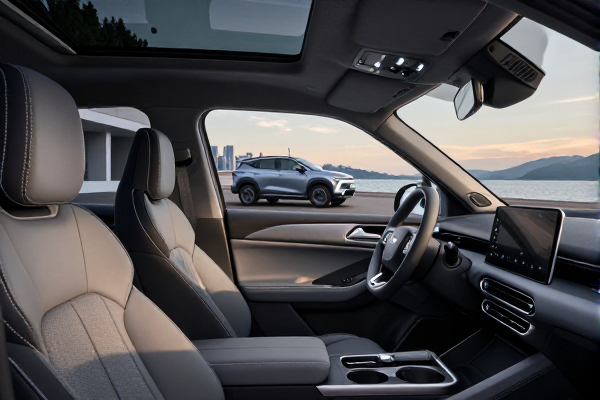
Interior space and core safety technology remain consistent across the board. All models feature a 12.3-inch touchscreen with Apple CarPlay and Android Auto, a comprehensive suite of driver assists (including anti-collision and blind-spot monitoring), and identical cargo space. Where the trims diverge is in comfort. The steering wheel becomes heated starting with the Wind Premium, and memory seats linked to the side mirrors are reserved for the GT-Line and GT-Line Limited.
Exclusive Market Perspective: While the EV4's warranty package is strong industry-wide, a key consideration for U.S. buyers is the evolving competitive landscape. Rivals like the anticipated next-generation Nissan Ariya and Volkswagen ID.4 may offer comparable or superior range in their base models at a similar price point. The EV4's standout value proposition lies in Kia's proven long-term battery warranty (8 years/160,000 km) and its potential to undercut competitors on standard feature content in the mid-trim Wind and Wind Premium grades.
The decision ultimately hinges on prioritizing range versus features. For maximum electric range per dollar, the Wind trim presents a compelling case. If a sunroof, premium interior touches, and advanced convenience features like a 360-degree camera are must-haves, the GT-Line or GT-Line Limited are the targets, albeit with a shorter driving range and higher upfront cost. The base Light trim serves a specific niche for urban drivers with regular charging access, while the Wind Premium strikes a middle ground for those wanting key upgrades without the full GT-Line price.