Browse

Log in / Register
 Share
Share

April 15, 2025 – Ford’s best-selling small SUV in Europe is getting a major mid-cycle refresh. The 2026 Ford Puma has been spotted testing in near-production form, and early details point to a sharper design, smarter technology, and the same playful character that made it a hit. Here’s everything we know so far.
The 2026 Puma sheds the soft, rounded look of the current model for a more aggressive stance. The front end adopts a larger, more squared-off grille flanked by slim, angular LED headlights that echo the design language of the new Ford Explorer. The hood gains sharper creases, and the lower bumper features larger air intakes, giving the Puma a sportier, almost coupe-like presence.
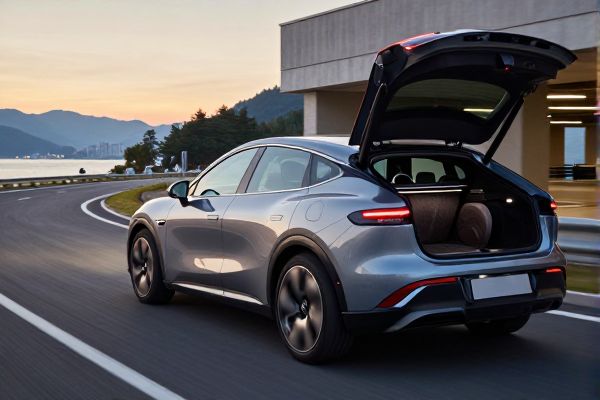
From the side, the roofline remains steeply sloping—a nod to the “SUV coupe” trend—but the wheel arches are now more pronounced, accommodating larger wheel options (up to 18 inches). At the rear, a redesigned taillight cluster with a light bar connecting the two units (similar to the Mustang Mach-E) adds a premium touch. The dual exhaust tips, a signature of the ST-Line trim, are carried over, but the overall look is cleaner and more modern.
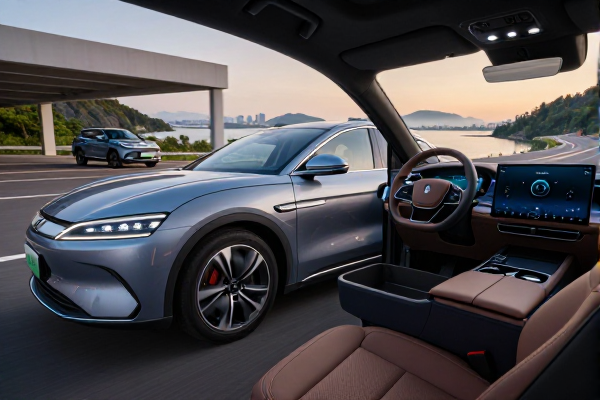
Inside, the biggest news is the adoption of Ford’s SYNC 4 system with a 12.8-inch floating touchscreen (up from the current 8-inch). The screen is now standard across all trims and supports wireless Apple CarPlay and Android Auto, over-the-air updates, and a newly designed voice assistant that understands natural language. The instrument cluster is a fully digital 12.3-inch unit, configurable with multiple layouts.
The cabin materials have been upgraded: soft-touch surfaces on the dashboard and door cards, with contrast stitching on higher trims. The ST-Line gets a flat-bottomed steering wheel, aluminum pedals, and sport seats. The Puma’s “Megabox” storage compartment—a deep, drainable bin under the rear seats—remains, but now includes a removable divider and a 12V outlet for added versatility.
Ford is betting big on electrification. The 2026 Puma will offer a choice of three powertrains:
All engines are front-wheel drive; no all-wheel-drive option is planned, though Ford’s Selectable Drive Modes (Normal, Eco, Sport, Slippery) will help manage low-traction situations.
The Puma has always been praised for its go-kart-like handling, and the 2026 model builds on that. The suspension has been retuned with stiffer bushings and revised damping for a more planted feel, yet it remains compliant enough for daily commuting. The ST-Line and ST trims get a torque vectoring system via braking that reduces understeer during cornering.
Ford’s engineers also worked on NVH (noise, vibration, harshness) reduction, adding extra sound-deadening material in the firewall and wheel wells. Early test drives suggest the cabin is notably quieter at highway speeds compared to the current car.
The 2026 Puma comes with Ford’s Co-Pilot360 suite as standard, including:
For the first time, the Puma offers a 360-degree camera system and a head-up display (HUD) projected onto the windshield, available on top trims. The HUD shows speed, navigation arrows, and driver alerts, reducing the need to take eyes off the road.
The 2026 Ford Puma will arrive in European showrooms in the first quarter of 2026, with orders opening in late 2025. Pricing is expected to start around £24,000 (approx. $30,000 USD) for the entry-level mild-hybrid, rising to £32,000 for the ST-Line Vignale hybrid.
To put it in perspective, the updated Puma will face off against:
According to an insider at Ford’s Cologne engineering center, a fully electric Puma (badged “Puma EV”) is in development for a 2027 launch. It will ride on a dedicated EV platform (likely a derivative of the GE2 architecture used by the Explorer EV) and will be built alongside the hybrid models. This means the 2026 Puma is the last combustion-engine refresh, making it a pivotal moment for the model.
The 2026 Ford Puma looks set to maintain its position as one of the most enjoyable small SUVs on the market. With a sharper design, a much-needed interior overhaul, and a hybrid option that’s finally competitive with Toyota’s, it addresses the main criticisms of the current car while keeping the fun factor intact. If you’re in the market for a B-segment crossover that doesn’t sacrifice driving pleasure, the