Browse

Log in / Register
 Share
Share
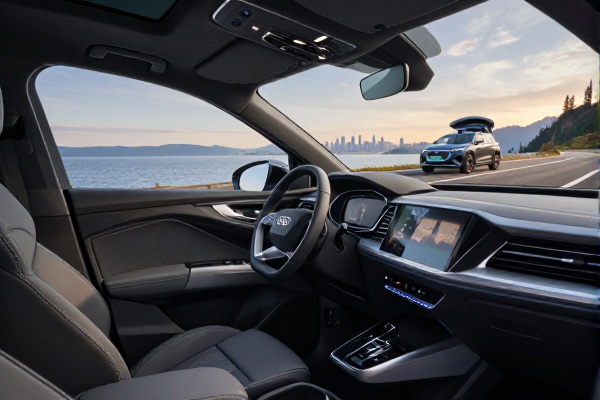
Audi has rolled out a mid-cycle refresh for its compact electric SUV, the Q4 e-tron, for the 2026 model year. While exterior changes are subtle, the updates focus significantly on interior technology, material quality, and powertrain refinements aimed at boosting its competitiveness in a crowded segment. We tested the updated model to see how it stacks up. July 2024
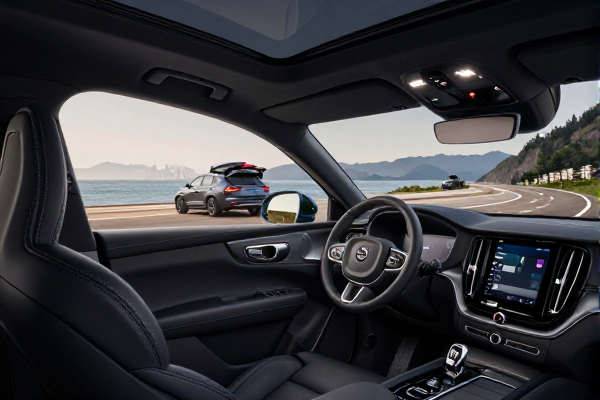
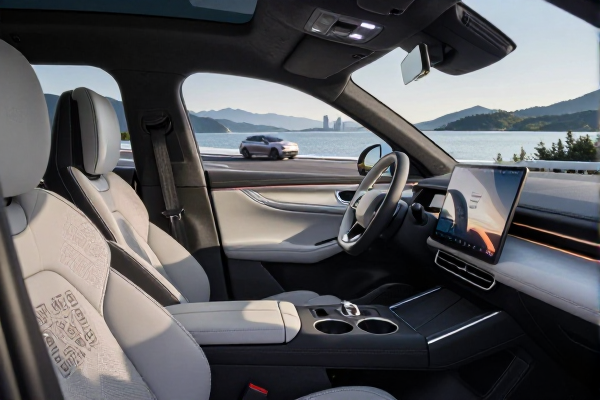
The most noticeable improvements are found inside the cabin. Audi has addressed previous criticisms by overhauling the dashboard layout. The old, small digital dials are gone, replaced by a more modern dual-screen setup—one for the driver's instrument cluster and a larger central touchscreen for infotainment. An optional third screen for the front passenger, a feature trickling down from Audi's premium models, is available, though it adds to the cost. More appreciable is the replacement of the fingerprint-prone glossy black center console with a more practical, soft-touch material. Door panels also feature upgraded plastics and decorative stitching, elevating the overall perceived quality.
For 2026, Audi offers an updated battery lineup. A new, smaller 59 kWh battery is now an option for the base 204-horsepower version, targeting a more accessible price point. However, the star for performance and range remains the 79 kWh battery paired with the 286-hp powertrain. In our real-world driving test—conducted at a brisk pace on country roads and suburban routes—the vehicle demonstrated impressive efficiency. We recorded an average consumption of 17 kWh/100 km, which aligns with the higher end of its official WLTP combined range (15.6–17.4 kWh/100 km). This translates to a reliable real-world range of approximately 450 kilometers (280 miles) without resorting to hypermiling techniques, while still retaining a 10% battery buffer.
This efficiency repositioning is crucial. The 2026 Q4 e-tron, with its claimed 568 km (353 miles) WLTP range, now more confidently enters the ring against key rivals like the BMW iX3, the Mercedes-Benz EQC, and the Volvo C40 Recharge. Notably, Audi's strategy appears more segmented; while some European markets like France may receive specific "eco-scored" versions with weight-saving measures, the global core model focuses on balanced performance and luxury. For the US market, this raises interesting questions about potential spec alignments and pricing competitiveness against domestic favorites like the Tesla Model Y.
On the road, the Q4 e-tron retains the composed and comfortable driving character that has been its hallmark since launch. The ride quality is excellent, soaking up imperfections with a "Pullman"-like serenity, especially when equipped with the optional adaptive damping system. The handling is secure and predictable, making it suitable for both relaxed cruising and more engaged driving. The steering is precise, though the progressive steering system remains an extra-cost option.
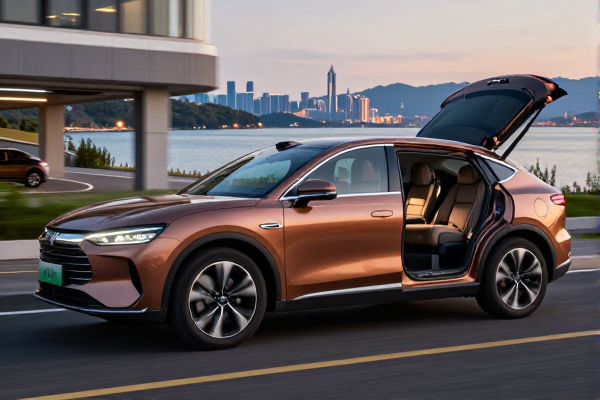
It's in the realm of options and pricing where some frustration may emerge. To achieve the pinnacle of comfort and dynamics, buyers must navigate a lengthy and expensive options list. For instance, the adaptive damping with progressive steering costs extra. Charges for what many would consider standard equipment at this price level—such as acoustic glazing for the windshield and side windows or a heat pump for better cold-weather efficiency—can feel like nickel-and-diming. Choosing the sleeker Sportback coupe body style commands a substantial premium.
Exclusive Perspective: The Charging and US Market Consideration While the article highlights the 165 kW DC fast-charging capability (10-80% in 29 minutes), a key consideration for American buyers will be its performance on the evolving US charging network, particularly the Tesla Supercharger network, which Audi models are gaining access to. The real test for the Q4 e-tron's 568 km claim will be its highway efficiency at sustained 70-75 mph speeds, a common US driving condition not heavily featured in European WLTP tests. Furthermore, its starting price point will be critical in a market where the Tesla Model Y offers formidable range and a vast charging ecosystem at a competitive cost. The Q4 e-tron's advantage lies in its premium Audi build, interior refinement, and traditional dealer support network, which still appeals to a significant segment of luxury EV shoppers.
Technical Specifications at a Glance:
The 2026 Audi Q4 e-tron is a thoughtful evolution. It fixes earlier interior shortcomings, offers a compelling real-world range, and maintains its superb ride comfort. It successfully closes the gap to its German rivals. However, its value proposition is heavily influenced by a costly options list. For buyers who prioritize a premium interior, brand cachet, and a refined driving experience over outright range leadership or the minimalist tech of some competitors, the updated Q4 e-tron presents a strong and now more polished case.