Browse

Log in / Register
 Share
Share
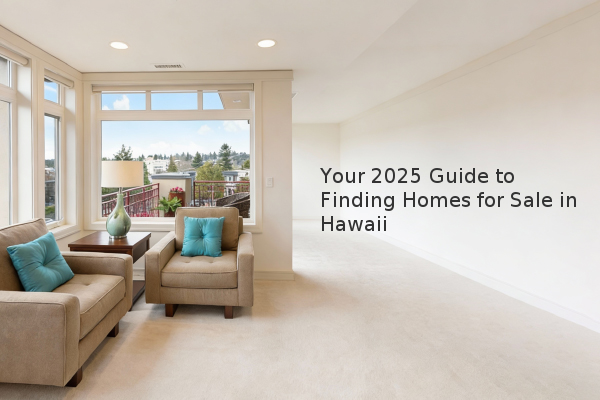
Navigating the Hawaii real estate market in 2025 requires an understanding of its unique dynamics, from high demand to varied property types. The core takeaway for buyers is that while the median sale price for a single-family home often exceeds $1,000,000, strategic planning around location, property type (such as Condo or Fee Simple), and financing can make ownership achievable. This guide provides a data-driven overview to set realistic expectations.
Before you start your search, it's crucial to understand the common property classifications. You will primarily encounter Fee Simple and Leasehold properties. Fee Simple is the most complete form of ownership, where you own the land and the building outright. In contrast, a Leasehold property means you own the structure but lease the land it sits on for a set number of years, which can significantly impact the property's long-term value and financing. Most buyers prefer Fee Simple for its permanence. Additionally, the market is split between single-family homes and condominiums (Condos), with the latter often being a more affordable entry point into desirable neighborhoods.
The following table outlines key considerations for each property type:
| Property Type | Typical Price Point | Key Consideration | Best For |
|---|---|---|---|
| Single-Family Home (Fee Simple) | $1,000,000+ | Highest appreciation potential; full land ownership. | Families, long-term investment. |
| Condominium (Condo) | $500,000 - $900,000 | Monthly maintenance fees cover amenities and exterior upkeep. | First-time buyers, low-maintenance living. |
| Leasehold Property | Below Market Average | Remaining lease term dictates value and loan eligibility. | Budget-conscious buyers aware of lease terms. |
The process for purchasing homes for sale in Hawaii follows a distinct sequence. After securing pre-approval from a lender, you'll engage a local real estate agent who understands the nuances of the islands. Properties often receive multiple offers, so being prepared to act quickly is essential. Once an offer is accepted, the transaction enters the Due Diligence period. This is when you will conduct a professional home inspection and review the Condominium Documents or the Title Insurance report. Title Insurance is a form of indemnity insurance that protects the buyer from financial loss due to defects in the property's title.
Based on our experience assessment, successful buyers in Hawaii often waive certain contingencies to make their offers more competitive. However, this carries risk and should only be considered with a thorough understanding of the property's condition and clear guidance from your agent. The closing process typically involves an escrow company that ensures all funds and documents are properly exchanged before recording the new deed with the state.
The listed sale price is just the beginning. Buyers must budget for additional costs that are particularly relevant in Hawaii. Property Tax rates vary by county but are generally lower than the national average, though the high property values result in substantial tax bills. For condos, monthly maintenance fees can range from hundreds to over a thousand dollars, covering items like landscaping, pool maintenance, and building insurance. If you are not a full-time resident, you should also factor in the cost of a property management company to maintain the home in your absence.
Furthermore, securing a mortgage for a non-primary residence can involve different down payment requirements and interest rates. It's advisable to connect with lenders who have experience with Hawaii transactions, as they can accurately assess the unique aspects of the local market. Cash offers are common and highly competitive, so financing buyers need to have their financial documentation in impeccable order to reassure sellers.
To successfully purchase a home in Hawaii, focus on securing local expertise, understanding the total cost of ownership, and preparing for a fast-paced market. Prioritize properties with Fee Simple ownership for long-term value and meticulously review all financial obligations, including taxes and maintenance fees, to ensure the investment aligns with your budget.