Browse

Log in / Register
 Share
Share
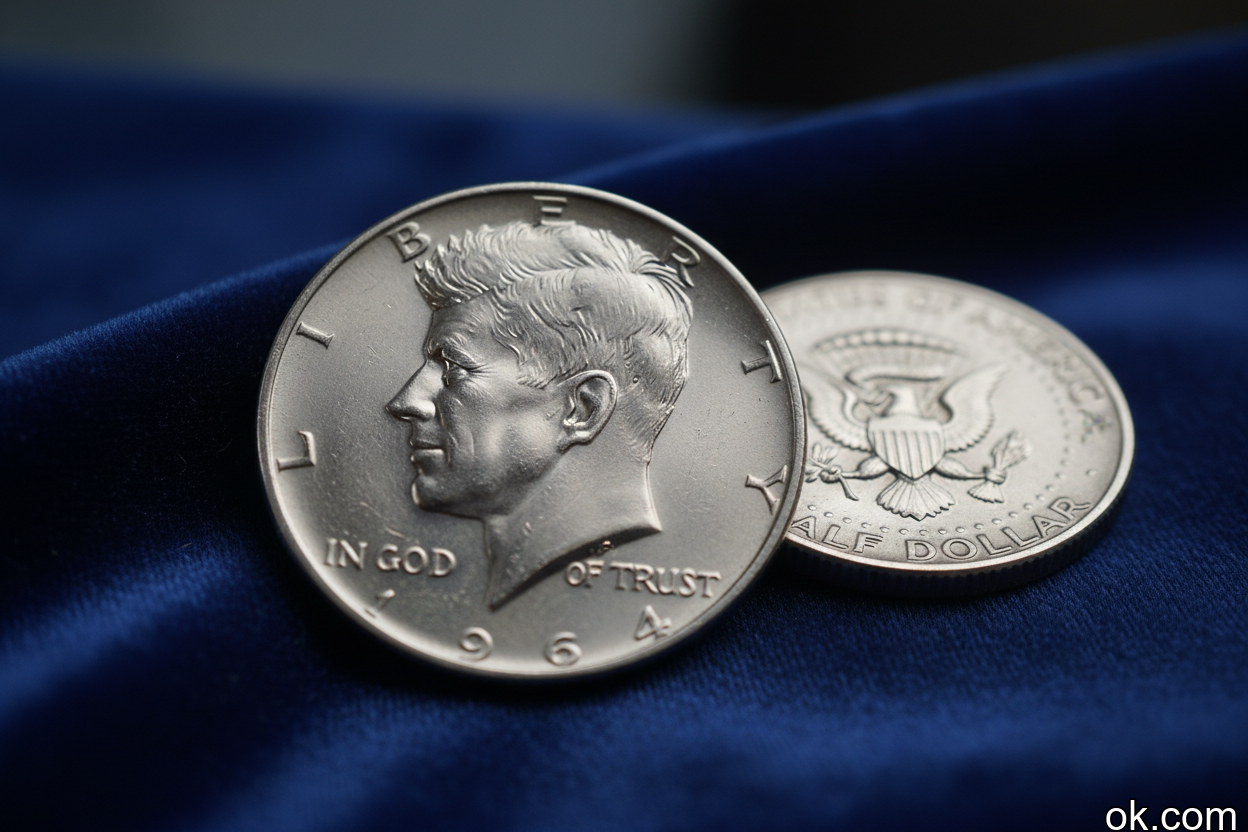
Ever rummaged through your grandpa's old coin jar and wondered, "Hey, how much is a silver coin worth?" It's a question that plagues many, and the answer, well, it's more complex than you might think. We're not just talking about the face value stamped on the coin; we're diving deep into melt value, numismatic worth, and the fascinating world of coin collecting. So, buckle up, history buffs and bargain hunters, because we're about to unearth the secrets hidden within those shiny, sometimes tarnished, pieces of history.
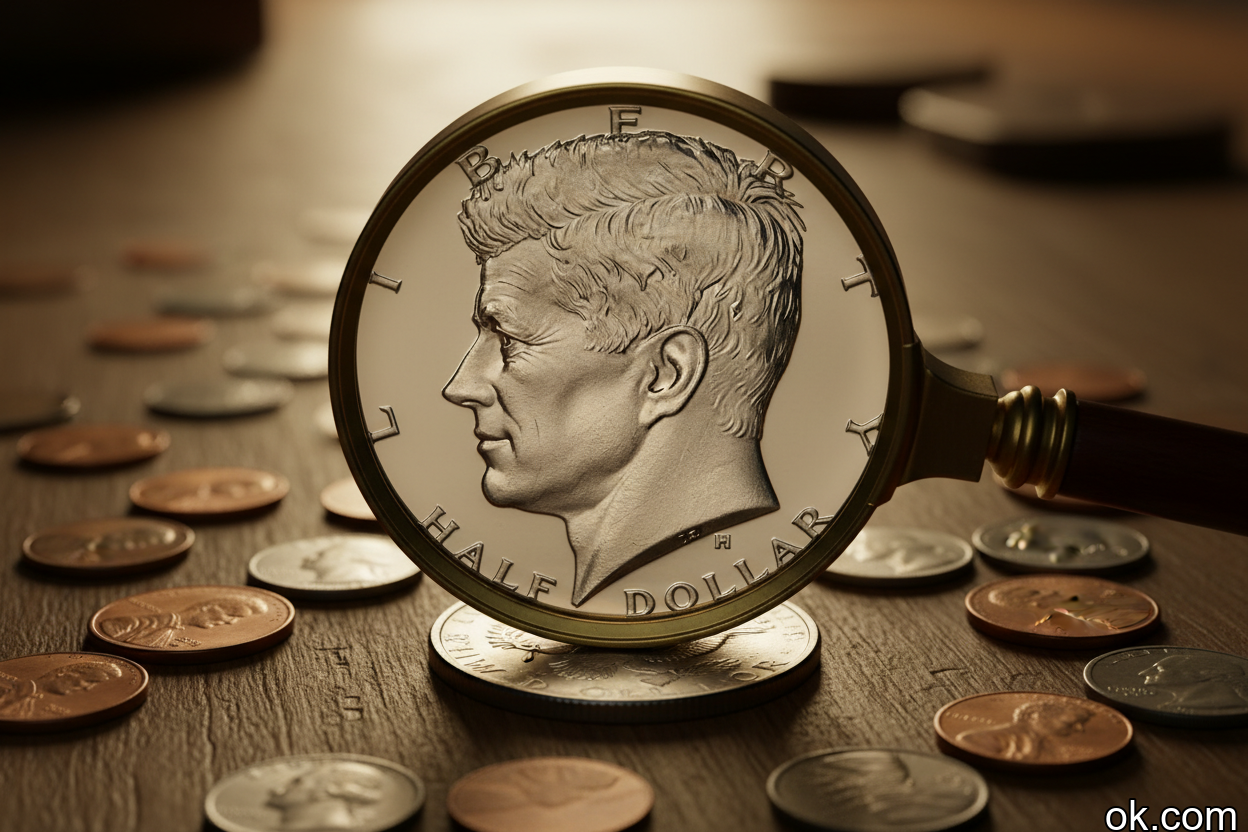
Determining how much is a silver coin worth is a multi-faceted adventure. It's not as simple as checking the date and denomination. Several factors swim together to dictate a coin's true value. What are these factors, you ask? Let's break it down, shall we?
First and foremost, we've got to consider the silver content. Most older silver coins aren’t made of pure silver; they’re usually an alloy (a mixture of metals). Understanding the silver percentage is crucial. For example, many US coins minted before 1965 contain 90% silver. Knowing this, you can calculate the coin's melt value – that is, the value of the silver if you melted the coin down (though, as collectors, we frown upon melting history!).
Here's a glimpse at the silver content and approximate melt values of some common US coins (as of October 26, 2024, with silver spot price at $56.94):
| Coin Type | Silver Content | Approximate Melt Value |
|---|---|---|
| Mercury Dime (1916-1945) | 90% | $4.12 |
| Roosevelt Dime (1946-1964) | 90% | $4.12 |
| Franklin Half Dollar (1948-1963) | 90% | $20.60 |
| Kennedy Half Dollar (1964) | 90% | $20.60 |
These values fluctuate with the silver spot price, so keep an eye on the market! You can usually find the spot price on any reputable financial website or even your news outlet. It’s kinda like checking the weather, but for your wallet.
Okay, so you know the silver content. Great. Now, let's talk condition. Is the coin pristine and shimmering, or is it worn, scratched, and looking like it’s been through a war (or, you know, several decades in someone’s pocket)? A coin's condition, also known as its grade, dramatically impacts its value.
Coins are typically graded on a scale, from Poor (barely identifiable) to Mint State (perfect, uncirculated). A coin in "uncirculated" condition (UNC) means it has never been used for any purpose and is generally in perfect condition. The higher the grade, the more valuable the coin – especially for rare dates and mintmarks. Remember that 1921 Silver Dollar we talked about? One in "not so great condition" might fetch $27-30, but an UNC example could be worth $50 or more! A non-1921 UNC dollar coin could fetch $65-$100 on average.
Think of it like this: a first edition of a classic book is worth far more if it's in good condition than if it's missing pages and has coffee stains all over it, right? Same principle applies here. And believe me, there's a whole science to grading coins!
Alright, here's where things get really interesting. Rarity and collectibility, also known as "numismatic value", can send a coin's value soaring far beyond its melt value. Certain years, mintmarks (the little letter that indicates where the coin was struck), and even errors can make a coin incredibly rare and desirable to collectors.
Consider the 1922 Silver Dollar. While common examples might be valued under $50, rare varieties and top-grade coins can command five figures. That's a HUGE difference! It all boils down to supply and demand. If there aren't many of a certain coin out there, and lots of people want it, the price goes up, up, up! You need to know if you might be holding something truly special. Some Silver American Eagle coins trade for about $5-$10 over the current spot price for silver, depending on how many you're buying. I always find that interesting to consider.
Example: Let’s say you stumble upon a 1916-D Mercury Dime in excellent condition. The "D" mintmark indicates it was minted in Denver. This particular dime is notorious for its low mintage (only 264,000 were ever made) and is a key date in the Mercury Dime series. A well-preserved 1916-D Mercury Dime could easily fetch hundreds, if not thousands, of dollars!
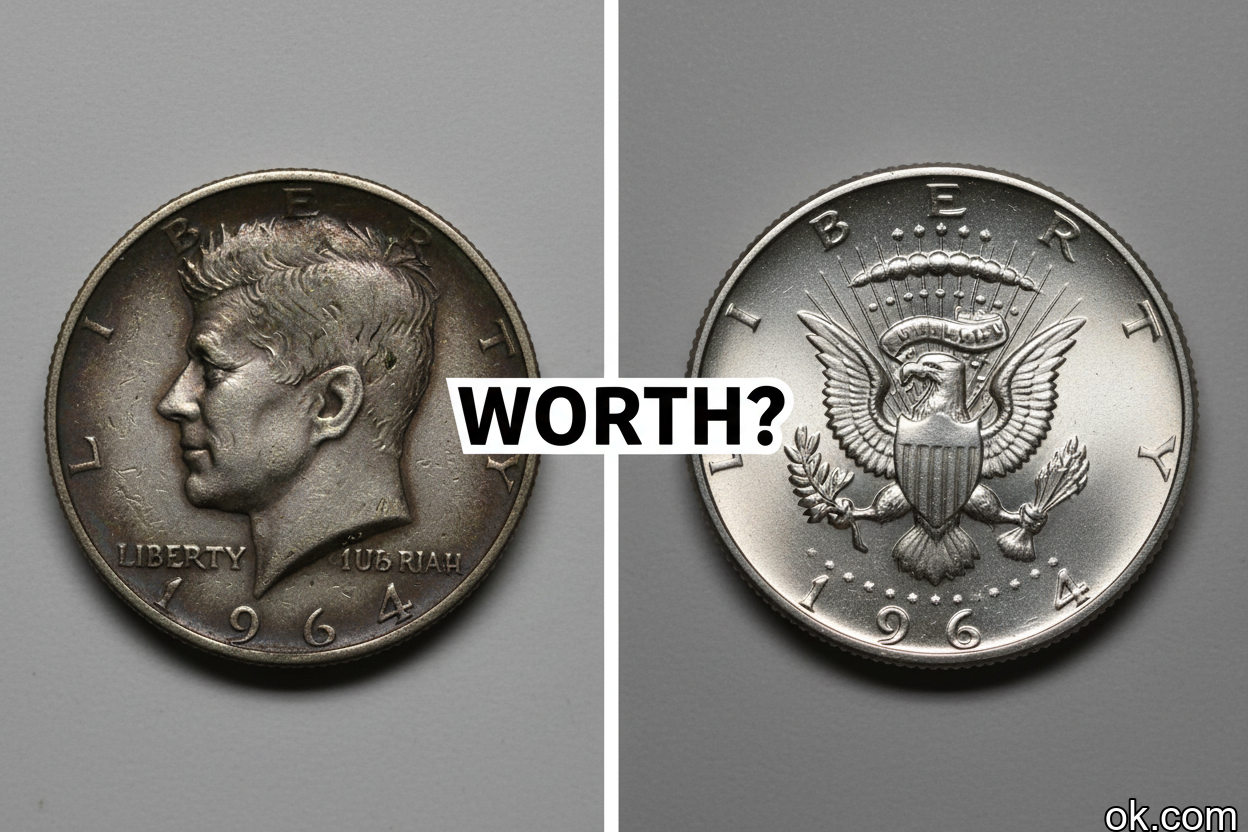
So, how do you figure out if you’ve got a potential goldmine (or, you know, silver mine) on your hands? Research, research, research!
Be warned, though! Coin collecting can be addictive. Once you start researching and learning about these little pieces of history, you might find yourself hooked! But hey, there are worse hobbies to have, right?
So, how much is a silver coin worth? As we've seen, the answer is "it depends!" It hinges on the silver content, condition, rarity, and the current market. Don't just assume that old coin is only worth its face value. It could be worth significantly more!
The next time you're sorting through old coins, remember these tips. Do your research. And who knows, you might just discover a hidden treasure. And if you're looking to expand your collection or perhaps invest in some silver, head over to ok.com to check out some awesome deals! You never know, you might find your next valuable treasure there.