Browse

Log in / Register
 Share
Share
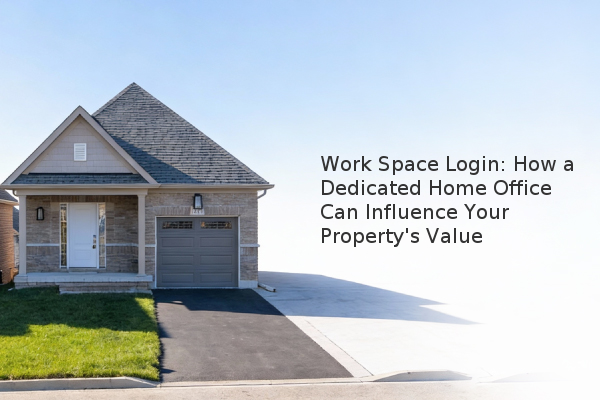
A dedicated home office space, often requiring a separate "work space login" area, is no longer a luxury but a significant factor in residential property valuation. For buyers, a functional home office can be a deciding factor, while for sellers, it represents a tangible asset that can boost market appeal and final sale price. This shift, accelerated by remote work trends, means that a well-designed workspace directly impacts a home's competitiveness in today's market. Understanding this value is crucial for making informed real estate decisions, whether you are buying, selling, or renovating.
The return on investment for adding or improving a home office varies but is generally positive. Appraisers and real estate agents evaluate these spaces based on functionality, size, and integration with the home's layout. A converted bedroom with a desk is a basic upgrade, but a purpose-built addition with soundproofing, dedicated wiring, and a separate entrance commands a premium. According to industry analyses, a permanent, well-executed home office addition can recoup between 55% to 75% of its cost upon sale, though this depends on the local market. It's less about a direct dollar-for-dollar return and more about the property's increased desirability, which can lead to a faster sale and potentially higher offers from motivated remote workers.
| Home Office Feature | Potential Value Impact | Key Considerations |
|---|---|---|
| Converted Bedroom | Low to Moderate | Preserves square footage; may not appeal to buyers needing all bedrooms. |
| Built-in Office Nook | Neutral to Positive | Utilizes unused space (e.g., under stairs); minimal construction cost. |
| Finished Attic/Basement Office | Moderate | Adds functional square footage; must meet egress and ceiling height standards. |
| Purpose-Built Addition | High | Maximizes functionality and privacy; requires significant investment and permits. |
Not all work spaces are created equal. Buyers looking for a dedicated "work space login" area are evaluating specific features that support productivity and professionalism. Privacy is paramount; a space with a door that closes is far more valuable than an open alcove. Soundproofing measures, such as extra insulation or solid-core doors, further enhance the value. Ample natural light, multiple electrical outlets, and built-in organizational features like shelving are highly sought after. From a technical standpoint, a robust infrastructure is critical, including dedicated circuits to prevent overloads and provisions for high-speed internet connectivity, such as Ethernet ports or strategic placement for Wi-Fi extenders.
Adding a home office can have implications for your Property Tax, which is an annual levy by local governments based on the assessed value of real estate. If you undertake a significant renovation, like a new addition, that increases your home's square footage and market value, your local tax assessor will likely re-evaluate the property. A simple redecoration of an existing room typically won't trigger a reassessment. However, converting a garage or building a new structure will. It is essential to check with your local municipality about permit requirements and the potential for a tax reassessment before beginning major projects, as the increased property value could lead to a higher tax bill.
For sellers, the goal is to stage the home office to highlight its potential. Declutter the space, invest in neutral, professional-looking furniture, and ensure the lighting is excellent. During listing photos and showings, depict the space in use—a clean, organized desk with a monitor can help buyers visualize their own "work space login" routine. For buyers, evaluate any existing office space with a critical eye. Consider the cost of modifications needed to make it functional for your specific needs. Ask about internet service providers and speeds in the area, as this is a non-negotiable for most remote professionals. A home inspection can also reveal if the electrical system can handle the additional load of office equipment.
In conclusion, the integration of a dedicated work space is a powerful trend in residential real estate. For sellers, emphasizing a well-designed office can attract a larger pool of buyers and justify a competitive asking price. For buyers, prioritizing this feature is a forward-thinking investment in both lifestyle and property utility. Ultimately, a functional home office is increasingly viewed as standard, making it a critical component of a property's overall appeal and financial worth.