Browse

Log in / Register
 Share

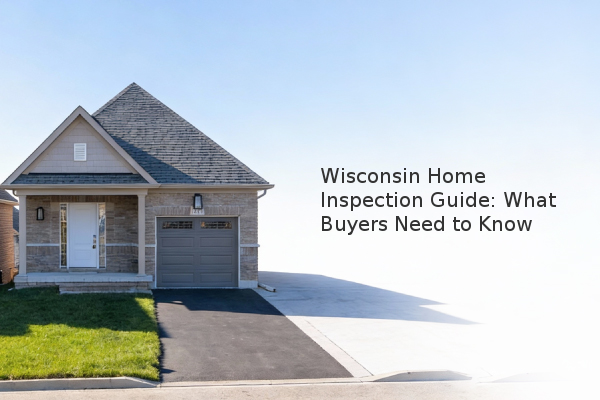
A professional home inspection is a critical, non-invasive examination of a property's condition, typically performed during a real estate transaction. In Wisconsin, while not legally required, securing a home inspection is a highly recommended step for any homebuyer. It provides an objective assessment of the home's major systems and structural integrity, offering crucial negotiation leverage and protecting you from costly surprises after closing. This guide covers the importance, specialized types, costs, and key considerations for a Wisconsin home inspection.
A home inspection is a vital risk management tool when making one of life's largest investments. A certified inspector evaluates the property from foundation to roof, identifying issues that are not apparent during a casual viewing. This includes problems with the foundation, roof, electrical system, plumbing, HVAC, and more. In Wisconsin, the climate poses specific challenges; harsh winters can lead to hidden ice dam damage or frozen pipe issues, while humid summers can contribute to mold growth. Uncovering these problems beforehand allows you to make an informed decision, request repairs, or renegotiate the sale price.
"Based on our experience assessment, a home inspection in Wisconsin acts as a critical safeguard," says a local Milwaukee home inspector. "It addresses concerns unique to the state's climate, from seasonal wear to more serious, hidden defects, providing transparency and confidence to the buyer."
Beyond the standard inspection, Wisconsin buyers may need to consider additional evaluations based on the property's age, location, and characteristics.
Home inspections are not mandatory under Wisconsin state law for buyers or sellers. However, your mortgage lender may require specific inspections, such as a pest inspection for wood-destroying insects, as a condition for loan approval. Despite not being a legal requirement, forgoing an inspection is a significant financial risk. Industry professionals consistently emphasize that the cost of an inspection is minor compared to the potential expense of unforeseen repairs, which can run into thousands of dollars.
The cost of a home inspection varies based on the property's size, age, and location. On average, buyers can expect to pay between $300 and $500 for a standard inspection. Specialized inspections, like those listed above, incur additional fees. It's important to view this not as an unnecessary cost but as an investment in due diligence.
| Factor | Impact on Cost |
|---|---|
| Home Size | Larger homes generally cost more to inspect. |
| Home Age | Older homes may require more time, increasing the fee. |
| Location | Prices can vary between urban and rural areas. |
| Scope | Adding radon, well, or other tests increases the total. |
Sellers are not obligated to conduct a pre-listing inspection. However, many choose to do so as a strategic move. A pre-listing inspection allows sellers to identify and address issues beforehand, making the home more attractive to buyers and potentially streamlining the negotiation process. It demonstrates transparency and can help justify the asking price.
To navigate the process effectively, buyers should: