Browse

Log in / Register
 Share
Share
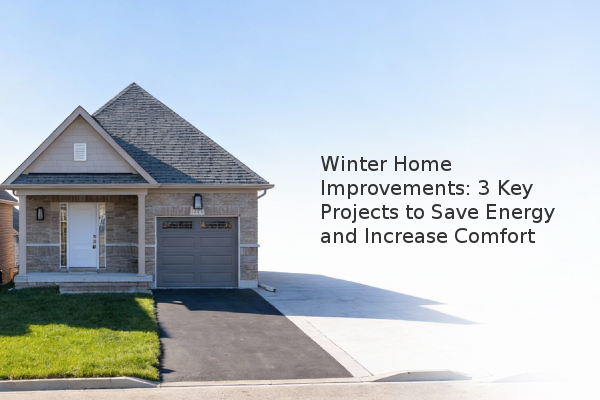
Investing in strategic winter home improvements can significantly reduce your heating costs, enhance your property's value, and create a more comfortable living environment. The most impactful projects focus on sealing your home's thermal envelope—the barrier that separates conditioned indoor air from the outdoors—to prevent heat loss. Based on industry data and expert assessment, upgrading insulation, sealing air leaks, and installing a smart thermostat offer the best return on investment for energy savings and comfort during colder months.
| Winter Home Improvement Project | Average Cost Range | Key Benefit |
|---|---|---|
| Attic Insulation Upgrade | $1,500 - $2,500 | Prevents up to 25% of heat loss |
| Air Sealing (Windows/Doors) | $150 - $400 | Reduces drafts and lowers energy bills |
| Smart Thermostat Installation | $200 - $300 | Can save 5-10% on heating costs |
The primary goal of winterizing your home is to strengthen its thermal envelope. When this barrier is compromised by inadequate insulation or air leaks, your heating system works harder, leading to higher energy bills. A well-sealed home maintains a consistent temperature more efficiently. The U.S. Department of Energy notes that the average household can save up to 15% on heating and cooling costs by air sealing and adding insulation in attics and crawl spaces. This makes air sealing one of the most cost-effective first steps you can take.
Heat rises, and a significant amount of it escapes through the attic. Adding or upgrading attic insulation is a highly effective project. The recommended insulation level, measured in R-value, is often R-38 for most attics. Another critical area is the basement or crawl space. Crawl space encapsulation, which involves sealing the area with a vapor barrier, protects against moisture and drafts from below. For windows, applying weatherstripping is an inexpensive DIY solution, while replacing old, single-pane windows with modern, double-pane models offers a long-term upgrade that improves energy efficiency and curb appeal.
Installing a smart thermostat allows for precise control over your home's temperature, even when you're away. These devices learn your schedule and can automatically lower the temperature when you are asleep or out, then warm the house before you return. This avoids heating an empty home, leading to direct savings. Some models provide energy usage reports, helping you understand your consumption patterns. For larger upgrades, a heat pump is an increasingly popular, energy-efficient alternative to traditional furnaces, providing both heating and cooling from one system.
To maximize your comfort and savings this winter, start by conducting a home energy audit to identify specific areas of heat loss. Then, focus on sealing air leaks before adding more insulation, as this ensures your insulation works effectively. Finally, consider a smart thermostat to gain better control over your heating system and reduce unnecessary energy use.