Browse

Log in / Register
 Share
Share
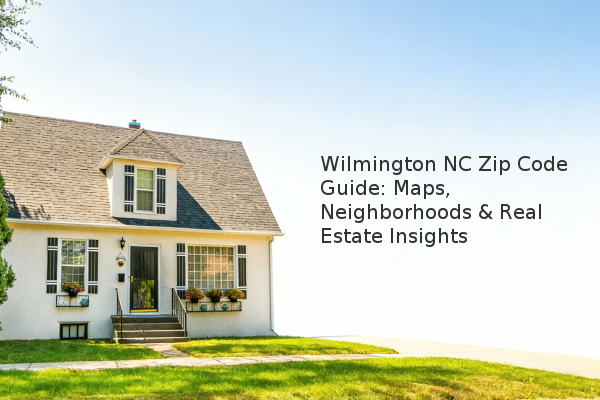
Understanding the zip codes in Wilmington, North Carolina, is a fundamental step for anyone researching the local real estate market, as each code corresponds to distinct neighborhoods with unique property values and characteristics. This guide provides an objective overview of Wilmington's primary zip codes, their geographic boundaries, and how this information is practically applied in property searches and market analysis. The key takeaway is that a zip code is more than a mailing address; it's a critical data point influencing property taxes, school districts, and overall market dynamics.
Wilmington, the primary city in New Hanover County, is served by several zip codes. The most central and widely recognized is 28401, which covers downtown Wilmington and the historic district. 28403 serves areas to the northeast, including parts of the University of North Carolina Wilmington (UNCW) campus and the neighborhood of Forest Hills. 28405 encompasses a large swath of the city to the west and south, including the Mayfaire Town Center and Ogden Park. Finally, 28409 covers the eastern regions, such as Monkey Junction and the Covil Farms area. It's important to note that zip codes can extend beyond city limits, so verifying a property's specific municipal jurisdiction is crucial.
| Zip Code | Primary Neighborhoods / Areas |
|---|---|
| 28401 | Downtown, Historic District, Brooklyn Arts District |
| 28403 | UNCW, Forest Hills, Bradley Creek |
| 28405 | Mayfaire, Ogden, Landfall |
| 28409 | Monkey Junction, Covil Farms, Masonboro |
Zip codes are a primary filter in real estate search portals and are intrinsically linked to market data. When you search for homes within a specific zip code like 28405, you are effectively narrowing your search to a market segment with its own pricing trends, inventory levels, and average days on market. For instance, the 28401 zip code, with its historic homes and walkable urban core, commands a different price per square foot compared to the newer, suburban-style single-family homes prevalent in 28409. Furthermore, zip codes are tied to school district assignments, which is a significant factor for many buyers and can directly impact property values. This data is aggregated by listing services and analysts to provide a clear picture of supply and demand within each area.
To leverage zip codes in your search, start by using online maps to familiarize yourself with the boundaries of 28401, 28403, 28405, and 28409. Most real estate websites allow you to filter listings by zip code. This is an efficient way to compare similar properties within a defined area. When you find a property of interest, note its zip code and then research specific data for that area, such as recent sales (comps) and median listing prices. This approach helps in understanding whether a listing is priced in line with the local market. Remember, a Multiple Listing Service (MLS) is a database used by real estate professionals to share property information, and zip code is a fundamental search parameter within it.
While zip codes are invaluable for broad market analysis, they are not the final word on a property's location. A zip code can cover multiple neighborhoods with varying characteristics. For example, the 28403 area includes both the academic environment near UNCW and quiet, established residential streets. Therefore, it is essential to investigate further by looking at the specific subdivision, homeowners association (HOA) fees, and proximity to major employers like New Hanover Regional Medical Center or the Port of Wilmington. Always verify critical information like flood zone designations and property tax rates directly with New Hanover County records, as these can vary even within the same zip code.
In summary, using Wilmington's zip codes as a starting point for your real estate research provides a structured and data-driven approach. By understanding the general profile of each area—from the historic charm of 28401 to the expansive suburbs of 28409—you can make more informed decisions. Always cross-reference zip code data with hyper-local neighborhood details and official county records for a complete and accurate assessment of any property's value and suitability.