Browse

Log in / Register
 Share

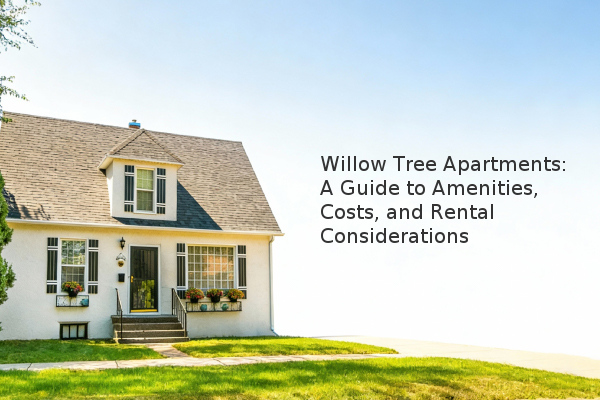
Willow Tree Apartments represent a specific type of residential rental community, often characterized by their name's implied tranquility and mature landscaping. This guide provides an objective overview of what prospective tenants can generally expect, covering typical amenities, financial considerations, and key factors to evaluate before signing a lease.
Choosing an apartment is a significant decision. Based on our experience assessment, the appeal of a community like Willow Tree Apartments often lies in its balance of amenities, location, and cost. The most critical steps involve thoroughly reviewing the lease agreement, understanding all fees, and assessing the property's condition during a walkthrough.
Apartments with names like "Willow Tree" often market themselves as offering a peaceful living environment. Common features may include landscaped grounds, a swimming pool, a fitness center, and a community clubhouse. Many also provide practical amenities like on-site laundry facilities, reserved parking, and in-unit features such as dishwashers and central air conditioning. It is essential to verify which amenities are included in the base rent, as some, like covered parking or additional storage, might carry an extra monthly fee. Always confirm the operational status and maintenance schedule of amenities like pools and gyms during your tour.
The rental cost for a Willow Tree Apartment-style community varies significantly based on its location, square footage, and the local real estate market. For a standard two-bedroom unit, you might encounter a range like the following, though these are illustrative figures that should be verified locally:
| Unit Type | Estimated Monthly Rent Range | Typical Square Footage |
|---|---|---|
| Studio | $1,200 - $1,600 | 500 - 600 sq ft |
| 1-Bedroom | $1,500 - $2,000 | 700 - 850 sq ft |
| 2-Bedroom | $1,800 - $2,400 | 950 - 1,100 sq ft |
Beyond the base rent, budget for utilities (which may or may not be included), a security deposit (often equal to one month's rent), and potential application fees. A good rule of thumb is that your gross monthly income should be at least three times the monthly rent.
A property tour is your opportunity to look beyond the marketing materials. Pay close attention to the actual condition of the unit and the complex. Test appliances, faucets, and light switches. Check water pressure in the shower and inspect for any signs of pests or water damage. Note the noise levels from neighbors and nearby streets, and observe the upkeep of common areas. A well-maintained property is often an indicator of responsive management. Don't hesitate to ask about the property's policy on maintenance requests and average response times.
The lease agreement is a legally binding contract. Before signing, carefully review clauses related to the security deposit return policy, subletting rules, and penalties for early lease termination. Understand the policy on renters insurance—many properties require tenants to carry a policy. Pay specific attention to the automatic renewal clause, which may renew your lease for another term if you don't provide notice within a specified window. Clarifying all financial obligations and rules upfront can prevent disputes later.
Selecting an apartment requires a methodical approach. Key takeaways include: verify all amenities in person, thoroughly inspect the unit beyond surface appearances, scrutinize the lease agreement for all financial and policy details, and ensure the total cost fits comfortably within your budget. This due diligence will help you find a rental that meets your needs and provides a positive living experience.