Browse

Log in / Register
 Share


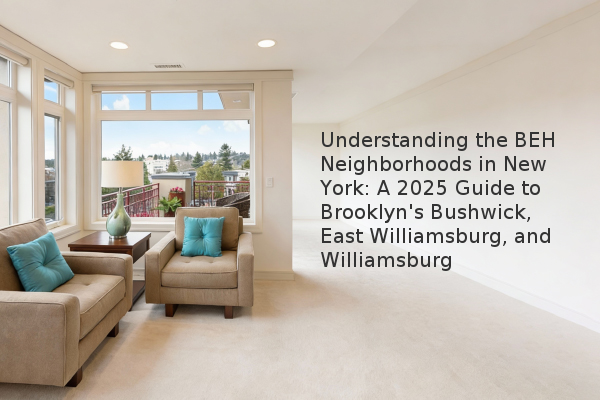
A recent analysis of the U.S. rental market confirms that Seattle has the smallest average apartment size in the country, a trend driven by the city's tech-driven growth and specific development patterns. The average Seattle apartment measures just 711 square feet, which is 171 square feet smaller than the national average and even smaller than units in Manhattan. This urban phenomenon is primarily attributed to a high concentration of one-bedroom units designed for a young, professional demographic that prioritizes location over living space.
According to comprehensive rental data, the typical apartment in Seattle is approximately 711 square feet. For context, this is 20 square feet smaller than the average rental in both Manhattan and Chicago, and significantly below the national average of 882 square feet. This measurement reflects the predominant rental stock, which refers to the total inventory of available units for rent in a specific market. In Seattle, this stock is heavily weighted toward compact one-bedroom layouts, directly influencing the city's low average square footage.
The small average size is not an accident but a result of deliberate urban development strategies. Based on market assessments, two key factors are at play:
Despite the premium often associated with city living, Seattle's compact apartments offer a relatively lower price per square foot compared to other major tech hubs. For example, an apartment in the 601- to 800-square-foot range averages around $1,981 per month in Seattle. In contrast, a similarly sized unit in Manhattan costs nearly double, averaging $3,877. This cost differential makes Seattle an attractive option for renters seeking an urban lifestyle without the extreme financial burden seen in cities like New York or San Francisco.
For individuals considering a move to Seattle, understanding this market dynamic is crucial for setting realistic expectations. Prospective renters should prioritize their must-haves, such as in-unit laundry or outdoor space, as these features may be less common in smaller units. It's also wise to measure large furniture beforehand to ensure it will fit comfortably in a compact layout. Embracing a minimalist approach to possessions can significantly enhance livability in a smaller space.
The prevalence of small apartments in Seattle is a direct reflection of its economic vitality and geographic reality. While the average unit size is the nation's smallest, it offers a balance of urban accessibility and a more attainable cost of living for a specific demographic. Renters can navigate this market successfully by focusing on efficient space utilization and location benefits.