Browse

Log in / Register
 Share

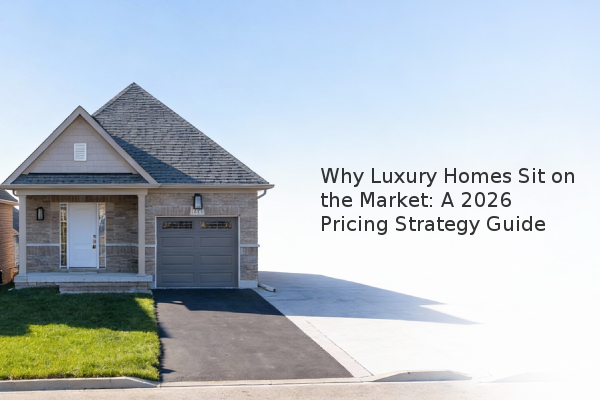
A luxury home's extended time on the market is almost always a result of its initial price failing to align with current market value. Despite desirable features and location, an overpriced listing will deter qualified buyers. Correcting the price to a market-compatible level is the most effective strategy to generate serious interest and secure a sale, as demonstrated by high-profile real estate transactions across the US.
The primary factor is invariably price. In real estate, price positioning—setting a listing price based on objective data rather than subjective sentiment—is critical. When a home is priced above what comparable properties (comps) in the area have recently sold for, it becomes a market outlier. Buyers and their agents are highly informed; they conduct a Comparative Market Analysis (CMA), a professional assessment of similar homes' sold prices, to gauge a property's fair value. An overpriced home is often bypassed, regardless of its unique amenities. Based on our experience assessment, motivation to sell is a key driver for price adjustments, signaling to the market that the seller is serious about engaging with buyers.
A significant price reduction acts as a powerful market correction. It signals that the seller has reassessed the property’s value against current economic conditions, including mortgage lending rates and local inventory levels. This adjustment can reignite interest from buyers who may have previously dismissed the property. For example, a reduction from $5 million to $3.8 million, as seen in a recent Rye, New York, listing, directly addresses the market's valuation and can be framed as a new opportunity. This creates a sense of urgency and value, often leading to increased showings and competitive offers.
| Factor | Impact of Initial Overpricing | Impact of Strategic Price Correction |
|---|---|---|
| Buyer Interest | Low; property is filtered out of search parameters | High; enters new buyer search ranges |
| Time on Market | Drawn out significantly | Often shortened dramatically |
| Final Sale Price | May result in a lower final price after successive cuts | Can lead to competitive offers near the new asking price |
While correct pricing is fundamental, specific features support a higher valuation. These include:
The key is that these features must be balanced against the price point dictated by the overall market. A unique feature may attract a specific buyer, but it will not compensate for a fundamentally mispriced asset.
Re-evaluating a luxury listing requires a disciplined approach. Sellers should work with their agent to conduct a fresh CMA, focusing on homes that have sold within the last three to six months. It's also crucial to factor in current property transfer taxes and other transaction costs that might influence a buyer's decision. The new price should be strategically set, not just a minor adjustment. A substantial, single reduction is typically more effective than a series of small, incremental cuts, as it demonstrates a clear and decisive shift in strategy.
To successfully sell a luxury property that has been on the market, sellers must objectively assess its value, implement a decisive price correction based on current comparable sales, and effectively communicate the property's unique features to justify the new, market-compatible asking price. This strategy maximizes the potential for a timely and satisfactory sale.