Browse

Log in / Register
 Share
Share
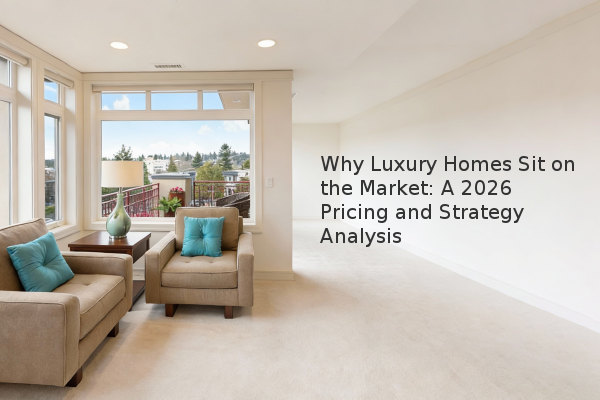
Luxury homes frequently spend significantly more time on the market than typical properties, often due to overly optimistic initial pricing. Homes in the highest price bracket spend a median of 134 days on the market, compared to just 53 days for the average U.S. home. While some sellers can afford to wait for their ideal price, this strategy often leads to lower final sale prices and missed buyer interest. Achieving a successful sale in the high-end real estate market requires a realistic pricing strategy from the outset, backed by comparable sales data and an understanding of current buyer behavior.
The extended market time for luxury homes is not necessarily a sign of undesirable properties but rather a reflection of the market's unique dynamics. Several key factors contribute to this phenomenon. First, fewer comparable sales make it challenging to accurately value unique, high-value properties. Second, high-net-worth buyers are often making discretionary purchases and can afford to be patient, conducting extensive searches. Finally, properties with highly specific layouts, locations, or décor may appeal to a narrower audience. The most common reason, however, remains a listing price that exceeds the property's perceived market value based on our experience assessment.
Listing a home at an aspirational price to "test the market" carries significant financial risks. Data indicates a clear correlation between time on market and the final sale price achieved. According to an analysis of high-end housing markets, homes that spent under 180 days on the market sold for an average of 93% of their initial list price. In contrast, properties lingering for more than 180 days sold for just 77% of the original asking price. Furthermore, the most critical period for attracting serious buyers is the first 30 days. A price perceived as too high can deter potential buyers, who may then assume there is an underlying issue with the property or simply move on to other options.
In certain specific circumstances, a seller may choose to maintain a higher listing price for an extended period. This approach is generally only feasible for sellers who have no pressing need to sell, such as those with no mortgage debt on the property. For example, a seller who uses the property for family gatherings and has manageable annual property taxes may be financially and personally comfortable waiting for a buyer who meets their terms. However, this strategy is a calculated risk. It requires accepting that the property may not sell quickly and requires a seller who is not inconvenienced by ongoing showings and maintenance.
To avoid a prolonged listing period, sellers should adopt a strategy grounded in market reality. The foundation of this is obtaining a professional comparative market analysis (CMA) from a real estate agent. A CMA evaluates recent sales of similar properties in the area to establish a competitive and realistic price point. It is also crucial to prepare the home meticulously for sale, which may involve professional staging and high-quality photography. If a property does not attract offers within the first few weeks, sellers should be prepared to reassess the price promptly rather than allowing the listing to become "stale," which can lead to lowball offers.
The key to a successful luxury home sale is pricing strategically from the start, not after months of market testing. By understanding the unique dynamics of the high-end market and recognizing the financial downsides of an extended listing period, sellers can make informed decisions. A realistic price, supported by solid data and professional presentation, significantly increases the likelihood of a timely and financially favorable transaction.